The travel bug

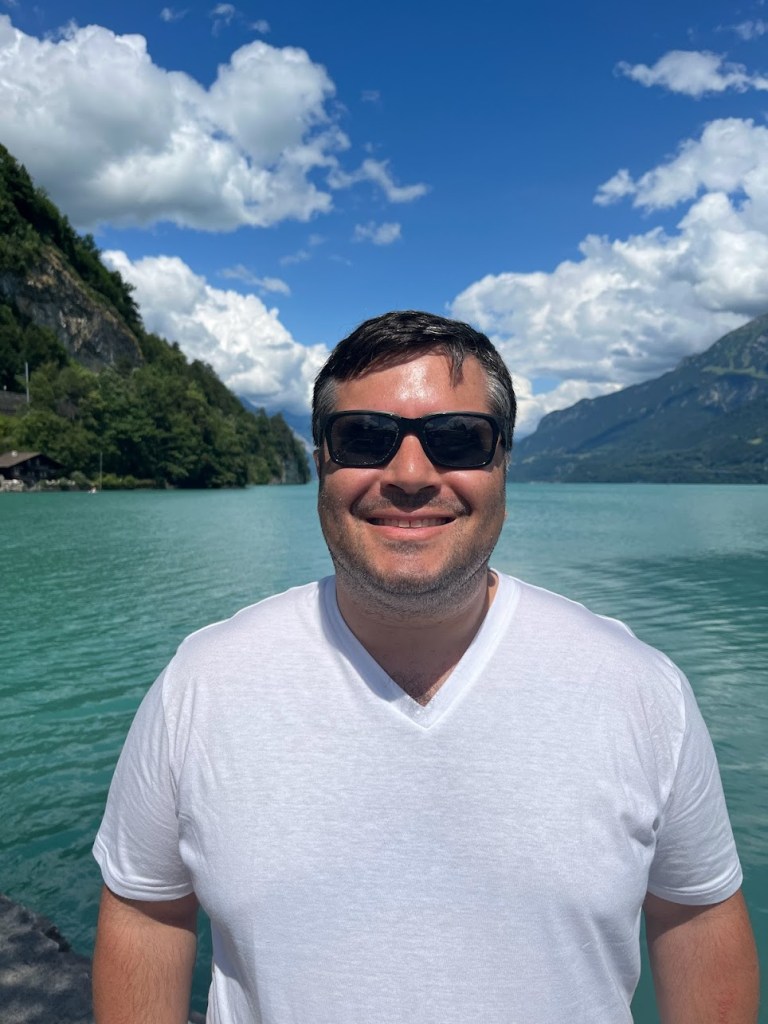
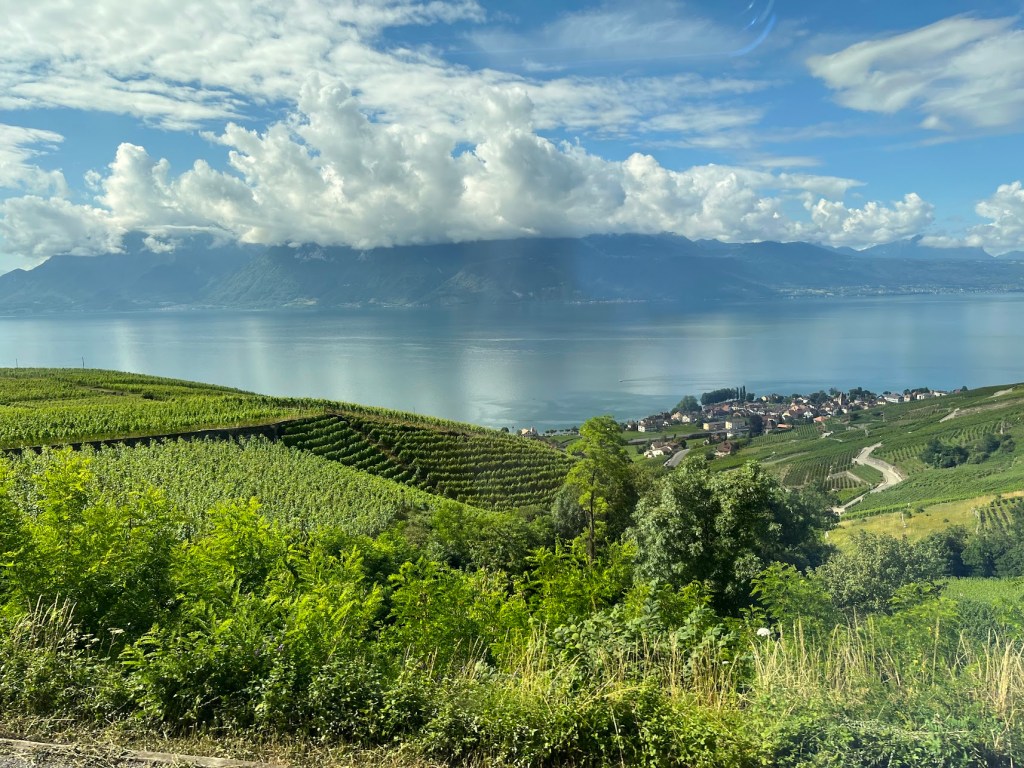
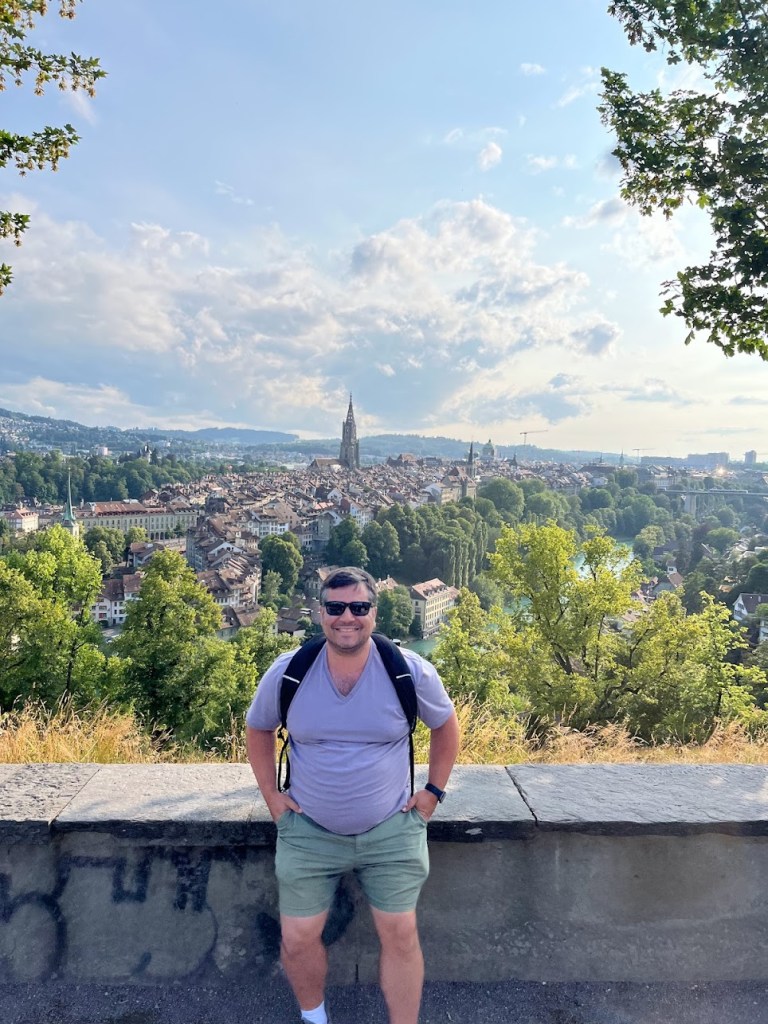
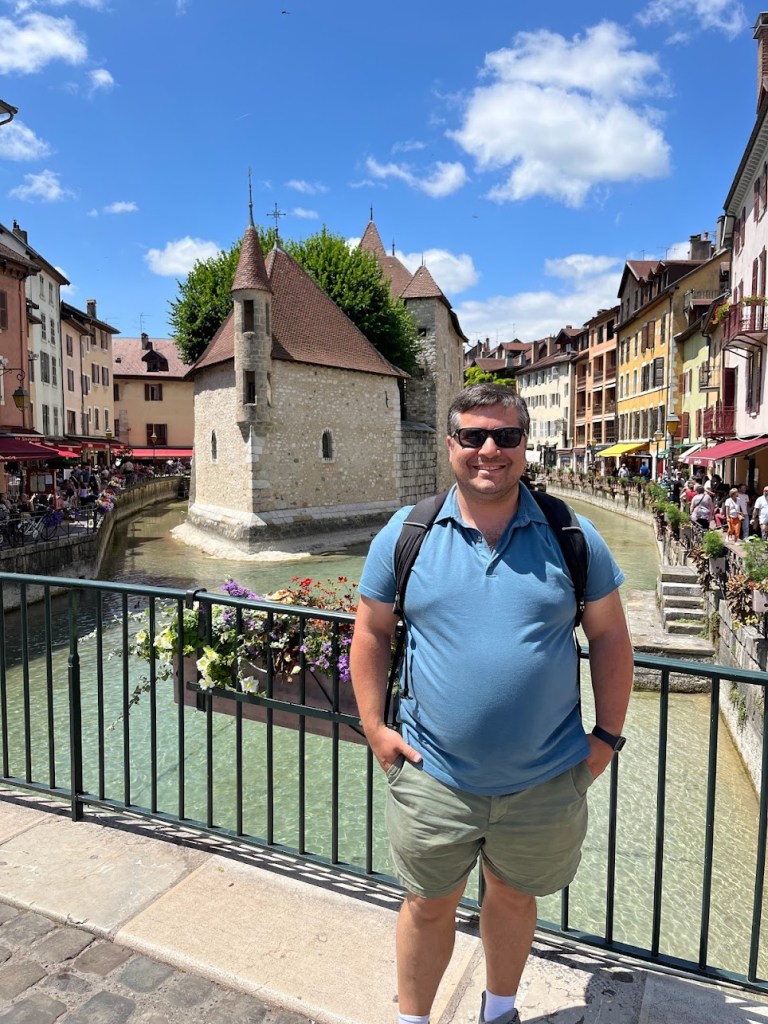
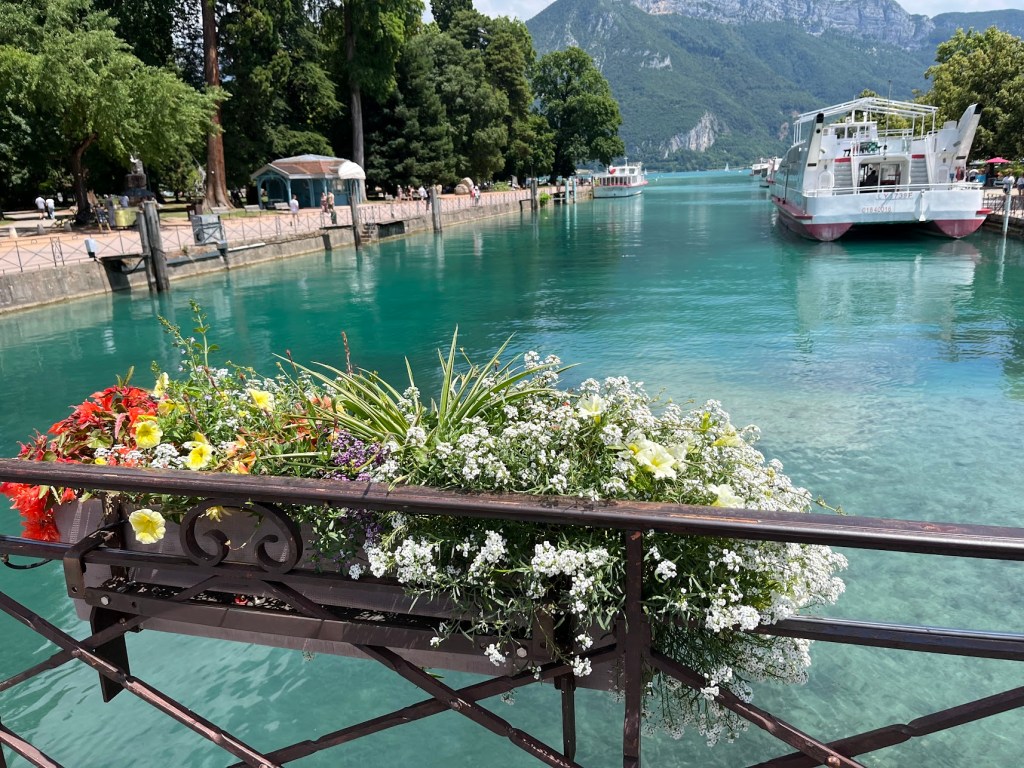
Last Sunday, June 18, I booked a ticket to Switzerland for June 30th. I’ll be, God willing, visiting Switzerland and France for a week and I could not be more excited!! Send me good vibes folks.

Something interesting happened as I told my friends. Those who had met me during the pandemic or while my mom and stepdad were sick with cancer were shocked. Was it the short time frame? The distant travel? The go-with-the-flow spirit of adventure? Or some combination?

The bottom line is all of my friends that I’ve made in the past few years were happy for me, but almost all were surprised. After all, I’ve been grounded since I met them by the circumstances that surrounded me and all they knew was what they saw. Sadness, anger, frustration, and a sense of being “stuck”.

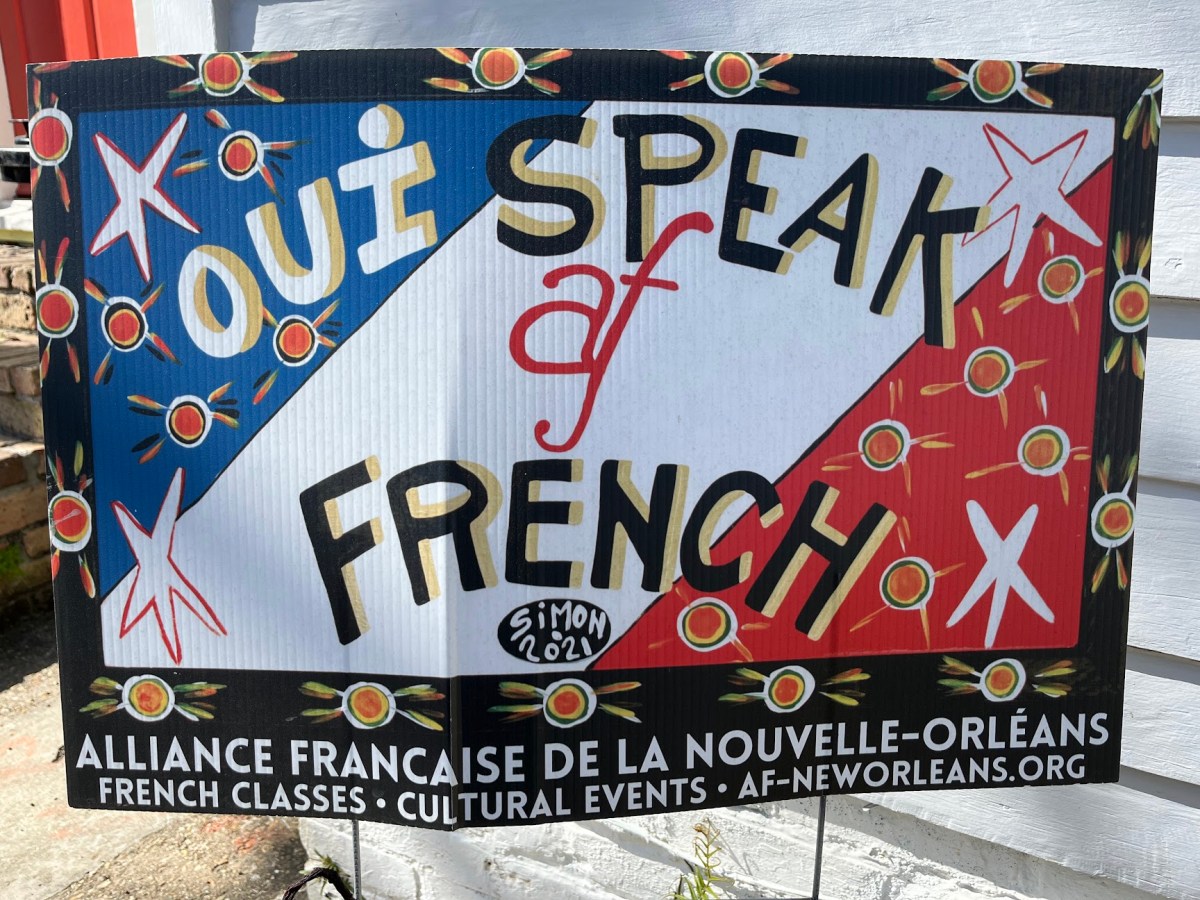
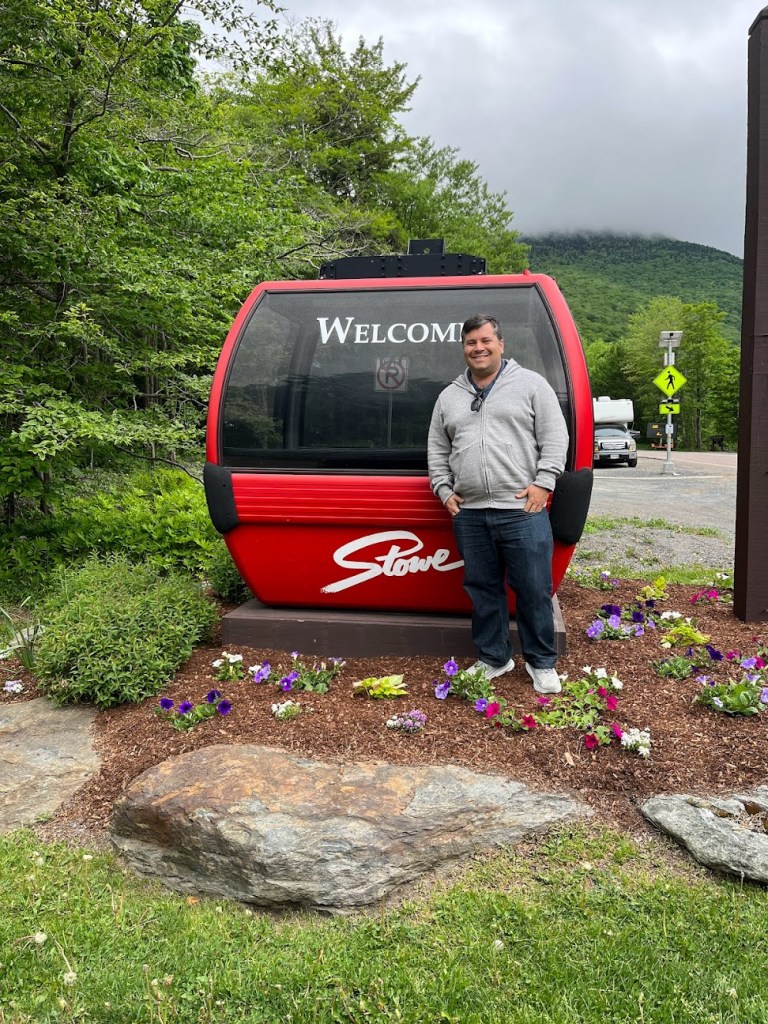
Now of course that’s not all they saw. There were happy moments amidst the chaos. And I did, in fact, travel a decent amount on a smaller scale. Small enough to get home to see my mom if her health went from bad to worse. Since I first got vaccinated, I went to Montreal (twice!), Philadelphia, Charleston (twice!), Savannah, Charlottesville, New Orleans, Richmond, and Vermont. So it wasn’t as if I was stationary. But I can’t deny that Covid, and in particular my mom’s cancer, was always in the back of my head even if I could temporarily feel some relief and healthy distraction.

I’m still experiencing my own hardship as I grieve over my mom’s and stepdad’s deaths and will continue to do so in various forms for a long time. On some level, forever.

And yet, a part of me is coming back to life. Something that would make my parents happy. And is making me feel like I have a new sense of purpose and enjoyment.

I am traveling again.

Again being the key word. When I lived in Israel, I traveled to 120 different municipalities. I visited 10+ European and Middle Eastern countries. I would hop on random buses and see where they took me, plotting out my voyages along the way.

All of which is to say, this is not new for me. It’s only new for folks who’ve met me since I was dealing with the hardship that has been the past few years. I’m excited for them to see this side of me and to get to know me this way. And perhaps to join me on some of my trips – in person or in spirit.

Anne is one of my Zoom Hebrew students. She and her husband live in Massachusetts and met me in Barcelona when I was visiting a Reform synagogue for Shabbat services. She has followed my ups and downs both as a student and a friend for about five years now.

When I told her today that I had just booked a ticket to Switzerland, she was ecstatic. “You’re getting back to the Matt I met,” she said. “The Matt that wanders, that adventures, that explores other cultures. I’m so excited for you!”

I am too. I’m excited to reconnect with this deep sense of self that enjoys seeing the world, talking to new people, reconnecting with old friends in other countries, eating good food, speaking different languages, buying fascinating new books, visiting archives, bathing in the beauty of stunning nature, and finding reasons to hope. To feel optimistic. To find joy in complexity and layers of texture.

That is the Matt who started this blog. That is the Matt who, from a young age, has always dreamed of seeing what’s out there. That is the Matt who learned seven (and a half) languages. And why?

Because I love it. Nothing makes me happier. It is a source of exploration and joy and affirmation and compassion for each other as human beings.

I can’t wait for my next adventure and I look forward to sharing it with you!

The Magic of VerMontréal

This may be one of my favorite vacations ever, so be sure to read all the way through!

When I lived in Israel, I used to travel all the time. It was healing, it was wholesome, it was exciting.

Towards the end of my time in Israel, I was struggling with my mental health and was experiencing transient homelessness as I made my way across Europe, eventually settling in Philadelphia in early 2019. There, I regained my stability and reconnected with my mom and rest of my family.

Coming back to D.C. that fall was hard. I successfully managed to rebuild my relationship with my family and find a great mental health team to give me the strength to live safely as a man with bipolar disorder. And D.C was full of memories, good and bad. It was supposed to be a temporary stop on my way back to Israel.

A few things happened. First of all, my mental health dictated that I needed to really settle down somewhere for a while and get treatment. Second, I needed to strengthen and heal my relationship with my family after being out of touch for several years. And third, the pandemic started months after I came home. Then my mom was diagnosed with Sarcoma, an aggressive form of cancer.

Going back to Israel or traveling for any extended period of time was out of the question. My health and my relationship with my family came first. It was a difficult decision- I missed seeing the rest of the world and exploring. I put my (then) plans for rabbinical school on hold. And I prioritized my mom. Which was the right thing to do. Because three years later, I would lose both her and my stepdad David to the very same type of cancer.
The past few months have been rough. My mom and I spent our last Passover together, she passed away on April 18, and we started packing up my childhood home. I nearly had a manic episode after my last packing day with friends. I have another packing day tomorrow and frankly I’m nervous. But I am doing my best. I am supported by incredible friends and family and a mental health care team that is standing with me every step of the way. Oh, also we went through my first Mother’s Day without mom here and Father’s Day (for my stepdad) is this Sunday. It’s all too much.

Given all this stress, I could have just stayed put. But I decided to do what I do best: travel. Explore. Engage other cultures. Immerse myself in nature.

For the first time in five years, I took a 10-day vacation. And it was worth every moment.

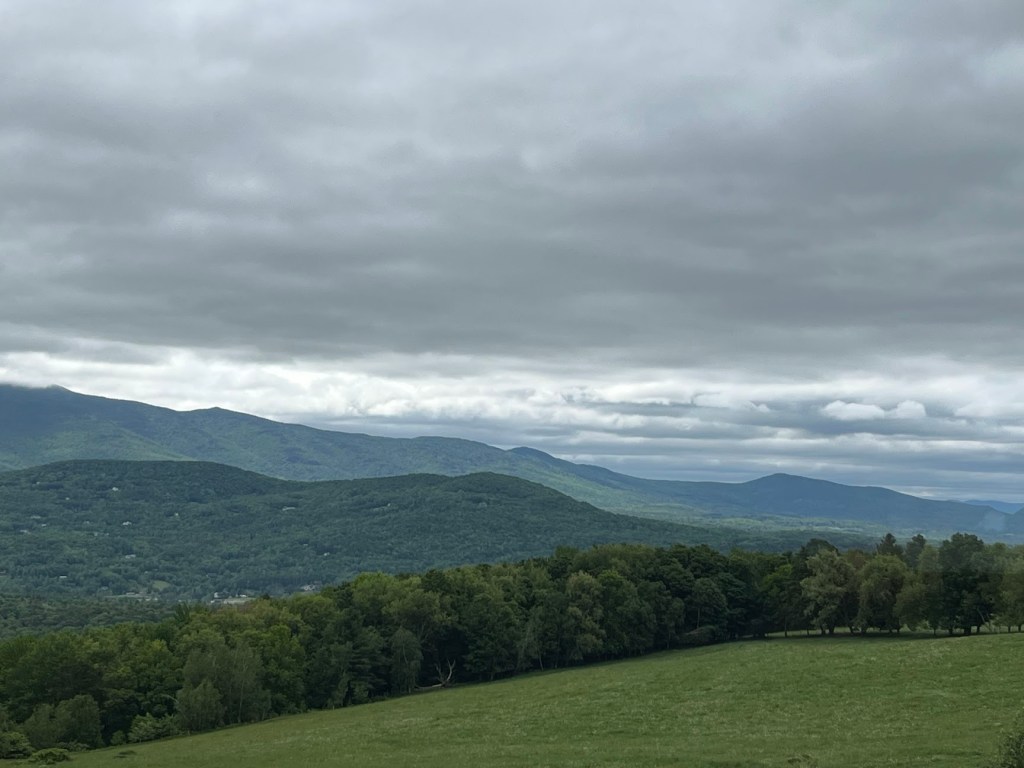
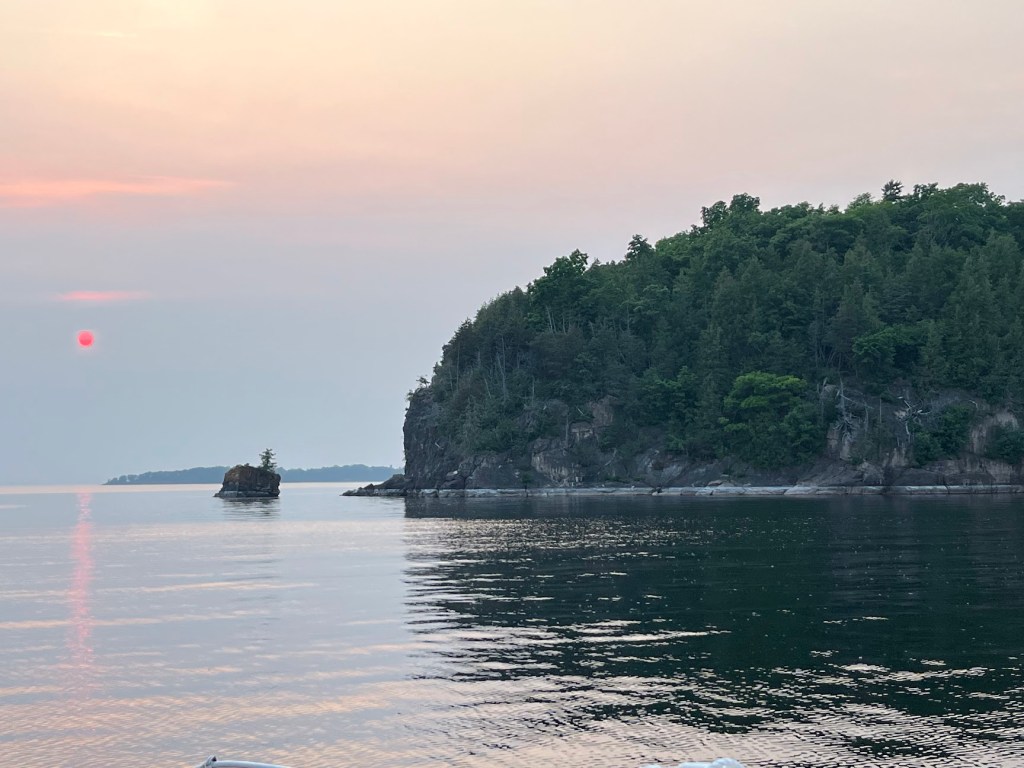
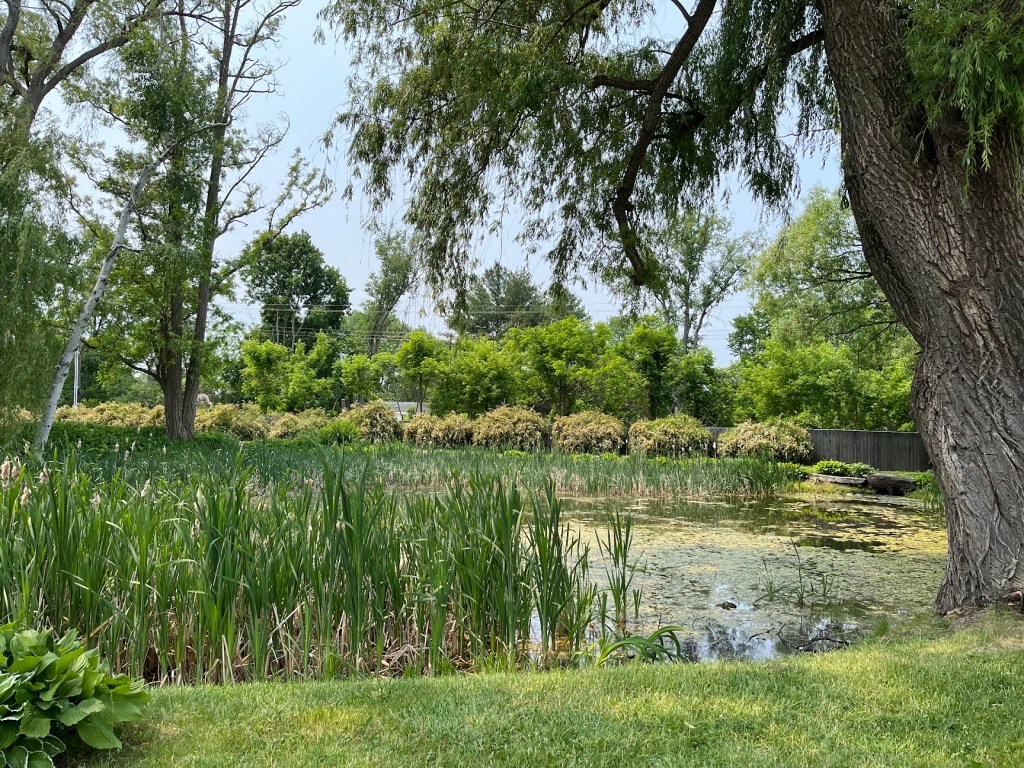
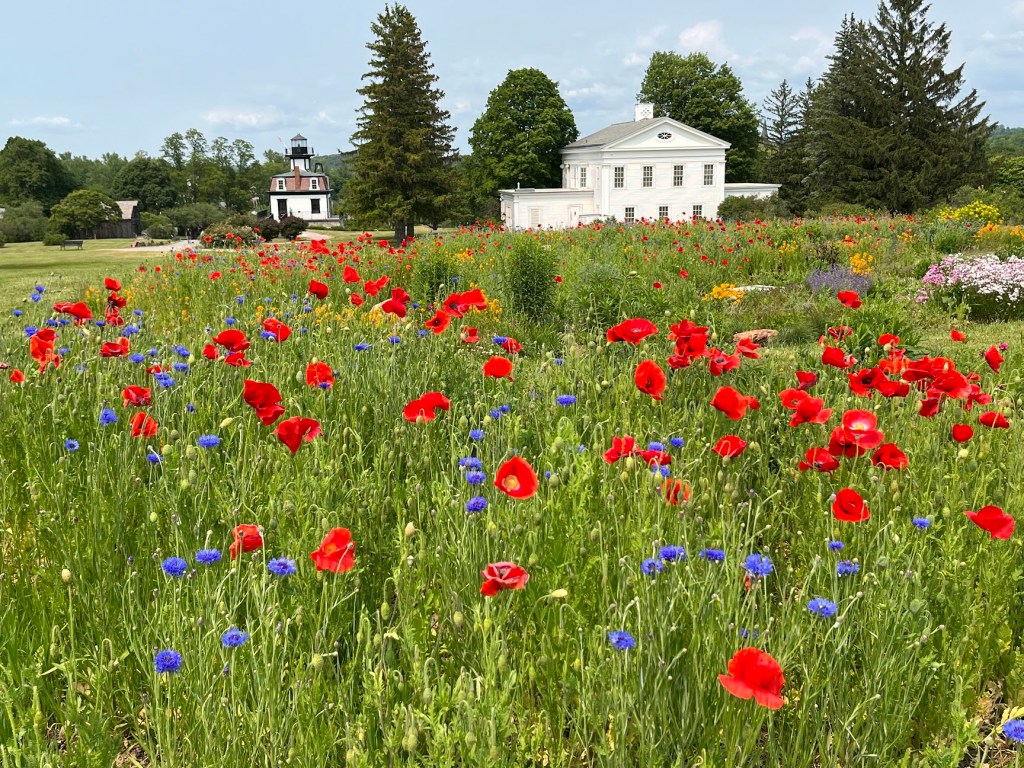
I started in Vermont. For those of you who haven’t been to this tiny little state, it is absolutely gorgeous. Take in some of the scenery:

I felt healed by all the green and nature around me. I hiked for the first time in many years and went sailing on Lake Champlain with a wonderful group of people. I met up with my friend Neale’s sister Catherine (mom loves Neale!) in Burlington, one of the cutest cities I’ve ever visited.

I feel incredibly lucky that this cute little green paradise is just an hour and half direct flight away from D.C. It took a little time to get adjusted to being on vacation and putting a pause on some of my worries, but once I did, I felt better than I have in years. No pandemic, no parents’ cancer looming over my head, just vacation and travel.

In Vermont, I took a maple syrup tour, met a Von Trapp, and took an urban forest tour with a quirky (and smart!) guy who told me he once climbed a tree and found underwear in it! I met tons of friendly people, including my cab driver Joe from Long Island, who helped me get around rural Vermont.

Then, it was time to cross the border. I took a cab from Vermont to Montreal, one of my favorite cities. I was there last summer on my first solo trip there, and had been twice before with other groups of people. I stayed at my favorite AirBnB and had a blast catching up with the host. I may even go back later this summer because I had so much fun!

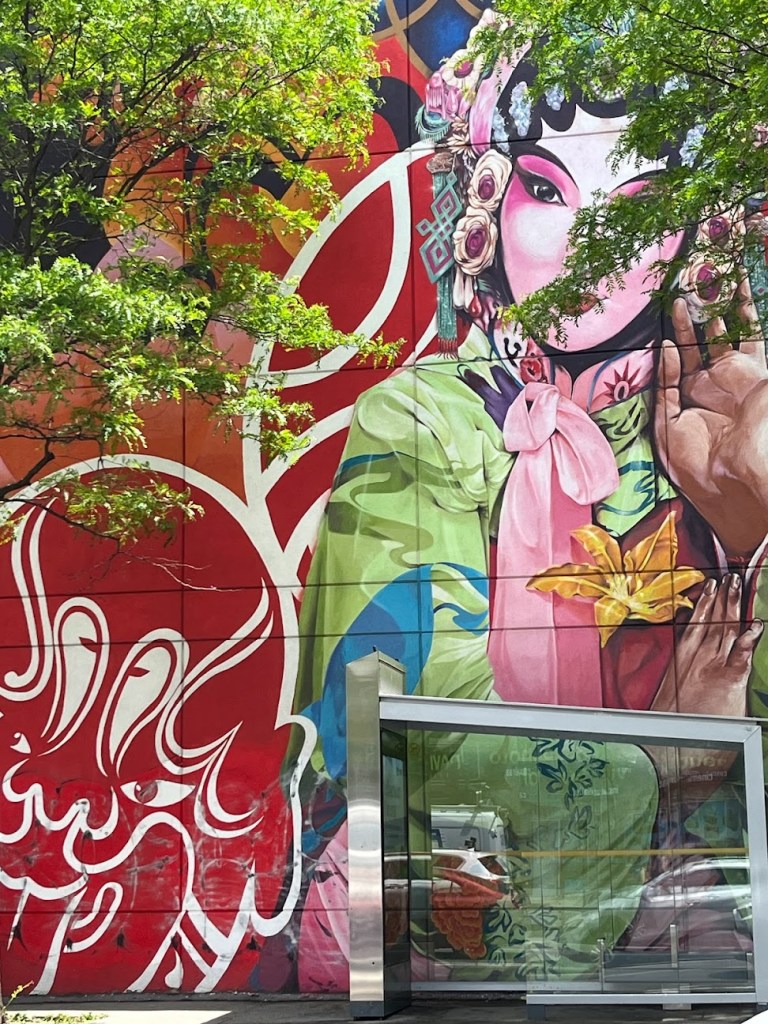
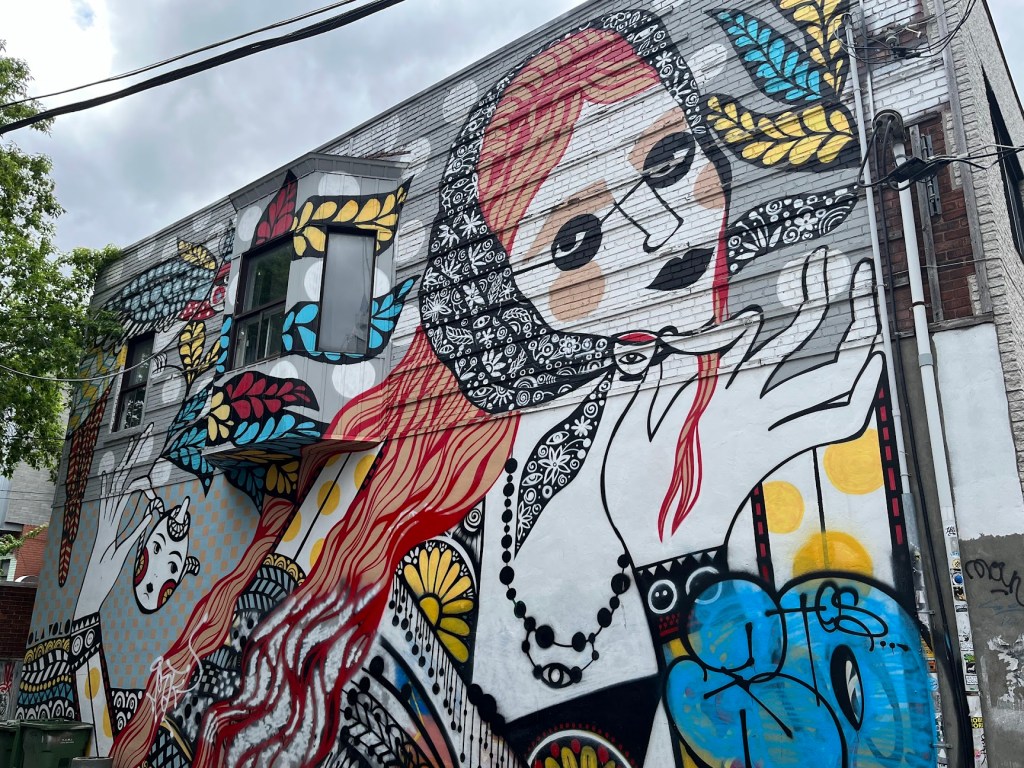
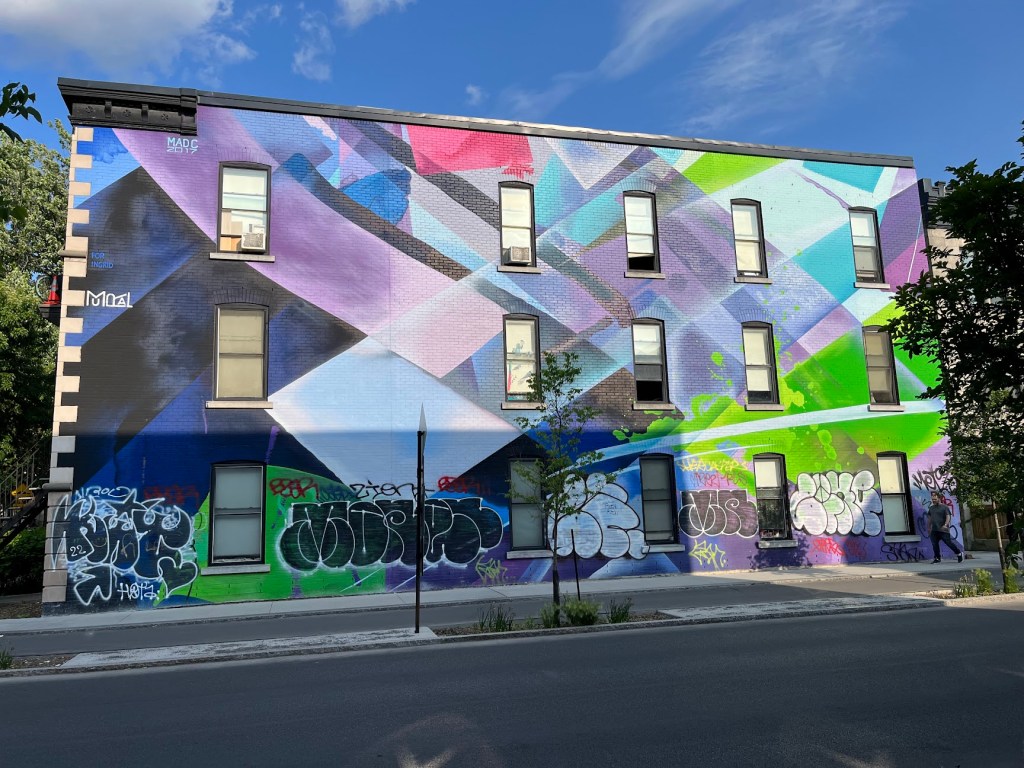
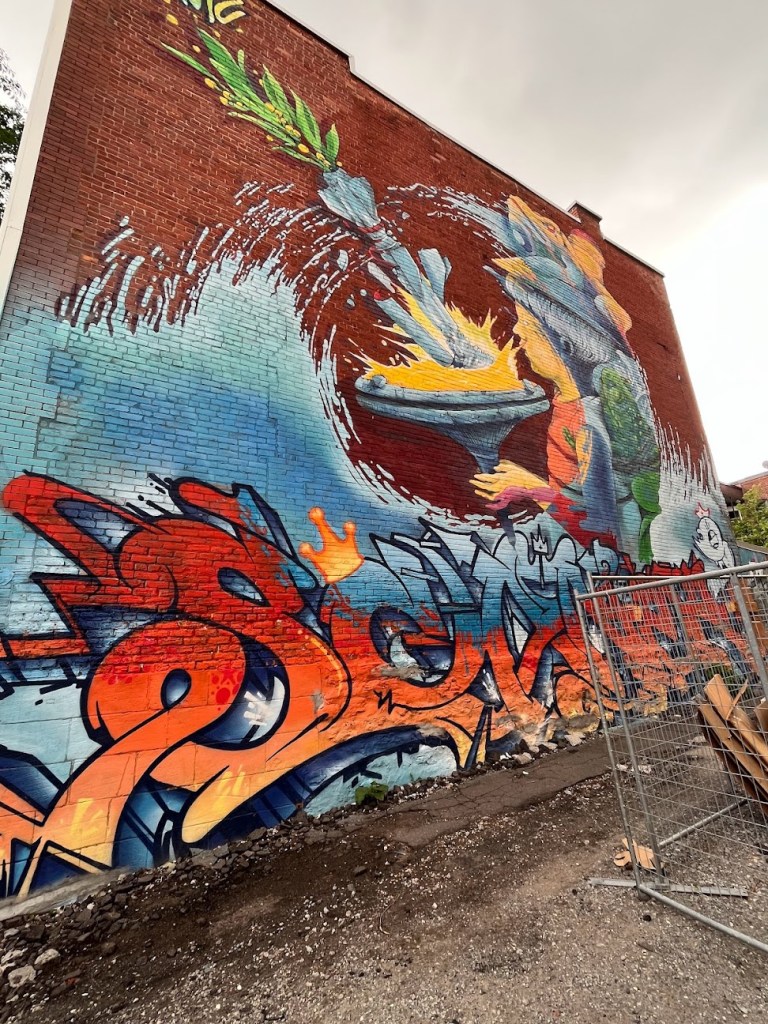
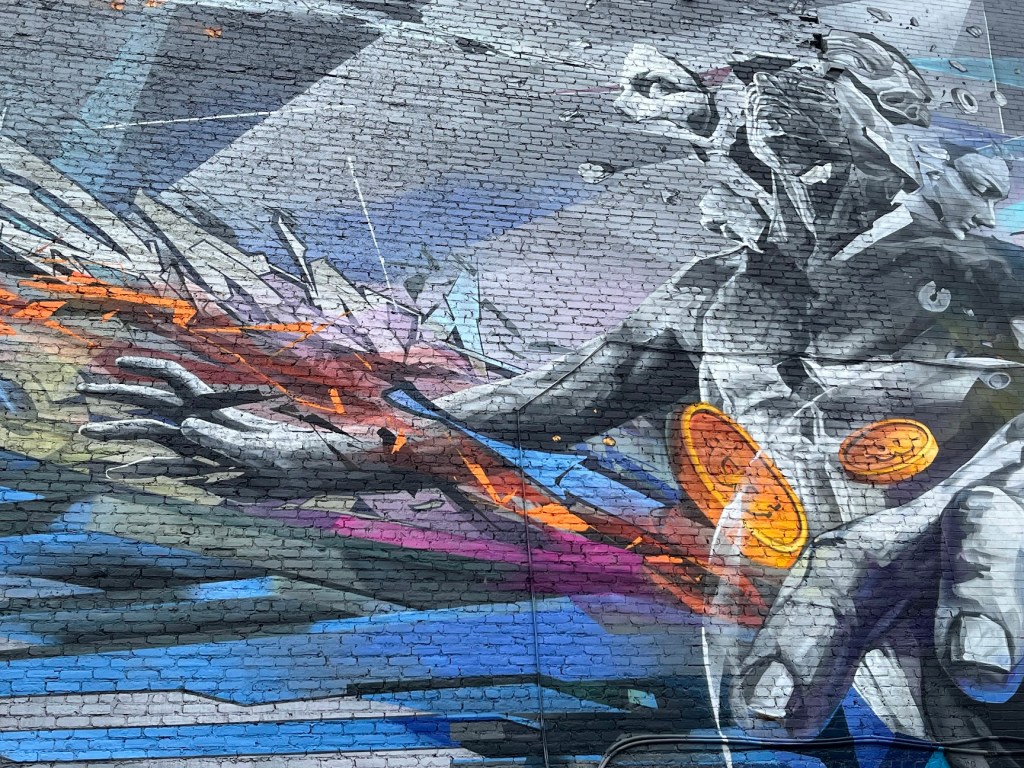
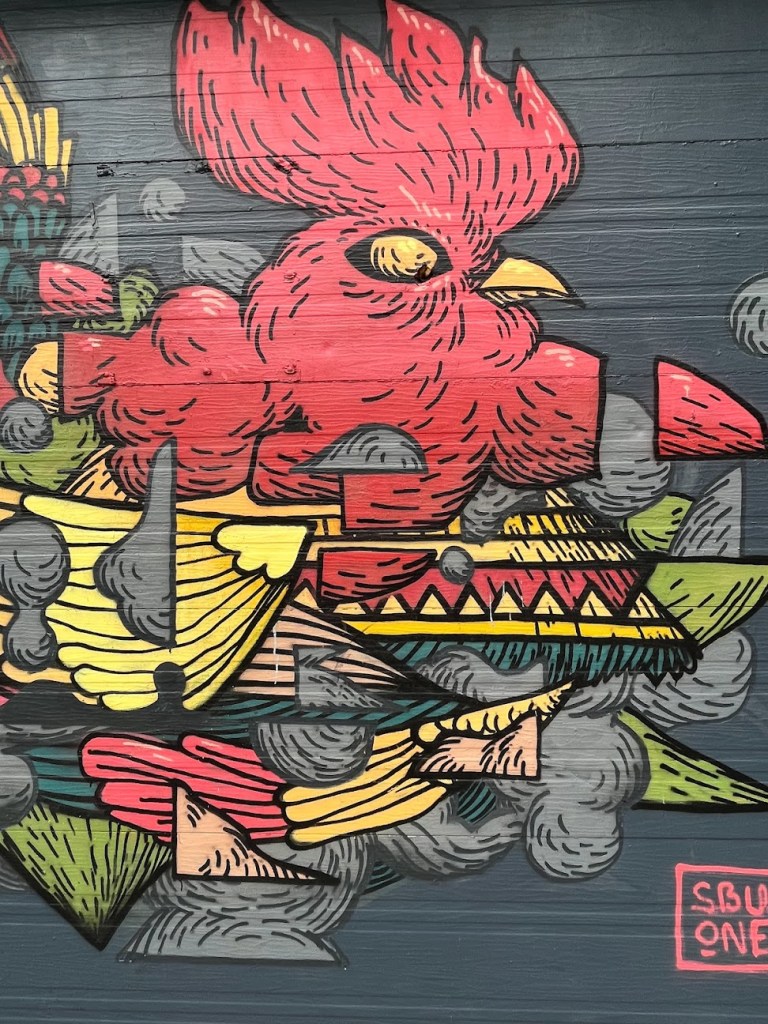
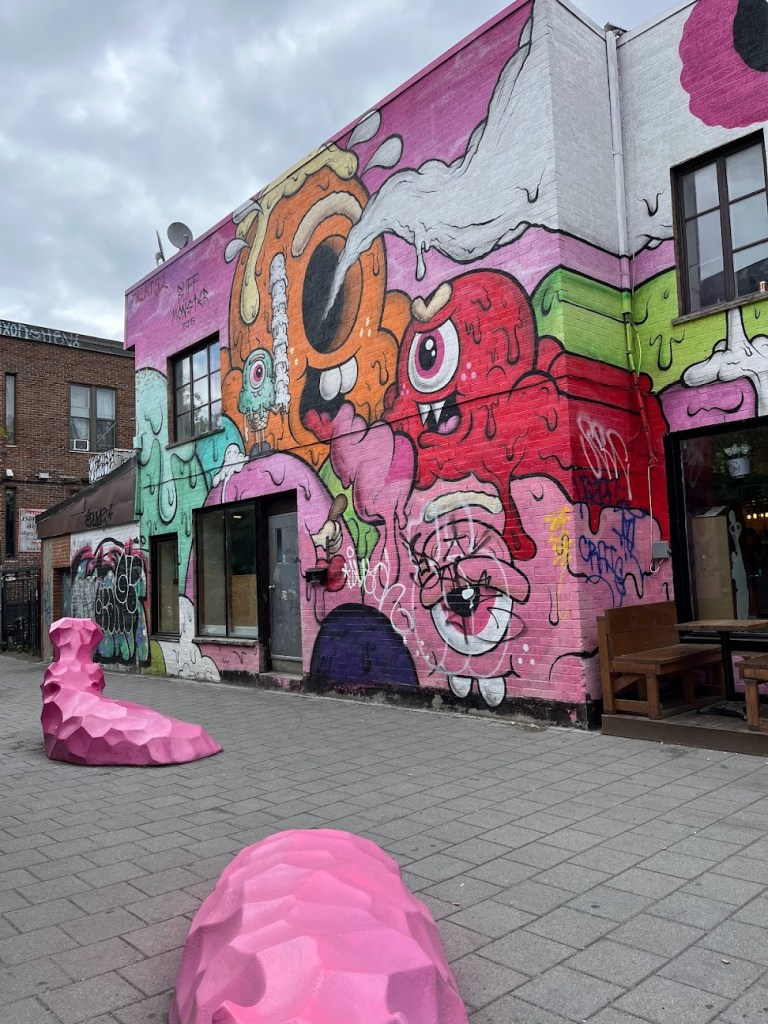
While earlier in my trip I had been calling friends because I was feeling lonely, by the time I was in Montreal, I was feeling great. It’s such an energizing and creative city. Look at some of the cool murals:

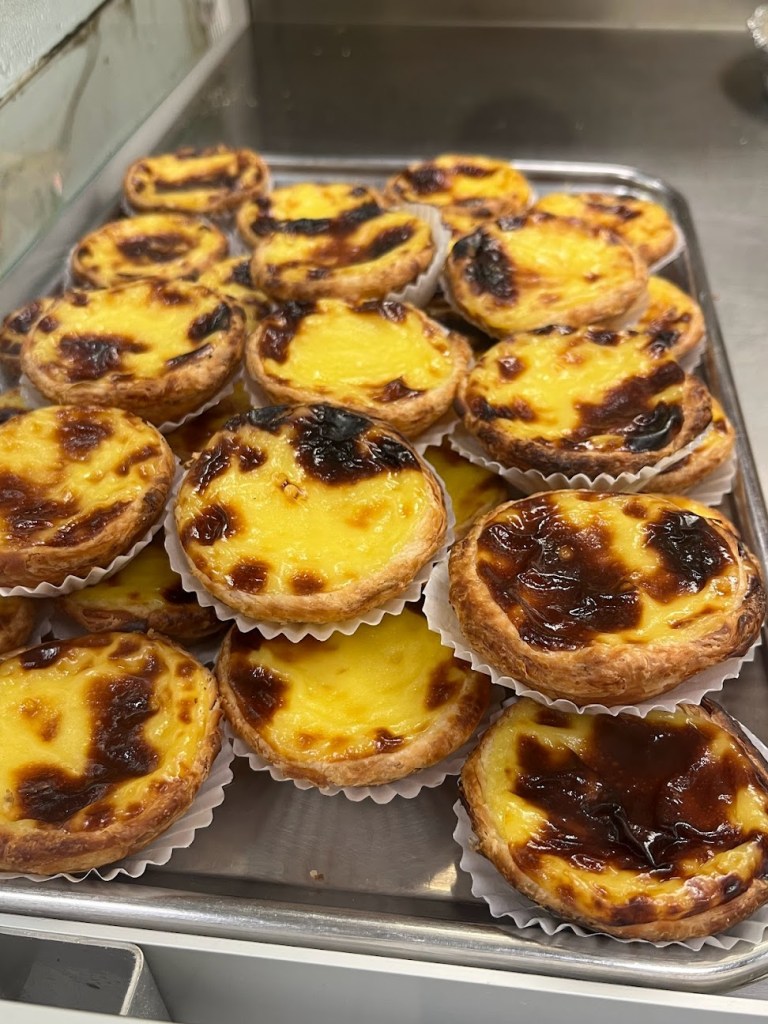
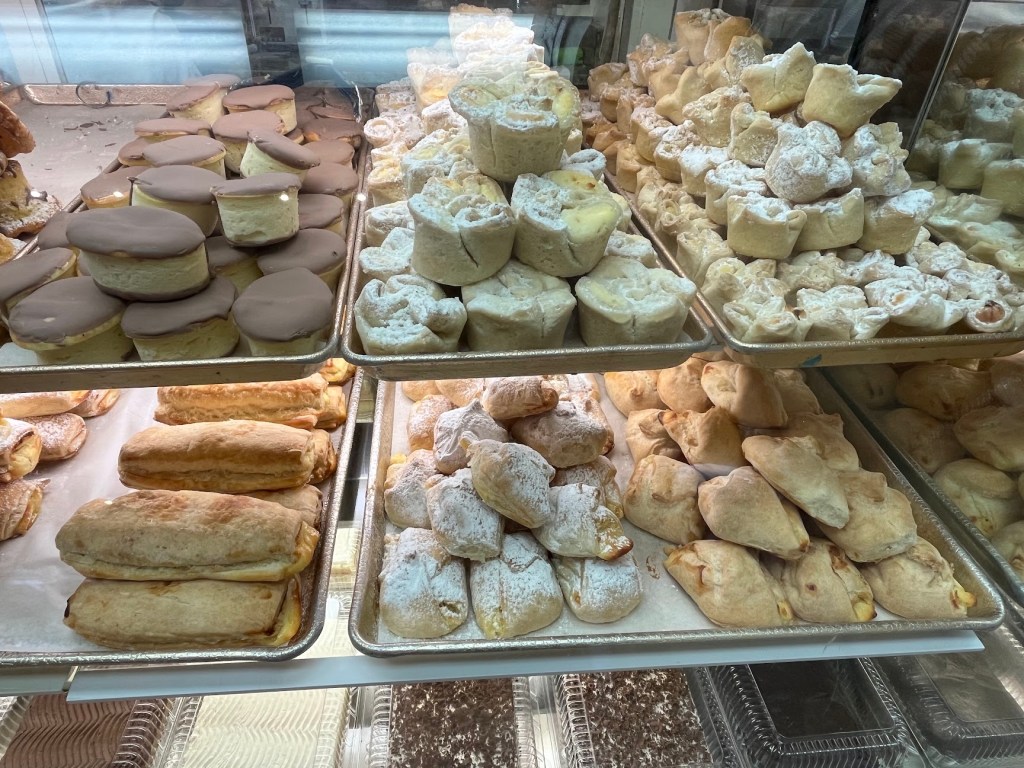
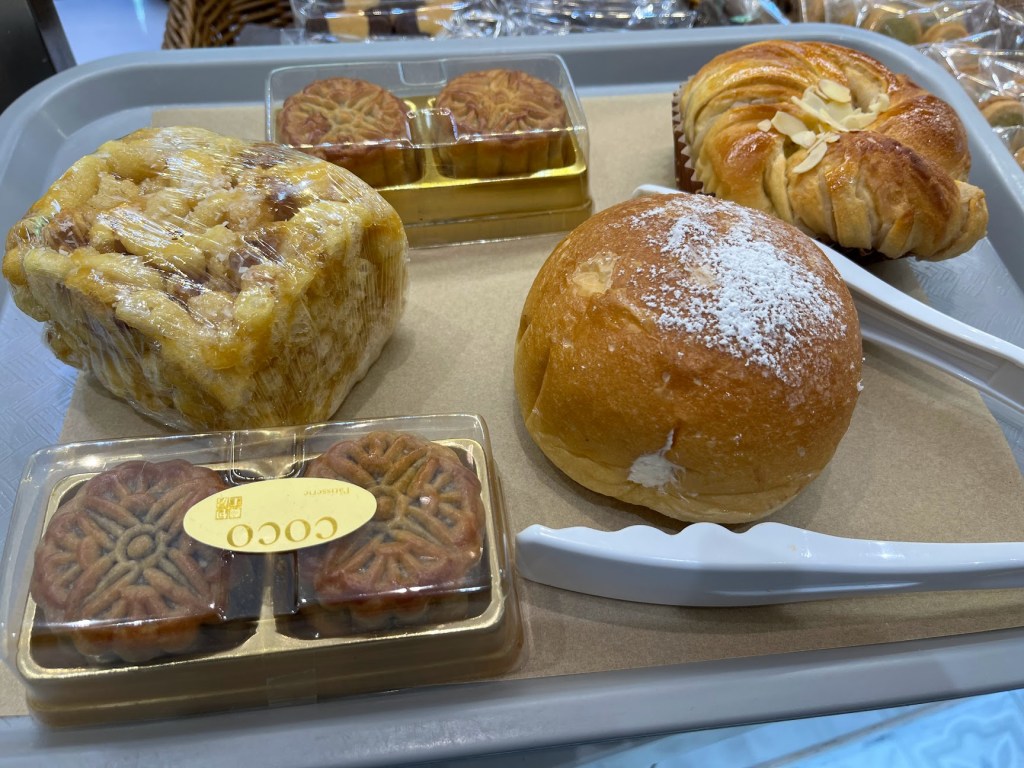
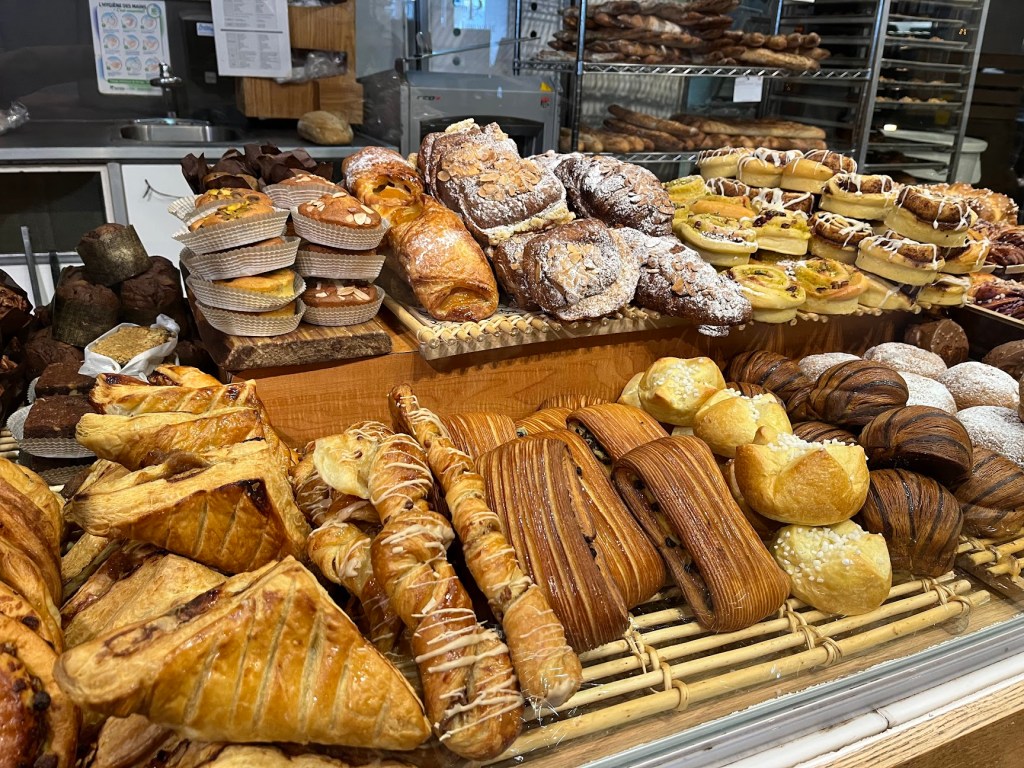
It’s not only the beautiful street art that makes this city special. It’s also the amazing food and diverse cultures. Take a look at some of the Hasidic Jewish, Chinese, Portuguese, French, and Italian pastries I had:

Over the course of just five nights, I spoke English, French, Spanish, Arabic, Hebrew, and Portuguese! And in the past, I’ve even gotten the chance to speak Yiddish and Catalan! That’s all of my languages in one beautiful city.

I got the chance to take a “Rabbis and Radicals” Jewish history tour of the city with the Museum of Jewish Montreal. My guide, Claire, was a fellow queer Jew who had lived in Israel just like me. It made the experience extra special and I highly recommend the museum’s walking tours for anyone visiting the city.

At the end of my trip, I got to add music to the mix. I saw Isabelle Boulay, one of Quebec’s premier singers and a Franco-Country star. I love this kind of music. It was inspiring. My mom raised me to love music. It always infused our house. Sometimes our tastes overlapped, other times they diverged. But we always loved a good tune together. And she would support me even when my tastes were different.

I could go on and on about the magic of Montreal and Vermont- or as I like to call this space only 1.5 hours apart, VerMontréal. It is a place filled with greenery, with culture, with history, with friendly people. I will be back.

My journey has evolved over the past few years. You never know where life – or death – will take you. But the only thing you can be certain of is that if you don’t “go for it” now, you’ll regret it later. Book the ticket, dip into your savings. You can’t take money to the grave. But you can live a fun, meaningful, thoughtful, and creative life. And give back to others.

To all the Uber drivers, cab drivers, AirBnB hosts, hotel employees, sailboat captains, forest tour guides, and others who made my trip so special – thank you.

And to my mom, I miss you every day. And I will continue to live my life to the fullest and most meaningful way possible in honor of how you taught me to live.

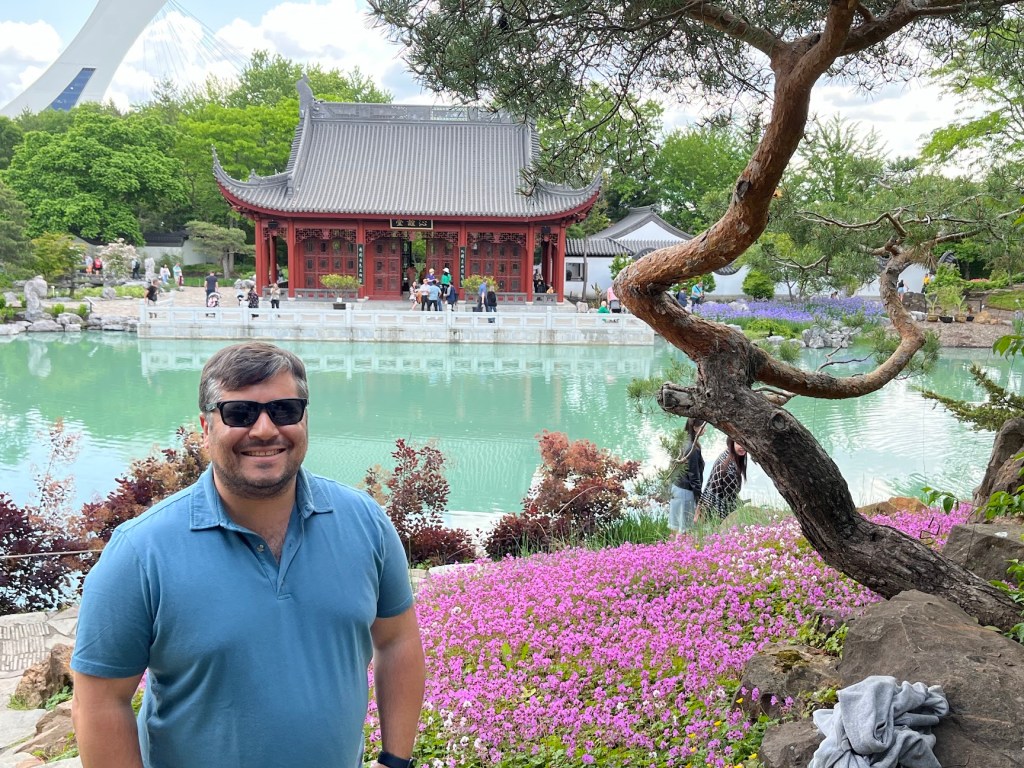
With that, I’ll leave you with some beautiful pictures of the Montreal Botanical Garden. My mom and stepdad loved plants and flowers, and I hope they enjoy seeing some of the beautiful ones I got to enjoy on my trip. I love you guys.

Packing up home

My mom z”l passed away on Tuesday April 18th, 2023. This past Sunday, about 10-15 very dear friends of mine came over to help pack things up. The only consolation on a very, very difficult day was the presence of these kind individuals, helping me sort through three and a half decades of our family life.

In fact, their presence so radiated throughout the house that had known so many wonderful family memories that it temporarily obscured the pain I was experiencing. While I found a moment to cry in my mom’s old bedroom, most of the time I actually felt reasonably good. But that’s the nature of trauma. It comes in waves. It ebbs and flows. And can sometimes hit you when you least expect it.

Some of my friends in their 20s and 30s have lost parents, though fortunately most have not. Of those who did, very few have experienced what I did this past weekend because usually there is a second parent to help with managing the deceased parent’s belongings, medical bills, and house.

Several friends have asked if I have anyone to help me. And to a degree I do- I have several relatives and family friends who’ve stepped up to help out. And I have a top-notch group of close friends who’ve time and again gone out of their way to help me.

But here’s what people need to understand: some things only I can do. My friends and family can’t decide whether to keep my childhood books, my stuffed Ernie that my mom repaired countless times as his dangling cotton-filled arm repeatedly threatened to dismember, my mom’s mosaics, my high school yearbooks, my mom’s records, or my family photos from Japan.

My friends and family can’t sign legal or financial documents, or do something as dark but necessary as designating my *own* beneficiaries.

What my friends and family can do – and some of them really have been doing – is to provide unconditional love. To go out of their way and make spending time together a priority. To be a phone call away. To help pack up my mom’s house. To check in on me.

To those people who’ve been making me feel loved – thank you. Nothing can replace the love of a mother, but the kindness of a friend goes a long way to soothing my soul during this difficult time.

Touching the objects of my childhood was not easy. Some of them reminded me of my loving mom, some of my toxic father, and some of myself as a young boy. That child-like part of myself that I had tucked away for years, hadn’t thought of in what seemed like millennia. At times it made me smile. And at times, it made me want to cry.

Where have the years gone? How I can honor my memories of my mom, of my step-dad, of myself? Where is the justice in buying two parents within 5 months of each other? How do I give up my childhood home so soon after?

These are all impossible questions to answer. But the only question that haunts me from morning to night – and sometimes in the middle of the night – is a simple one: “Where’s my mom?”

There are many answers to this question, both literal and metaphorical. And while I know I carry a part of her with me wherever I go, the answer to my question of “where’s my mom?” is “not here, not again in the flesh.”

Nothing put this answer into such stark contrast as packing up her belongings and my childhood home that we shared together since I was three years old. Because as those belongings cross the threshold and depart that house in the coming months, it’ll hit me with greater force. My mom is gone.

Mourning is a process. My period of shloshim is over. I continue to recite the mourner’s kaddish each night for my mom’s soul. And each night I have a little conversation with her – I do believe she’s in touch with me. And it doesn’t make it any easier to not be able to call or see her here.

To the people here in this world who are accompanying me on this journey: thank you. I can’t put into words what comfort it is to be able to rely on you. My mom taught me relationships, not things, are what matter. So I’ll take this message to heart. The things we packed were important, but the most important thing from last Sunday can’t fit in a box, and that is your love.

Miss you momma.

Every blade of grass has its own song

The past few weeks have been a whirlwind. With my mom’s passing on April 18th and the funeral and the shiva, not to mention the several years of ups and downs with the cancer treatment, I am completely and utterly exhausted. It’s 11:19pm on a Sunday and the quiet has set in. After a day, indeed a weekend, of seeing great friends, I felt boosted and even happy at times. It is only when the quiet sets in that my anxiety spikes and the sadness, more than anything else, comes to fruition.

I find myself doing what I know how to do to process my feelings, which is to write. When I lived in Israel, I started this blog as a way to keep in touch with my friends back home. And now I continue it as a way to keep in touch with my mom.

Mourning has been an uneven process, as I’ve been told to expect by clergy and family and friends. It comes in waves. I was lucky enough for my mom to make me a video and several audio clips when she was aware of her impending passing but alive enough to record something for me. In the clips that I’ve heard so far, she envisions a beautiful future for me. And encourages me to pursue it in her honor. I bawl every time I watch her. What an incredible gift that she gave me. And what an incredible robbery that she won’t be able to be there for my life milestones going forward.

At my mom’s funeral, I requested that the cantor learn to play one of my favorite Jewish songs, “Shirat Ha’asavim” – the song of the grasses. In this adaptation of the mystical Rabbi Nachman of Breslav’s words, Naomi Shemer sings that “every blade of grass has its own song”. When I lived in Israel, when I was out of touch with my family in part due to my own mental health issues, I would yearn for a way to reconnect. And I would sing this song in the fields of the holiest of lands. It sustained me and got me to where I am today. Just like my mom.

A few months ago, when we knew my mom was going to pass away, my mom and I met with one of our family’s rabbis (we’re lucky to have several!). I wanted to give my mom the chance to talk about how she envisioned being honored. It was a difficult and at times surreal conversation to have, but one that was important. It came to me that when the rabbi asked what if anything I would like in the service, that I wanted to include this beautiful song. It brought things full circle. Even when I was out of touch with family, I could feel a spiritual presence looking over me. A presence I still feel with me at times even though my mom has departed this earth. I believe my mom’s presence continues to guard over me and look after my well-being at a time when I sorely need it.

And for those needs she can’t take care of, I’m lucky enough to have an entire cadre of amazing friends who have stepped up to grieve with me, to cook for me, to care for me. Just like my mom would’ve wanted.

So mom, I can’t help but cry when I think of you. But know that it just means I love and loved you very much. And you always taught me it’s OK for boys to cry.

Not a day goes by without me thinking of you and trying to live my life in a way that would make you proud.

Thank you for always having my back, even when sometimes I didn’t know I needed it.

Sometimes the burden feels too heavy to carry. I will do everything I can to move forward, but won’t be afraid to ask for help when I need it. I hope you and David, my stepdad, are OK. And while it is probably going to be a long time before I join you all, I can’t wait to see you again. In the meantime, I’ll try to surround myself with people who help me “be my best me” as you would say.

It’ll be OK. It’s OK to not be OK. As you would say. I miss you. The only way forward is through – one step at a time. Love you mom.

Our last Passover together

Tonight was my last Passover with my mom. She is in hospice and her cancer is very far advanced in her body.

A number of people came by to visit my mom, including our synagogue’s rabbi who dropped off some Seder plate ingredients. He told me he forgot to provide a plate- I told him not to worry. I joked with my mom that we’re “substance over style” people. We care much more about what’s on the plate than what the plate looks like. That we care much more about what a person is made of than how put together they appear to be. Our house has always been “come as you are”.

Back in the day when my mom was physically able to, she would host the most amazing seders. All my friends would be welcome, no matter what their religion was. We typically would have at least all three Abrahamic religions represented each year.

The food was amazing. I LOVE Passover. It’s my mom’s and my favorite holiday. And it’s my religious Hebrew name – Pesach. We would sing, we’d do an abbreviated version of the Haggadah. We’d laugh. We’d have a ball.

Even despite having to eat unleavened bread for a week (and yes, getting tired of it!), we’d never get tired of the holiday spirit.

This year, my mom and I celebrated Passover while she sat in a hospital bed. We didn’t have our usual accoutrements – we didn’t use a seder plate. But we did laugh. We sang. We cried – boy did we cry.

I asked my mom if it was okay if I wrote about her being in hospice. And she said: “there’s nothing to hide”. With her typical bravery, she is facing this absolutely awful situation with incredible bravery and honesty. I decided to make public a previous blog I wrote about her. And I decided to write this one.

Because I want people to know how much I love my mom. How much she has made my life a better one. How sad I’ll be when she’s no longer here with me physically. How many moments in the future I wish I could share with her. And can’t.

Which leads me to God. After all, tonight wasn’t a typical visit to my mom. It’s a holiday. Our favorite one. God- I have no idea if you act in the universe, if you exist, if you care what’s going on with my family. You at best work in the most mysterious of ways.

The only thing I can say is that I believe that my relationship with my mom will not end on the day she passes away from this world. Whether it’s a walk on the C&O Canal – especially our favorite Great Falls, or hearing someone tell a corny elephant joke, or when I connect to the Judaism we both love so much – I will feel my mom’s presence. And I won’t feel as lonely.

That’s the only way forward. I don’t believe in God because God is merciful or compassionate or kind. At the moment, I don’t think they’re much of any of those things. But I believe in some spiritual force because I must. Because a life without a connection to my mom is too much to bear. And I will collapse.

In the Passover haggadah, we read “mah nishtanah halaylah hazeh mikol haleylot?” “What makes this night different from all other nights?”

It’s different because it’s the last Passover I’ll spend with my mom.

A Haggadah of Hope

It’s not hard to be disenchanted with Israeli politics these days. While most of the world has been focused on Benjamin Netanyahu’s anti-democratic “judicial reform”, his same government has also been engaging in racist incitement and encouraging violence against Palestinians. The pogrom in Huwara is only possible because of a government that cares nothing for the lives of its Palestinian neighbors and who views its own Arab citizens as a threat. With a new militia promised to radical racist cabinet member Itamar Ben-Gvir, we may only be steps away from even more confrontation and death.

In such dark moments, we must not find the light – we must be it. For me, that means digging through my books. It means finding some knowledge, some history, some inspiration for how we can overcome such horrible things.

I found just the book!

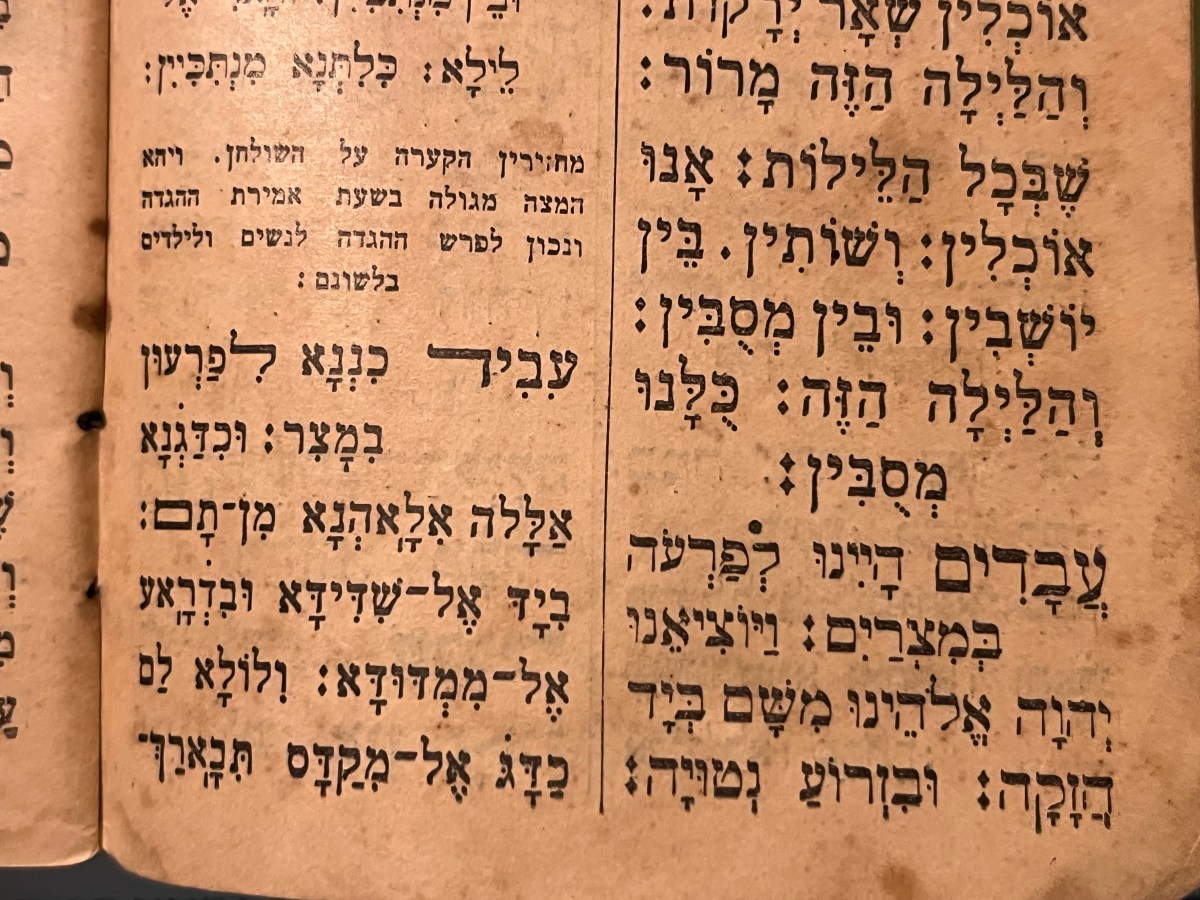
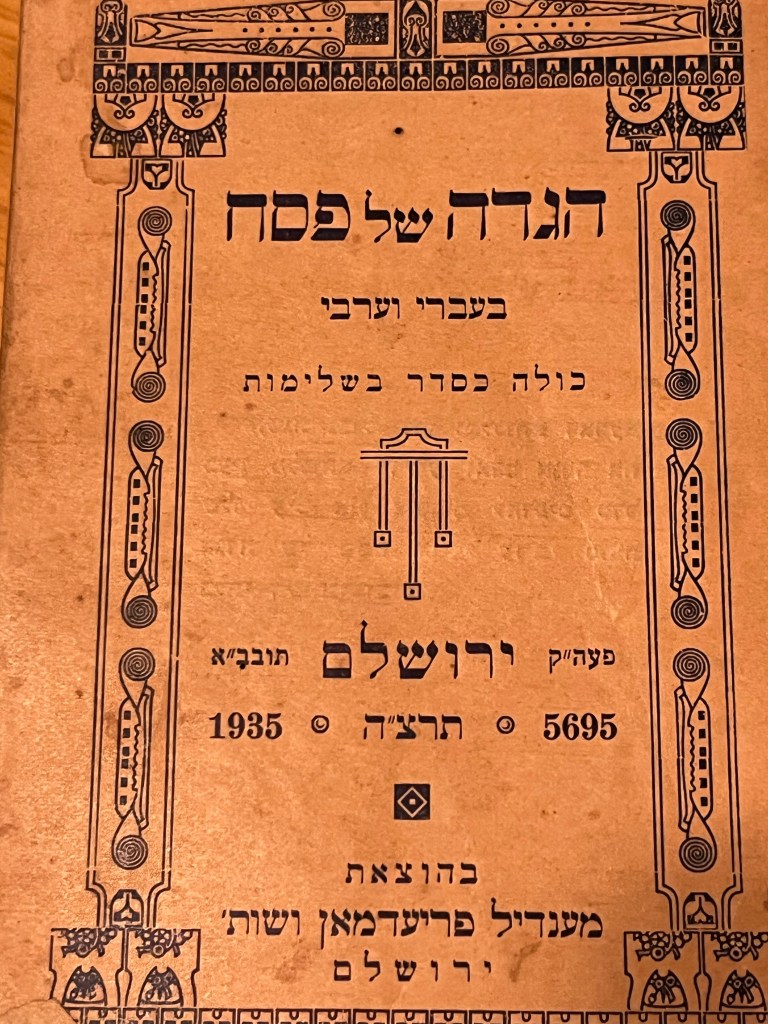
Digging through my bookshelves, I found a 1935 Haggadah, or Passover prayer book, from Jerusalem. But it was not any old Haggadah, it was a bilingual Hebrew-Arabic book – with the Arabic written in Hebrew characters.

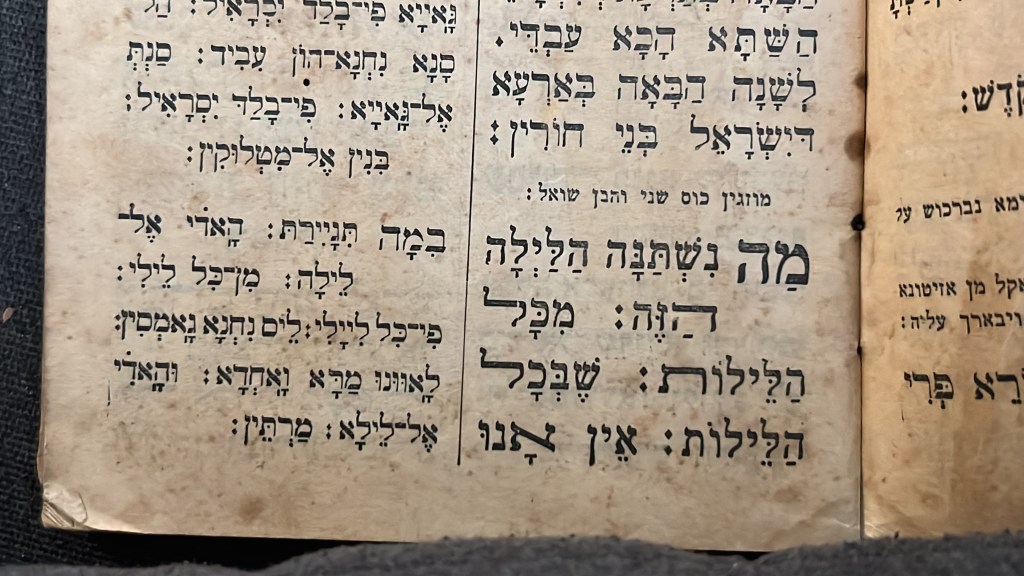
It remains a mystery to me as to why this Haggadah was published in both languages! Not because there is no reason for it to be – but rather many! First things first – this was published by an Ashkenazi printer – Mendl Friedman. So the printer was unlikely to be a native Arabic speaker, like some of the Jews who had been living in Jerusalem for centuries before the establishment of the State of Israel in 1948. Also, the Arabic inside the the Haggadah seems to be Levantine, though it’s a bit unclear at times and there seem to be a few inconsistencies. For example, in the Four Questions, the writer may have made a grammatical error (or I’m a bit rusty!), by first translating the Hebrew “leylot” (nights) as “leyli” (night as an adjective) instead of “liyali” (nights) before later switching back to “liyali”:

These inconsistencies make me think it was probably not a native speaker doing the translation, although I can’t be sure. In any case, we may never know whether this was an attempt to write in Judeo-Arabic, an attempt by Ashkenazi Jews to fit in their local environment, or the off chance that a Zionist organization wanted to promote integration into the local Palestinian culture (as some of them initially supported). Although the latter seems unlikely since the most pro-Arab Zionist movements tended to be extremely secular and were not likely to be publishing a religious text. If anyone reading this blog has insight into the who, what, when, where, why of this book, please share it with me.

So what does this have to do with today? In short, I am inspired by the publisher’s attempt to integrate Jewish and Arab cultures by way of language. Without knowing the intended audience, I can still say that publishing a sacred Jewish text in Arabic is a statement – especially in the conflict-ridden years leading up to Israel’s founding. I am moved by it and hope we will find many more ways to connect across cultures using language and our sacred texts as a point of commonality rather than conflict.

This Passover, Benjamin Netanyahu will probably be spouting off racist bullshit with his equally crazy family in a comfortable home rather than a jail cell where he belongs. However, we can be comforted by the past and inspired to act in the future. Jews and Arabs have not always been at each other’s throats. In 1935 an Ashkenazi Jew published a Passover Haggadah in Hebrew and Arabic. He probably couldn’t have imagined it would end up in a gay American-Israeli Jew’s hands, but that is the magic of history in action.

May this holiday bring more joy to the world. May it bring freedom. May it give us the courage to confront our modern-day autocratic Pharoahs in America, Israel, Russia, Turkey, Hungary, China, and more. For these Pharoahs sit in temporary comfort – justice will come. Avadim hayyinu – we were once slaves, and we will not stop fighting until we are all free. Chag pesach sameach, Happy Passover, and Ramadan Karim.

Survivor

For those who don’t know yet, my mom is in hospice care. After several years of battling cancer, the chemotherapy just isn’t working anymore. To say my mom is the center of my universe and the most important person in my life is an understatement. She is everything to me and I’m devastated to an extent that is hard to put into words. All just months after losing my stepdad David to the very same type of cancer my mom has. Meanwhile, my stepbrother’s mom is battling cancer as well. No wonder I feel like my faith is being tested.

It feels as if on a personal level, I’ve experienced and am experiencing my own personal Holocaust. It’s as if someone waved a wand and threw every bit of crap at me humanly possible and said “now deal with it!”

I could barrel my way deep into the valleys of despair- but that’s not what my mom taught me about survival. From a young age, my mom taught me to find the positive in any and all situations. And I’m not going to lie, with an abusive father in the picture, there were some really dire circumstances sometimes.

But somehow we always found room to laugh amidst the tears. To drive around Potomac and gawk at fancy houses. To count all the Christmas lights on the way back from Hebrew school. To pray. To celebrate holidays. To invite friends and family to our ever-expanding table of loved ones. To always, always, always make room for another at the table.

My mom’s experience – and my own – over the past few years battling cancer has made me think about my Judaism and about what it means to be a survivor. Those of you who know me well know that I’m a bibliophile, a true lover of the written word. So I gave thought to what book of mine represented what it means to survive, to overcome darkness.

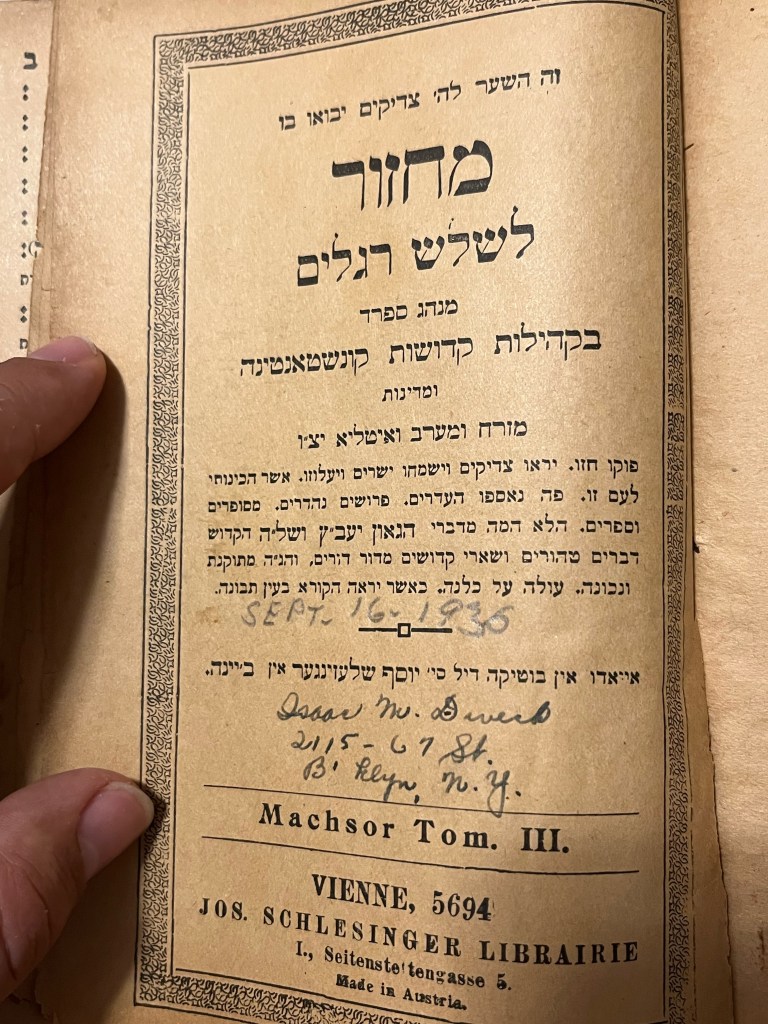
I found a Machzor, or prayer book, in my apartment. I can’t for the life of me remember where I got it, but probably in New York or Israel. And the book was fascinating.

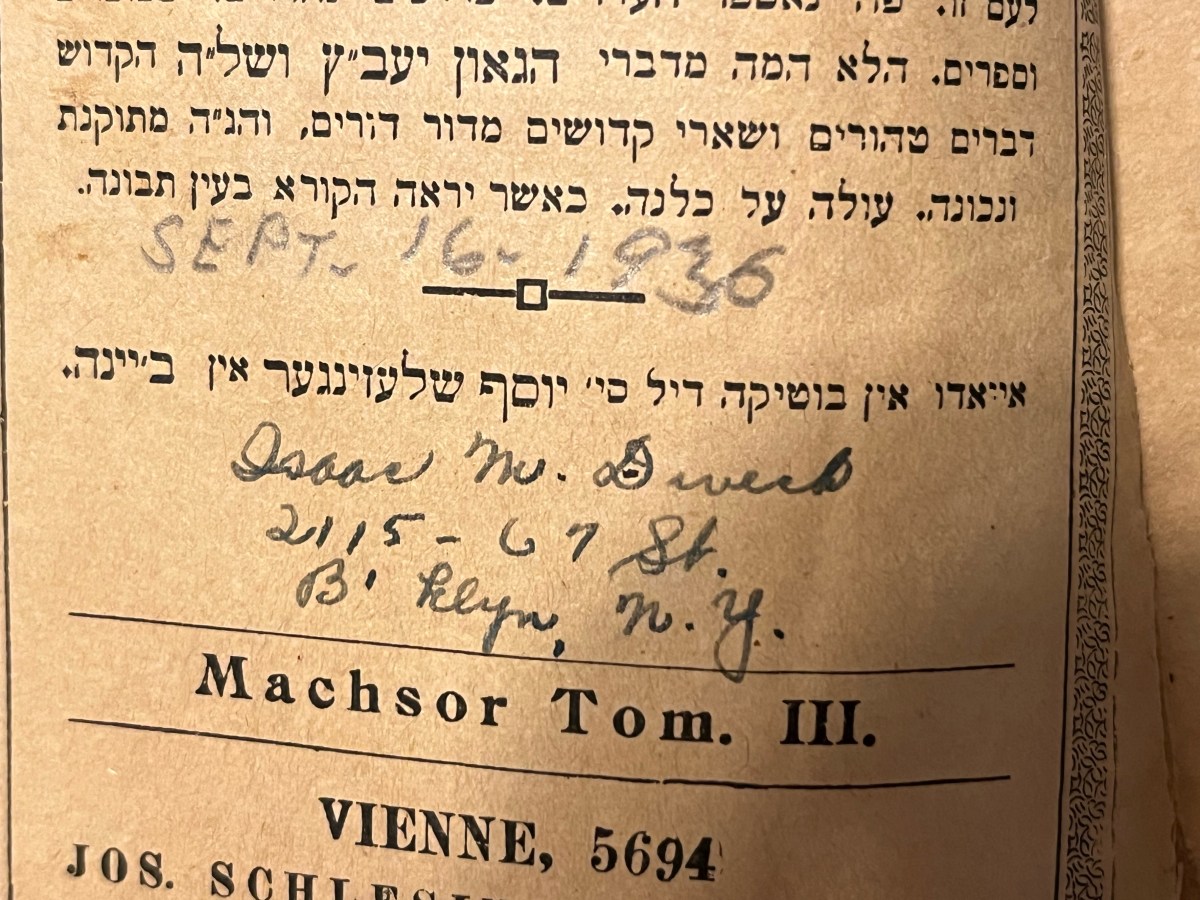
The prayer book was owned by someone named Isaac in Brooklyn N.Y. with the date “1936” written in pencil. But the book itself was not from New York- it was from Vienna, Austria. And it was (according to the Jewish calendar date listed on the cover page) printed in 1934. Just four years before Austria became part of Nazi Germany. Who knows that became of the original publishers and owners of this book. I’m grateful it found a safe home in the U.S. with Isaac and eventually with me.

Which got me thinking – what does it mean to survive? After all, the original people who touched this book in Austria – they may not have withstood the Nazi onslaught that was about to engulf them. But their work lived on – and lives on in me every time I turn a page, every time I touch the cover. Every time I utter a printed word.

So too is it with people. My stepdad is a cancer survivor because every time I think of Lord of the Rings or his green thumb or his steadfast support of my family, I bring him back to life. And my mom will always be a survivor because I carry with me the strength that she taught me from the day I was born. My mom is much like this prayer book. Filled with soul. And built to outlast the evil that pursued it – be it the Nazis in Europe or a truly despicable cancer.

Lately I’ve been feeling more spiritual. I can’t quite say what form that takes or is going to take as I continue to tend to my own needs and ponder what’s next for me in life. But I am feeling more connected.

Those of you who know my mom know that she likes to look for the little signs of things going right. Of feeling connected to something larger than any one individual.

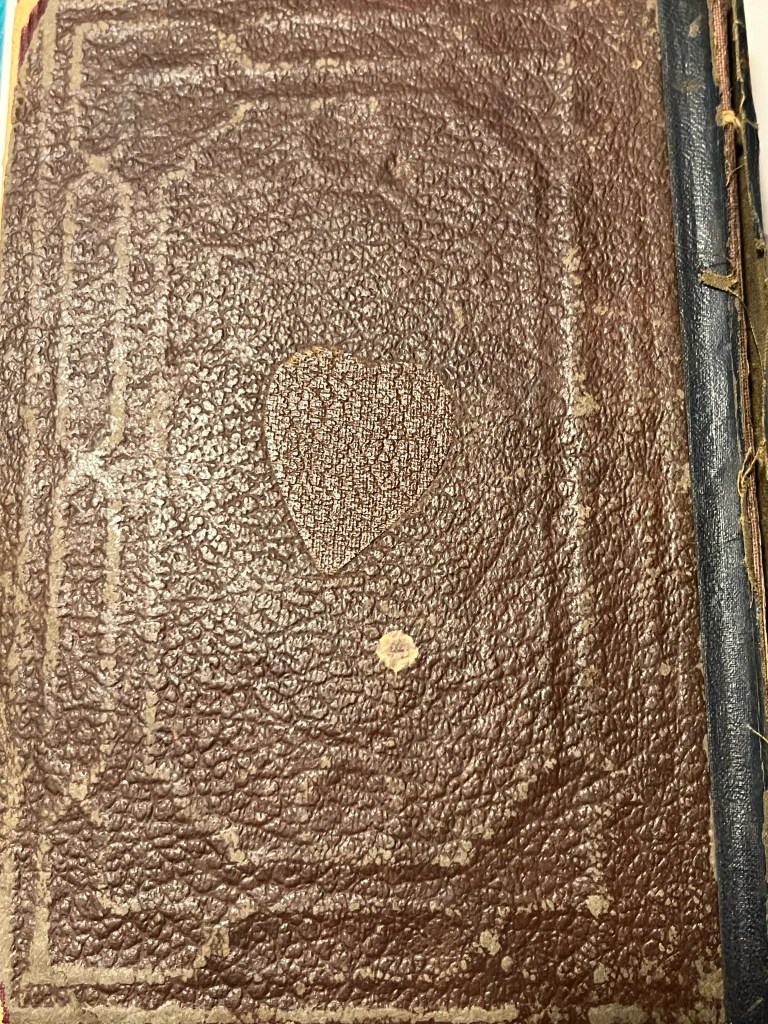
Which is why I think it’s beautiful that when I closed the prayer book, I noticed a heart on its cover.

It was as if this was all a bad dream. As if something out there was sending me a sign that it will be OK. That while this situation absolutely sucks and I wish it weren’t happening, that love is what will ultimately tie me to my family forever.

Thank you to all the friends and family who have been there and continue to be there for me and for my mom. We couldn’t do this without you. And I will never forget all of your kindness.

While some people perfect a nice clean crisp book cover, I like mine like this prayer book’s – a little worn. Because it shows someone loved it. So as worn out as I feel, I am happier for having lived this journey and known so much compassion along the way.

Love your neighbor as yourself. Hug your loved ones. The rest is just details.

להציל את היהדות

מזמן לא כתבתי בעברית. כנראה שאכתוב עם מלא טעויות. אבל אני מרגיש שכדאי לכתוב. כדאי לפרש את הרגשות שלי ברגע כל כך רגיש בהיסטוריה של עם ישראל ומדינת ישראל. הרבה אנשים שקוראים את הבלוג שלי יודעים שאחרי כמה שנים בארץ, אני חזרתי לארצות הברית, איפה שגדלתי. התכוונתי לחזור לארץ ללימודים בבית המדרש של הרבנות הרפורמית. אבל לא מעט זמן אחרי שחזרתי לארה”ב, אמא שלי חלתה בסרטן. אז הייתה מגפת הקוביד. אז נפטר אבא החורג שלי. ותוך קצת זמן, אמא שלי גם תלך לועלמה. בקיצור, הרבה דברים קשוחים התרחשו בחיי ופתאום לחזור לארץ לא הייתה בחירה הגיונית. לפחות כרגע.

אבל למרות שאני נמצא רחוק מהארץ פיזית, אני חושב עליה כל יום. אני מתגעגע לחברים שלי שם ואני מודאג מאוד לגבי המצב הפוליטי. לצערי, כאמריקאי, אני מכיר את הפאשיזם באופן מאוד אישי. אני גר בוושינגטון די סי. הייתי פה כאשר דונלד טראמפ השתדל לגנוב את הבחירות וכאשר הוא הסית נגד אזרחיו ב6 לינואר. הייתה תקופה מאוד מפחידה.

עד ה6 לינואר, הרבה חברים שלי בארץ או התלהבו מטראמפ או לא הבינו למה אמריקאים מבחינות פוליטיות שונות לא היו יכולים “להסתדר”. כלומר, אנחנו פשוט לא ידענו איך לדבר אחר עם השני. אבל אחרי ה6 לינואר, הרבה חברים שלי סוף-סוך הבינו שזה לא היה עניין פשוט ובעצם זה היה משבר פוליטי שחווינו בקפיטול.

לצערי הרב, כל ישראלי שפוי עכשיו מבין מה שקרה בארה”ב לאחרונה. שיש בשתי המדינות תנועות פוליטיות שרוצות להרוס. שרוצות לדכא מיעוטים, למחוק את “האחר”. זאת תנועה פוליטית בינלאומית- מרוסיה להונגריה, מארה”ב לאיראן, וכן לישראל.

מהנסיון שלי בארה”ב, אני רק יכול להדגיש כמה זה חשוב להמשיך להפגין ולתמוך בתנועות פולטיות שהן בעד הדמוקרטיה לכולםן. גם כן לפלסטינאים.

אין עתיד למדינת ישראל בלי דמוקרטיה. ואין דמוקרטיה בלי חרות לכל תושבי ישראל ופלסטין.

בסוף, כמו כל דבר במדינה היהודית, זה עניין של איזה סוג של יהדות תהיה חזקה יותר בישראל. ברור שצריך להיות מקום לגיוון- גם ליהדות השמרנית שאני לא מאמנין בה. אבל- בואו נגיד את זה בצורה ברורה- אנחנו רוצים עתיד של איסור חמץ בבתי חולים או אנחנו רוצים עתיד של יהדות שוויונית?

ליבי במזרח. לכל המפגינות והמפגינית האמיצים- תודה. אני איתכם בלב ואני אמשיך לדבר עם הממשלה שלי בארה”ב כדי לשכנע אותה להשתמש בכח שלה לשמור על הזכויות שלכם. כי בעצם, למרות שאנחנו רחוקים פיזית, האינטרסים שלנו דומים מאוד. אנחנו חייבים לתמוך אחד בשני בשוויון.

אני הפכתי אולי פחות דתי אחרי כל המוות והטרגדיות במשפחה שלי ובחברה שלי בשנים האחרונות. אבל אני כן מאמין שהגורל שלנו הוא משותף. ואף פעם לא אוותר על הקשר בינינו והחלום של שלום, של דמוקרטיה, ושל יהדיות שמייצגת את הערכים שלנו. מתגעגע המון- שנתראה בקרוב בע”ה עם חיוכים של הצלחה של המאבק.

Democracy Now

Israeli democracy has never been perfect. No democracy is perfect. Embroiled in over 70 years of conflict with its neighbors, the State of Israel has often taken antidemocratic steps. Occupying the West Bank and its over three million Palestinian residents is certainly antidemocratic. And fortunately, there are many Israelis who agree with me that that must ultimately change. As of now, Israelis advocating for peace and for an end to the Occupation have democratic protections. Protections Palestinians only wish they had – be they from Israel or their own Palestinian Authority.

A while ago, I read a quote from a Palestinian who said that the thing he admired most about Israel was that, at least for its own citizens, there was democracy. Acknowledging that he couldn’t benefit from it didn’t stop him from gazing towards Tel Aviv and the beaches and the freedom and the dozen plus political parties (including Arab ones) and saying “wow, I wish I had this too.”

That fragile democracy that is granted to Israel’s citizens, first and foremost to its Jewish citizens but also to a degree its Palestinian-Israeli citizens, was once something to admire. In a region of the world plagued by religious extremism, Israel stood out as a mostly secular and reasonably liberal place depending on where in the country you lived. Much like how things can really vary by place politically in the U.S., but you are guaranteed certain fundamental rights that other countries in the world sometimes lack.

This fragile democracy, which allowed me to participate in countless demonstrations for LGBTQ+ rights, for Palestinian rights, for Druze and other minorities – that democracy is failing right now. It is under threat from within. And that threat is named Benjamin Netanyahu, flanked by homophobic and racist politicians such as Itamar Ben-Gvir and Bezalel Smotrich. Much like American democracy was (is?) under threat from right-wing extremists such as Donald Trump, Israel is facing a similar January 6th-type moment.

What is this threat? It has several faces. First off, there is Benjamin Netanyahu’s “judicial overhaul” which seeks to neuter the Supreme Court and save his own ass from his ongoing bribery investigation. Secondly, there are rabidly anti-Palestinian policies bubbling beneath the surface, as Itamar Ben-Gvir seeks ever greater control over the security apparatus in the West Bank. Thirdly, there is the issue of religious coercion. This coercion ranges from anti-LGBTQ+ policies to shutting down construction work on Shabbat, the Jewish Sabbath. It even includes a bill that would criminalize the entry of leavened products into hospitals during Passover, when such food is not traditionally eaten by Jews. It is a slap in the face of non-Jewish patients and families and Jews who may not be Orthodox in their observance.

How does one confront such authoritarian impulses? Israel is not unique in facing this challenge. I live in Washington, D.C. and was here for January 6th when right-wing terrorists attacked our own Capitol with the blessing of our former President. Countries like Poland, Hungary, India, Turkey, and others have seen a surge in authoritarian policies over the past few years.

In the U.S., the (lower-case d) democratic forces managed to unite moderates and progressives and even the occasional conservative to fight back on the streets and at the ballot box. It is thanks to the efforts of this coalition, particularly minority voters, that the Democratic Party had its best midterm elections in decades.

In Israel, this same demographic is fighting back- and hard. And I’m proud of my friends who’ve been demonstrating across the ocean. Hundreds of thousands of Israelis have taken to the streets to make their voices heard- for democracy, for change, for rule of law, for minority communities.

Well, not so much for minority communities. Palestinians and Palestinian citizens of Israel are under threat like never before. Israeli moderates and progressives are taking to the streets to protect their democracy. But rarely if ever have we heard from their most prominent leaders, Yair Lapid and Benny Gantz, about the racist threat to Israeli democracy. Of course the judiciary is important – and it can be a bulwark for non-Jewish communities as well. But the protest leaders have yet to address the intersection of their cause with that of the millions of Palestinians facing the prospect of ever-greater discrimination and violence from this government.

While some on the Israeli left have continually advocated for an inclusive vision of Israeli democracy that includes the rights of Palestinians, the center of the political map has yet to address this “Black Lives Matter”-esque issue. And by that I mean the crucial understanding of how minority rights intersect with the fight for democracy- for all.

In other words, because minorities don’t have a seat at the table in this protest for democracy, it will likely fail. I hate to write that – especially about a country I so love and want to see succeed. But until Palestinians- both citizens of Israel and those living across the Green Line– have a voice in this movement, it will be incomplete and not strong enough to take on the ferocious right-wing government threatening us all.

The photo I used for this blog is of me and two Druze friends of mine protesting for minority rights in Tel Aviv in August of 2018. It was a time when we fought for a shared future together. It was a time when Jews and non-Jews came together for democracy. It is possible. It is doable. It has been done before. It must be done now.

Im tirtzu eyn zo agadah. If you will it, it is not a dream. In the holiest of lands, hope must rise.

When the sh*t hits the fan

This past week has been one of those crazy weeks you never forget. My step-dad has spent the week in the ICU due to two blood clots and after going into cardiac arrest. My mom, who is on her newest round of chemotherapy, is taking care of him. I’m just trying to keep my head above water. Trying to enjoy life’s little moments and joys to distract me. With some degree of success. Thank you to all my friends who’ve been there for me this week and are helping me get through this.

This week, the insanity of my life seemed to parallel that of Israel’s.

Just as my world seemed to be spinning, Israel voted in one of the most right-wing, ultra-religious governments in its history. As an Israeli citizen, I’m embarrassed to see the rise of fundamentalism in my other homeland. It just goes to show that what we’re seeing in the U.S. and Europe is spreading to other countries as well. We must rise or fall together. This is the moment for people who care about the future of Israel – and its Palestinian neighbors – to speak out for democracy.

Faced with adversity in Israel and my own home front, I’m faced with a choice. I could pray, I could sway, I could wait for others to act in my place.

I will do no such thing. First of all, I will be there for my immediate family. Secondly, I will be there for myself – allowing for moments of relief and even joy as I step away from the trauma I’m dealing with. I want to live my life, which is what my step-dad would want even as he struggles for his own.

And when it comes to my brethren across the ocean – Arab citizens of Israel, Palestinians, and Israeli Jews and Druze – I will step it up for you. As LGBTQ+ and Reform rights are also under attack, I will not sit by silently. The Israel and Palestine we want to build is possible. And we will not give up. Please consider a donation to Standing Together, my favorite Jewish-Arab activist organization, to promote solidarity and peace.

One of the things I learned while living in Israel was the power of embracing life and its fulfillment even in the darkest of moments. That’s why you’ll find Israelis partying on the beach as rockets fall down. It’s an extreme example, but a real one.

So as the rockets metaphorically fall on my own family and on Israel’s democracy, I will fight, but I will also dance. I will push when needed, rest my body to rejuvenate for the long haul, and I will enjoy the people and love that I get to experience each day.

Because as my cover photo from Majdal Shams says in Hebrew and Arabic: “Why not?” Hope lives, always.