Recently, I went to my first gay Jewish wedding. It was a wonderful experience to see friends coming together to build a loving future. And while I’ve been to many wonderful weddings, there was something special about seeing queer Jewish joy in action, in reality. A joy I hope to share someday with someone special.
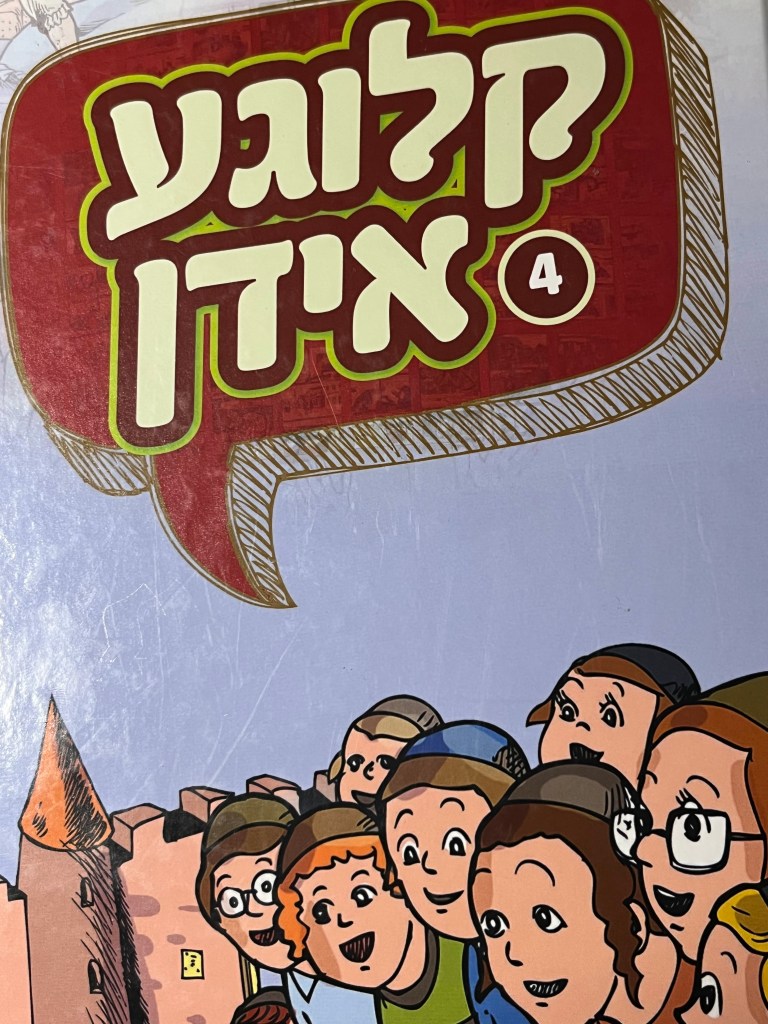
While in New York, I relished the opportunity between wedding festivities to visit Hasidic Brooklyn and practice my Yiddish. After buying a black yarmulke, I visited Hasidic bookstores in Williamsburg and bought some books in Yiddish, including a kids book called “Smart Jews”, a book about the Titanic, and a prayer book with Yiddish translations of the traditional Hebrew.
I love speaking Yiddish and I surprised the bookstore employees by speaking it while wearing decidedly non-Hasidic clothes. While some people looked at me with an almost suspicious curiosity, others were incredibly warm and hospitable and thrilled to hear me speaking Yiddish.
Next, I got the good stuff – gefilte fish! Yes, I love gefilte fish. It is a delight and while it’s true that maybe you need to grow up with it to love it, I absolutely adore this dish, especially when made fresh (not in a jar!).
I sat next to a rabbi in the restaurant and he was very welcoming and kind.
Near the restaurant, I walked through Williamsburg and saw a crowd of Hasidic Jews gathered outside an apartment, where a rabbi was preaching in Yiddish as hundreds listened attentively on the street. It was an amazing sight. At a time when we’re being persecuted yet again, this community is preserving our Jewish traditions despite it all. It was like a scene out of a shtetl.
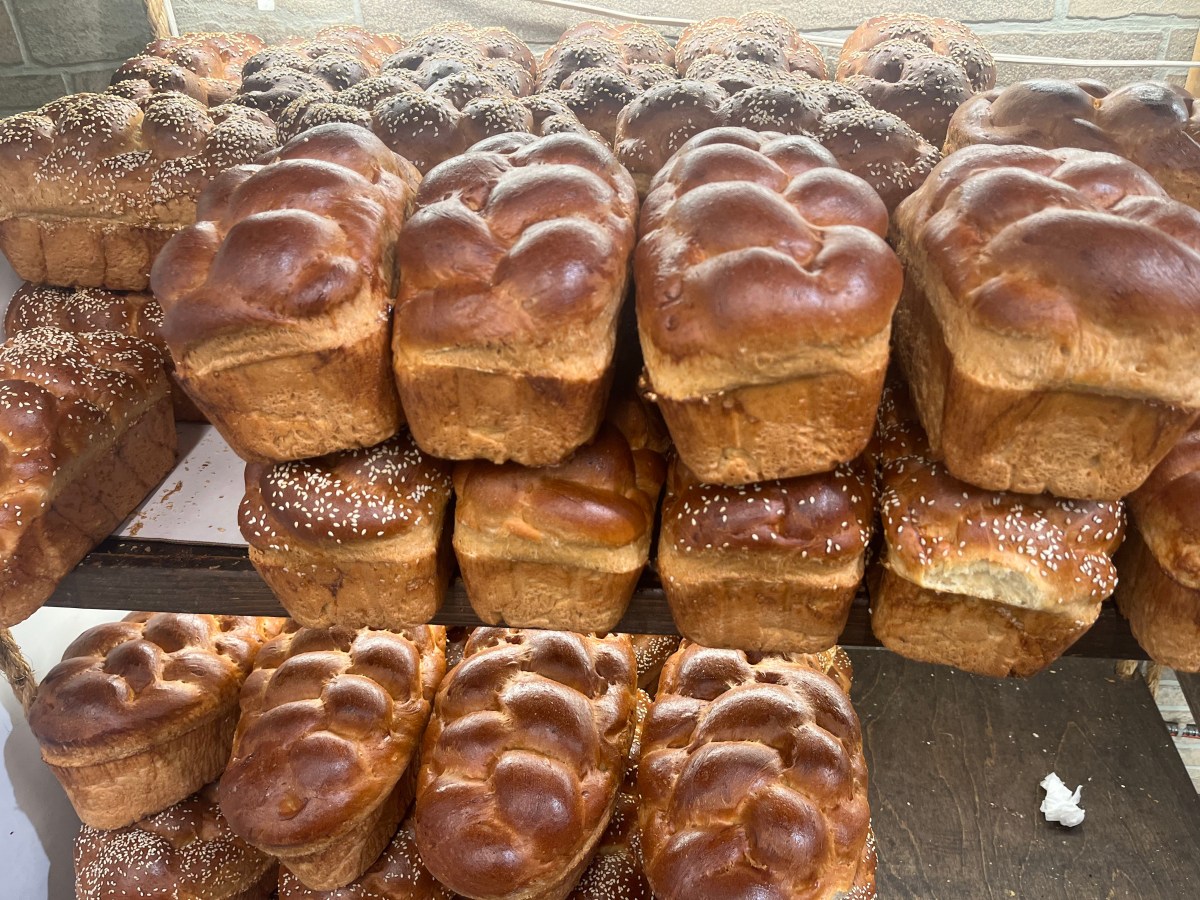
After exploring Hasidic Williamsburg, I made sure to stop at a late night Kosher bakery and get some sweet cheese rugelach, a novel combination that was a true delight. They also had tons of challahs of various sizes, like the ones in this blog post’s cover photo. Even some local hipsters came in for a taste of the bakery’s delicious food.
Over the next two days I met up with other friends in New York, ranging from Yiddishists to a Modern Orthodox college friend on the Upper West Side, and of course got a bagel with whitefish salad. None of this was particularly Hasidic, nor in Brooklyn, but it just shows the incredible diversity of New York Jewish life that I was able to slip in and out of these different communities plus a gay Jewish wedding in the course of a long weekend.
After the wedding, I decided to go to Crown Heights. Williamsburg is heavily Hasidic, but predominantly populated by communities that are a bit more insular in their approach to preserving Jewish tradition. Crown Heights, while also Hasidic, is predominantly a Chabad area. Chabad is a group committed to outreach within the Jewish community, making it a little easier to get to know people even as a semi-outsider.
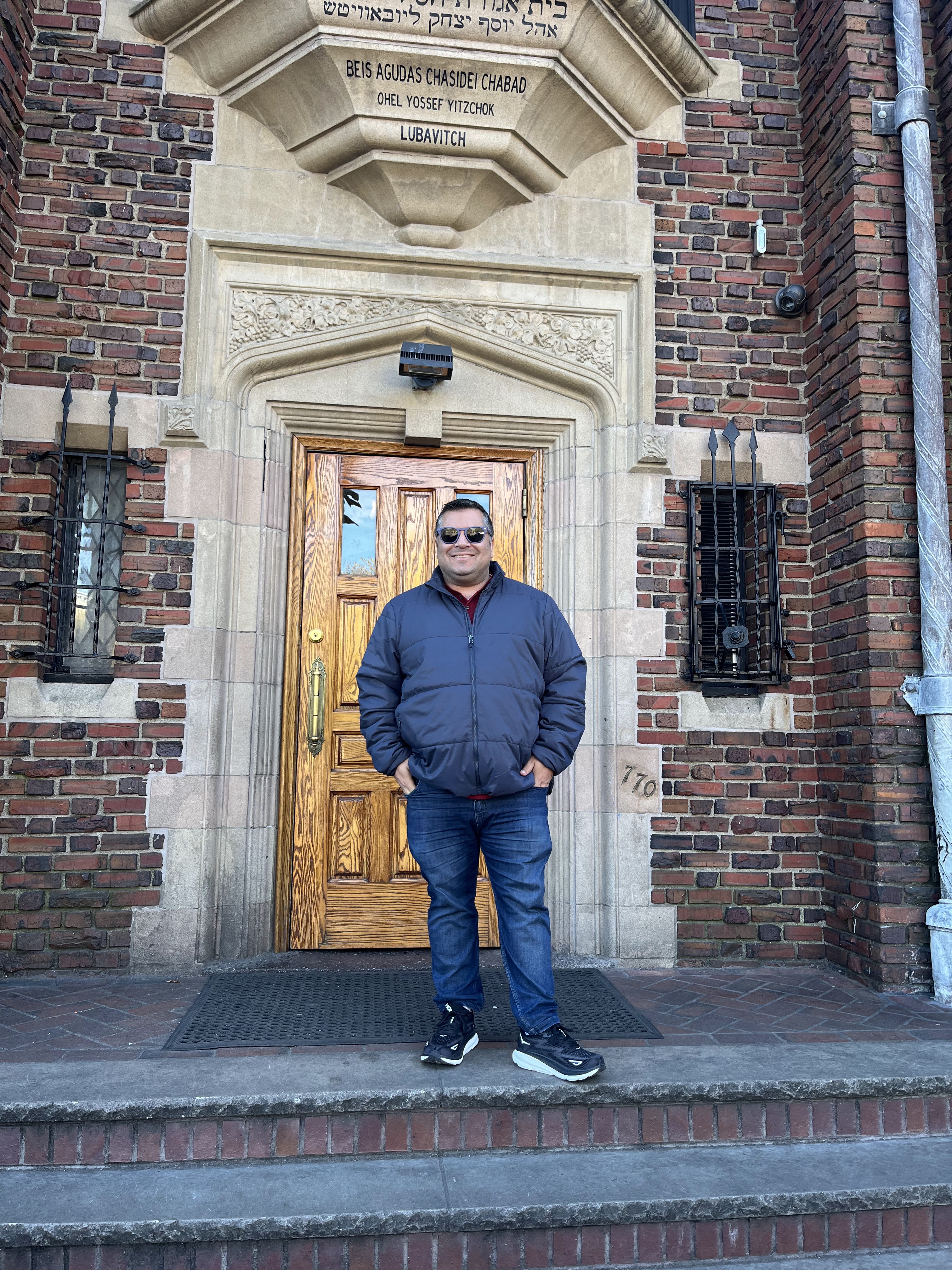
I visited 770, the house of the former Chabad Rebbe, a deeply revered leader.
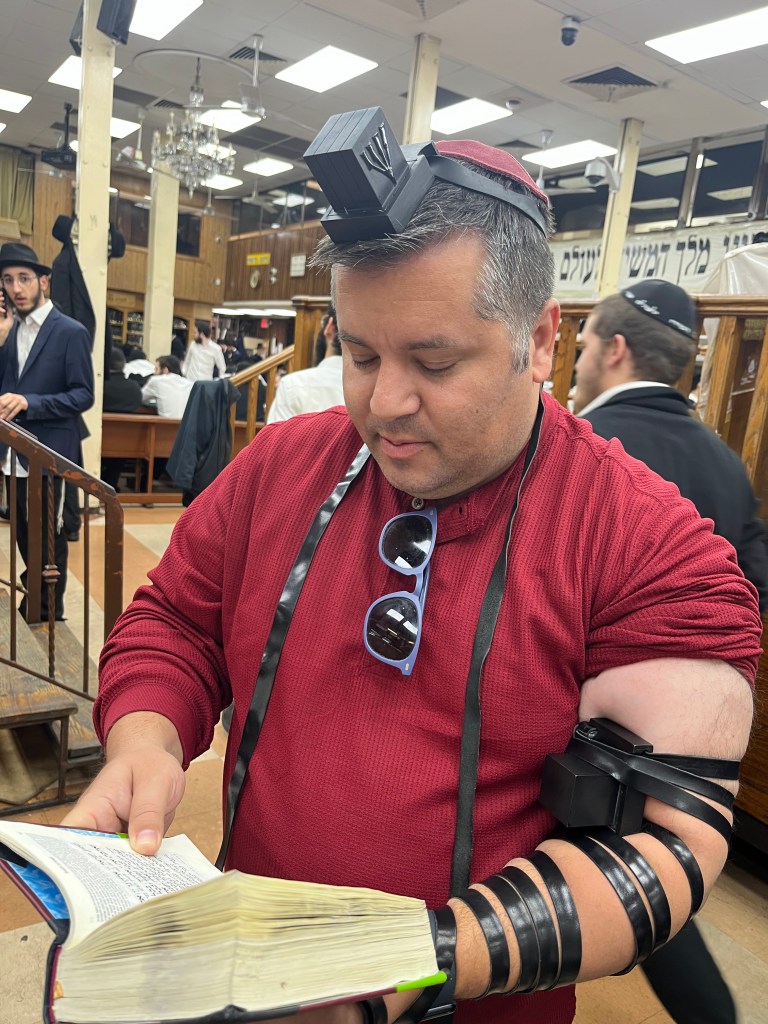
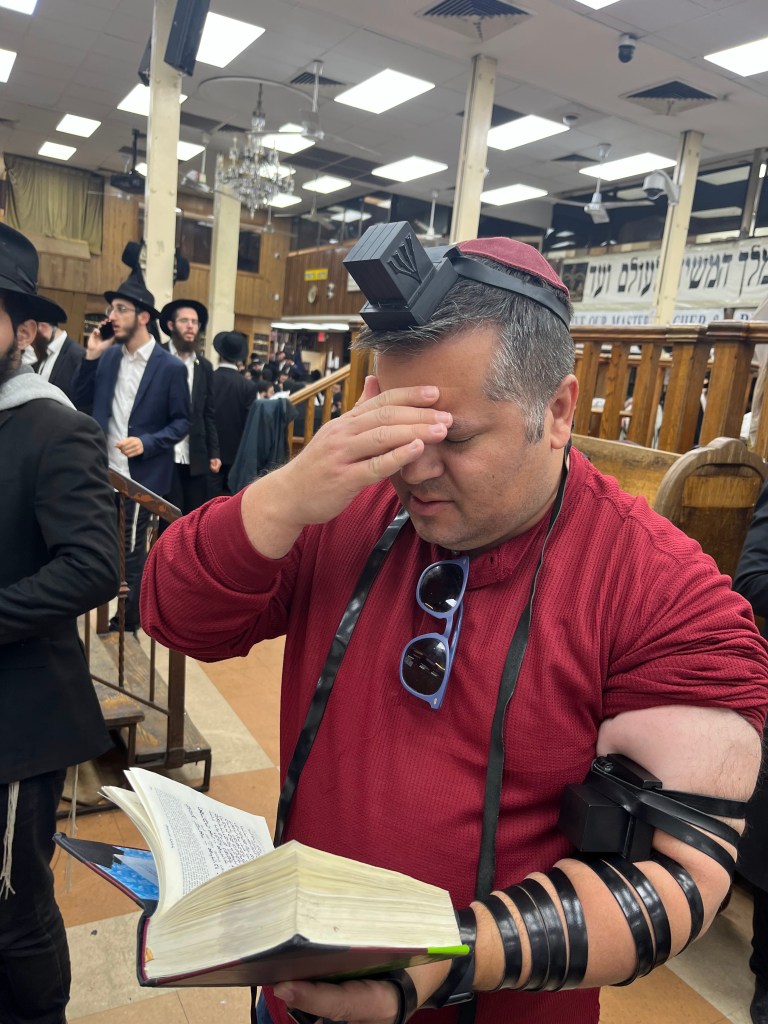
I then decided to do something I had never done when visiting Crown Heights years ago: I went inside the synagogue next door to the Rebbe’s house. I decided to lay tefillin, an ancient Jewish ritual, with the help of a young man. It didn’t matter that every other man in the building was dressed in the traditional black and white suits and I was in jeans and a red shirt. Chabad doesn’t care- they just want you to fulfill mitzvot, commandments from G-d that Jews are instructed to follow. It was a really nice experience.
Laying tefillin is a truly embodied ritual that made me feel connected to Jews everywhere and to thousands of years of our history. At a time when it seems we can control so little, it helps me feel grounded and secure in my faith.
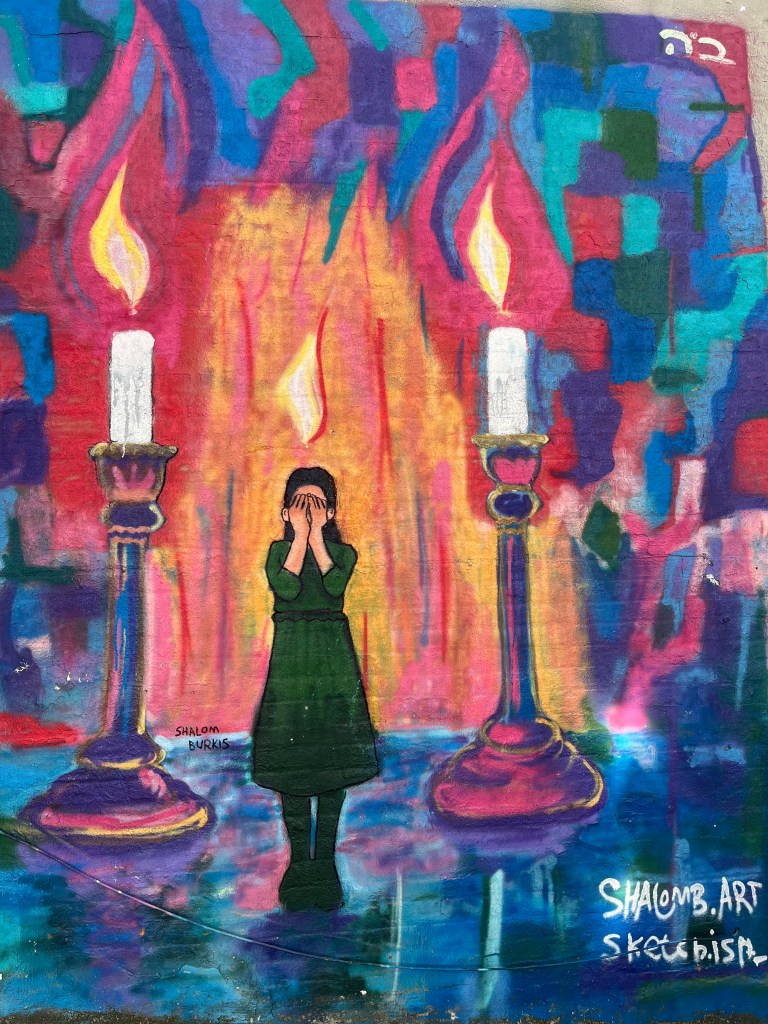
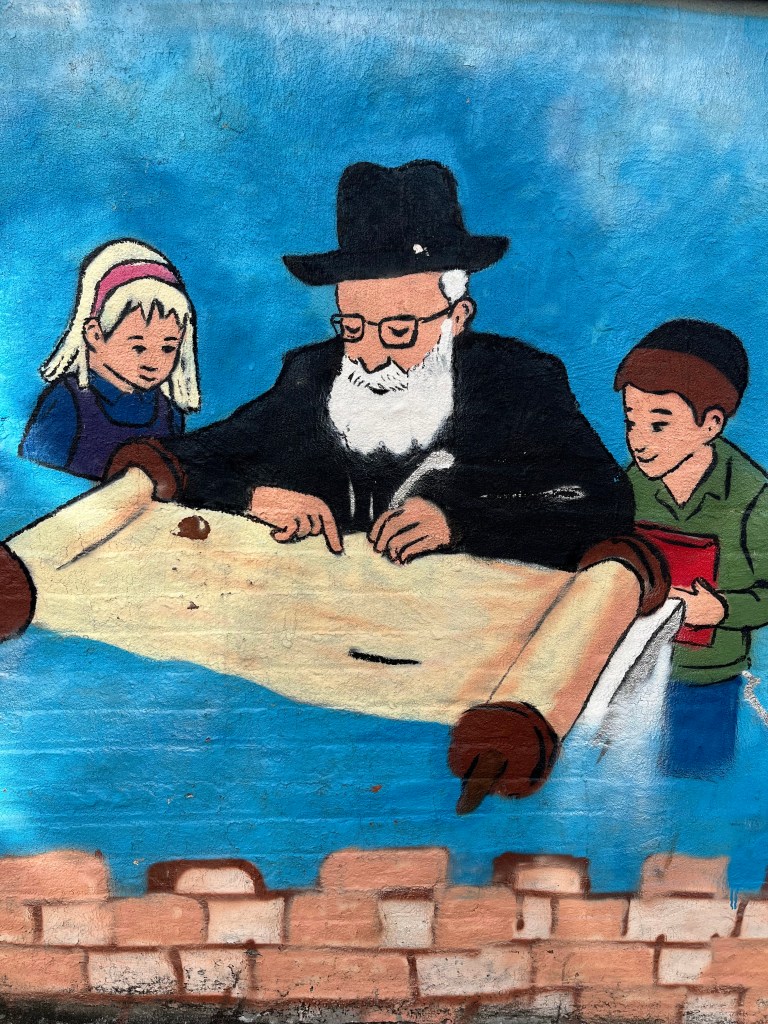
In addition to laying tefillin, I found some interesting Jewish street art in the neighborhood.
I love seeing murals whenever I travel, and to find Jewish ones was especially heartwarming and exciting.
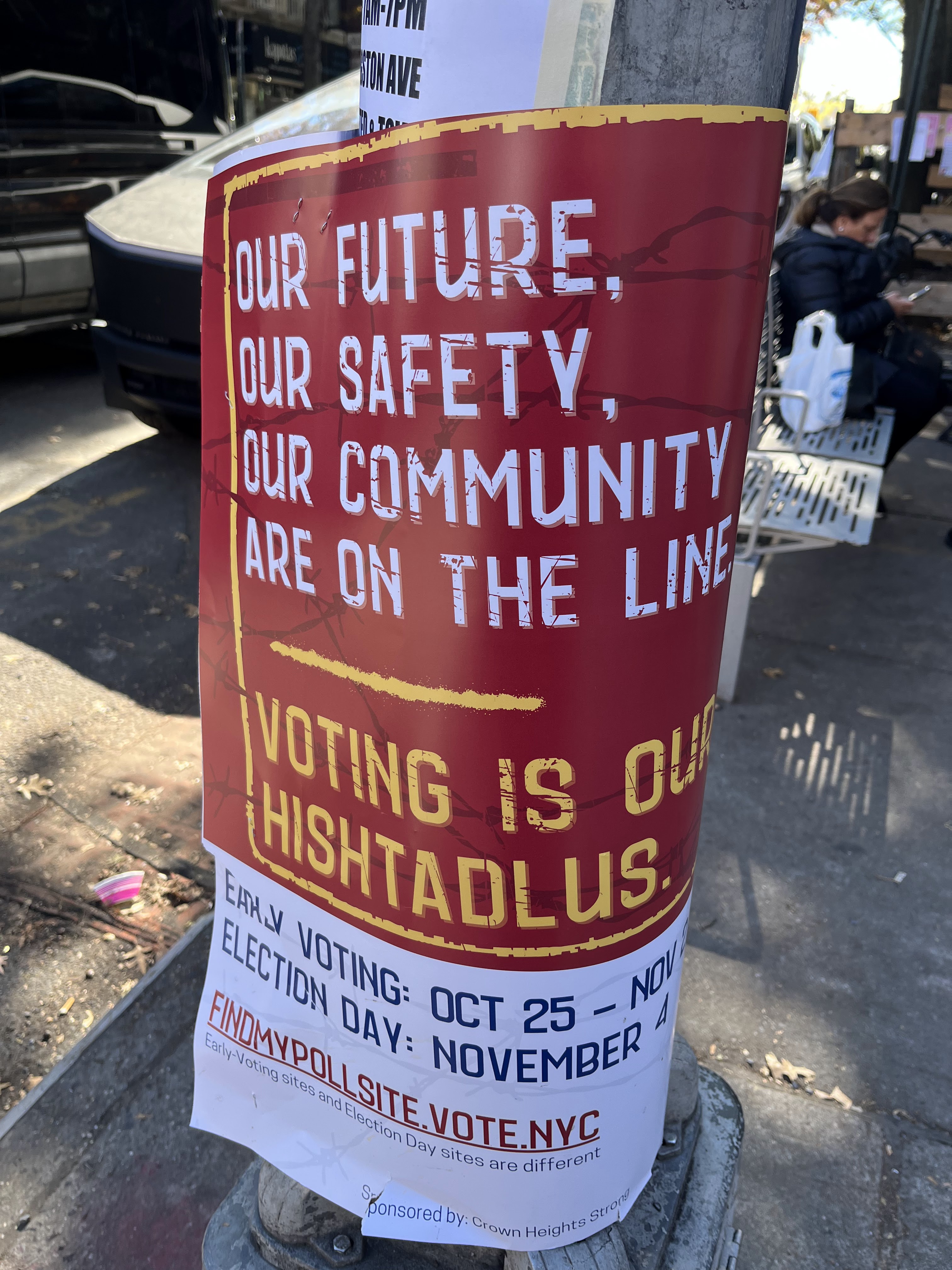
Lastly, it was not lost on me that I was in New York the last weekend before the fateful election that led to antisemite Zohran Mamdani becoming elected mayor of the city. I’ve already written my thoughts about him here.
The feeling that the community was slipping through our fingers, as Jews, was palpable in Hasidic Brooklyn. I saw election turnout signs like this one that were as clear as day:
Seeing Hasidic Brooklyn was amazing. I highly recommend a visit. Go see this beautiful community before the coming storm. Let us hope and pray that we will weather it together.
Because in the end, the people who hate Jews won’t distinguish between the gay ones or the Hasidic ones, the secular ones or the Modern Orthodox. They will come for us all. Which is why it’s so important we show solidarity with each other. We don’t need to agree on everything. I’m gay, I’m aware of the challenges that would face me living in a Hasidic community. And I’m also aware of prejudice and judgment that Hasidic Jews face in progressive Jewish circles.
Let’s come together in our time of need. So if there’s a storm ahead, let’s grab each other’s hands and dance in the rain and make it through as one strong community. Ken yehi ratzon. May it be so.
On my trip to Italy, I encountered a beautiful country, intense antisemitism, and a 2,000+ year old Jewish community that continues to survive it all.
My trip started in Padova, a bit off the beaten path. A historic college town, it was beautiful and not overrun by tourists, but also had frequent anti-Israel graffiti and regular demonstrations, as has been the case at American universities as well. Situated in the more conservative Veneto region, it was certainly less antisemitic than far-left places I visited like Bologna. But nonetheless, at times I felt uncomfortable as a Jew.
For instance, my food tour guide in Padova was a welcoming Italian man named Davide. He was well-traveled and intellectually curious. When I was brave enough to share that I was Jewish and an Israeli citizen, he had many questions. He was on the left side of the political spectrum in Italy, which in Europe sadly correlates with increased antisemitism and anti-Israel bias. He had never heard of Arab Israelis (i.e. Arab citizens of Israel with full legal rights) – he was curious enough to say he’d Google the topic. He had not heard that Arab parties existed in the Knesset (Israeli parliament). When I told him I felt that Italian culture was quite similar to Israeli culture, he was shocked. He also had no idea that LGBTQ+ people were persecuted in many Arab countries including the incredibly repressive one he’s visiting next – Saudi Arabia!
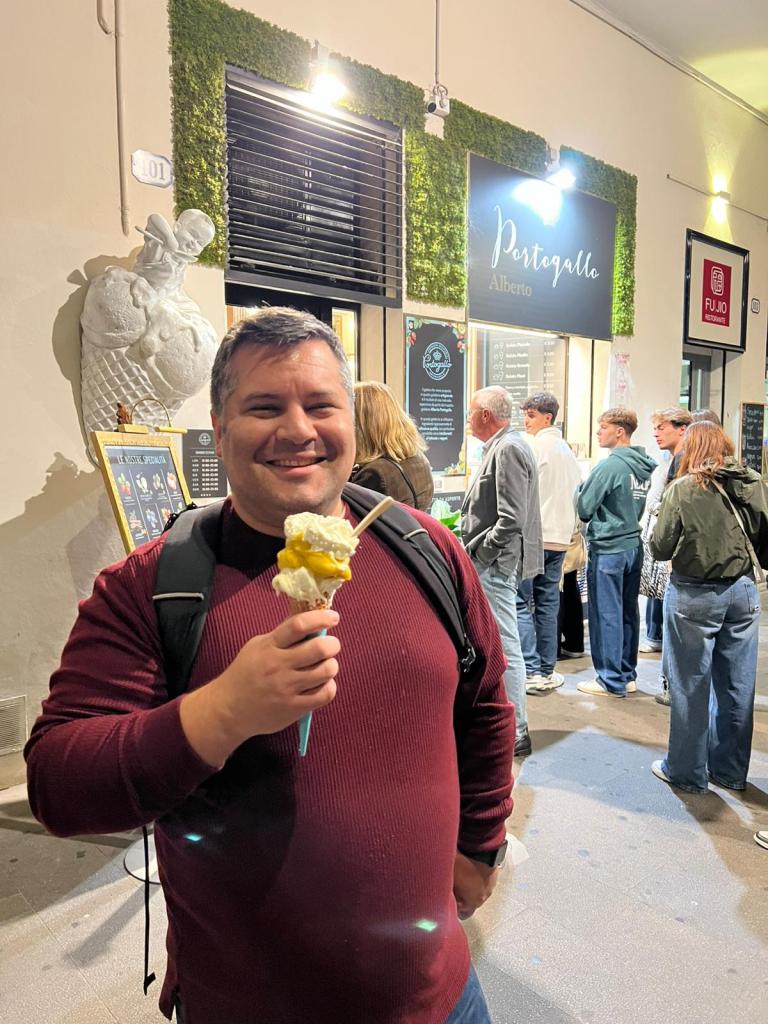
It was hard for me to go on that tour. Not because of the delicious food and gelato (man, the mango gelato in Padova was out of this world!). But rather, because I felt like I had to be an ambassador for my people. This guy wasn’t a bad guy. He just didn’t have many facts. And to his credit, he was willing to learn and grow. I just didn’t have the energy on vacation to play teacher. I hope he continues to delve into Middle Eastern history and culture – with my people included. It’s important for me to remember people like him – people who may largely disagree with Israel or are rather naïve, but are not necessarily malicious. We must engage with these people more gently and with more understanding than with some of the other instigators and criminals who persecute Jews these days.
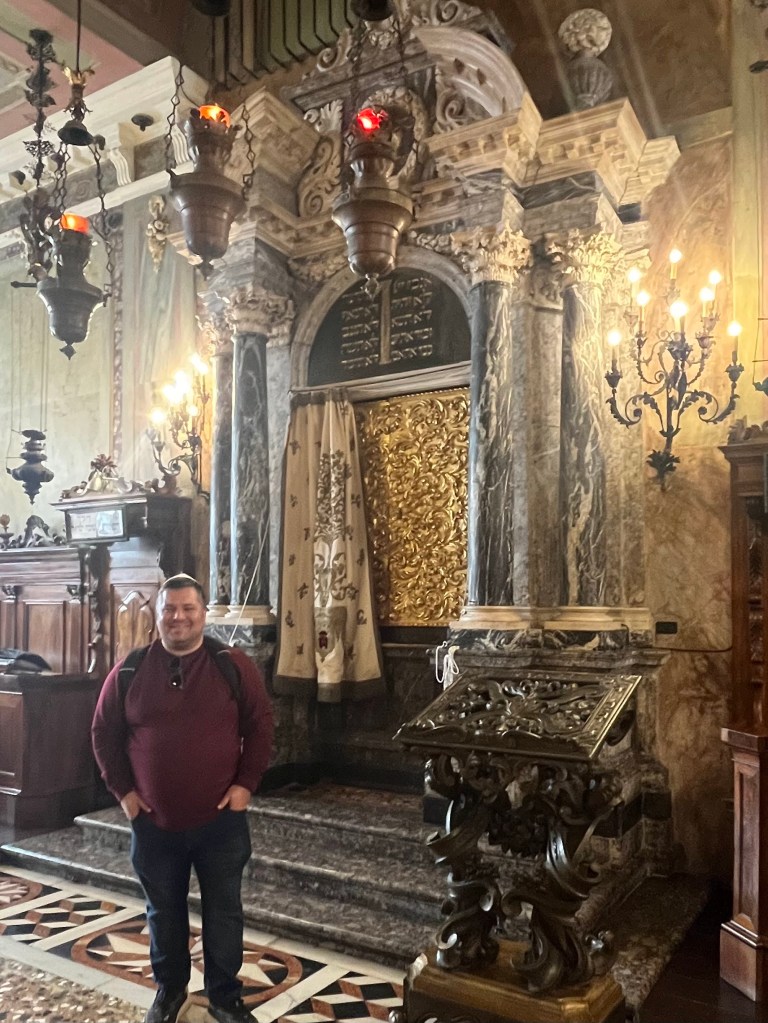
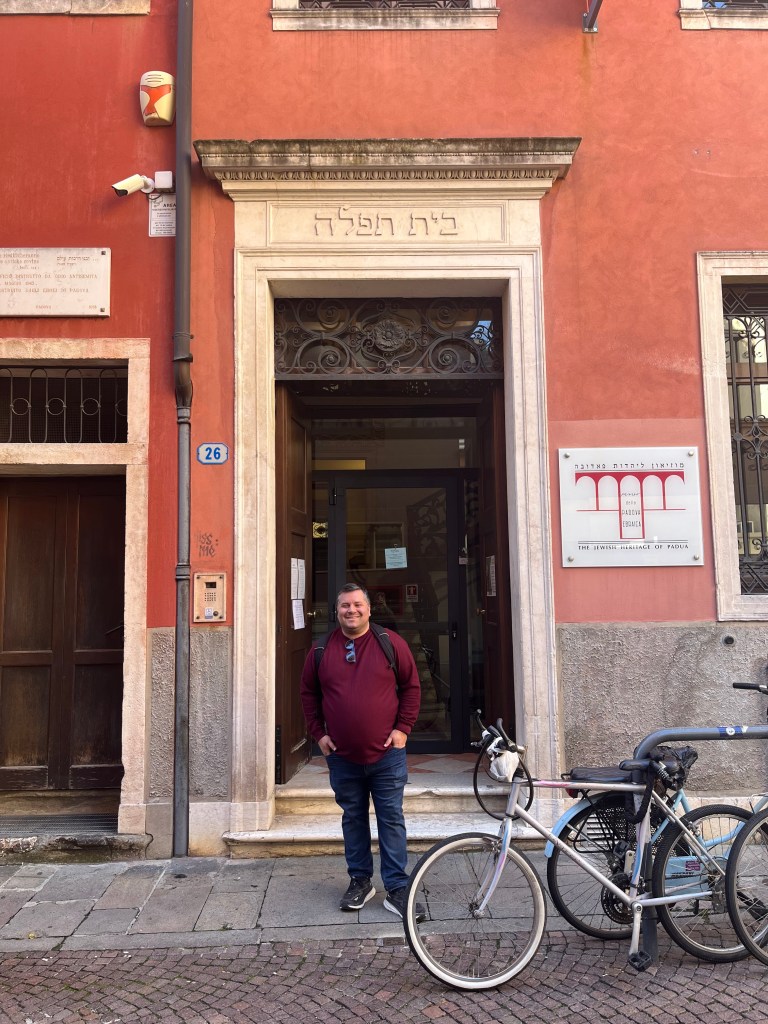
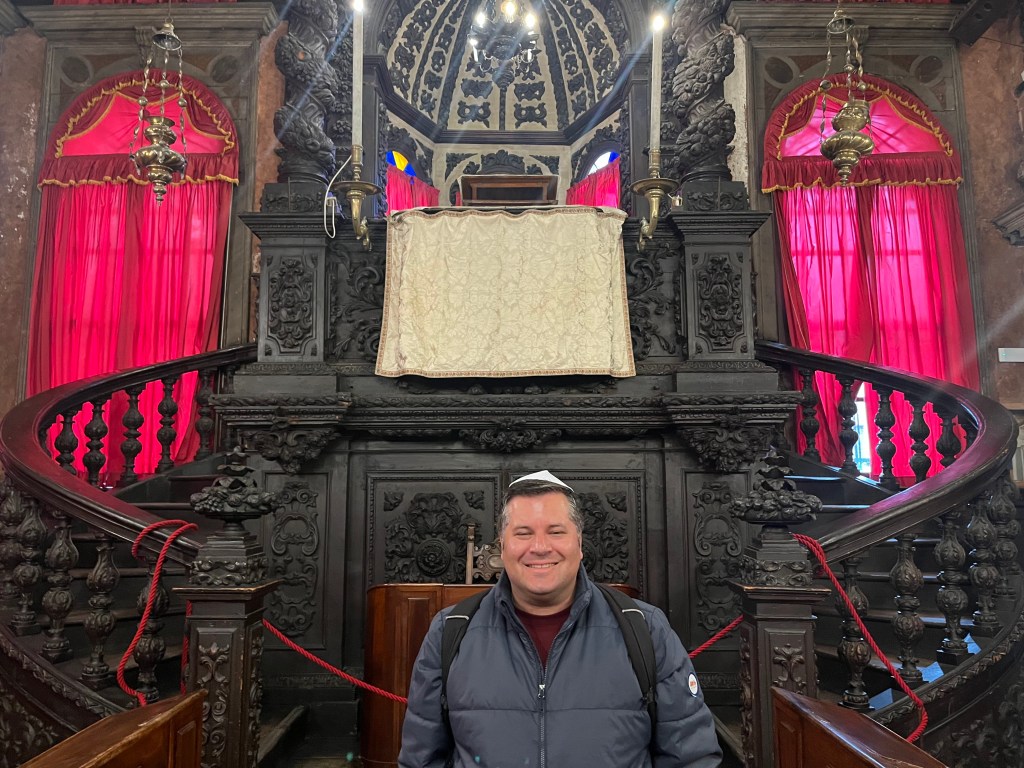
I had the great privilege of visiting the Jewish Museum of Padova, including a visit to the historic synagogue, which is still in use to this day. I highly recommend this museum and synagogue. Not only did I learn so much about this historic community, I got to visit the 477-year-old synagogue all by myself! Here are some pictures:
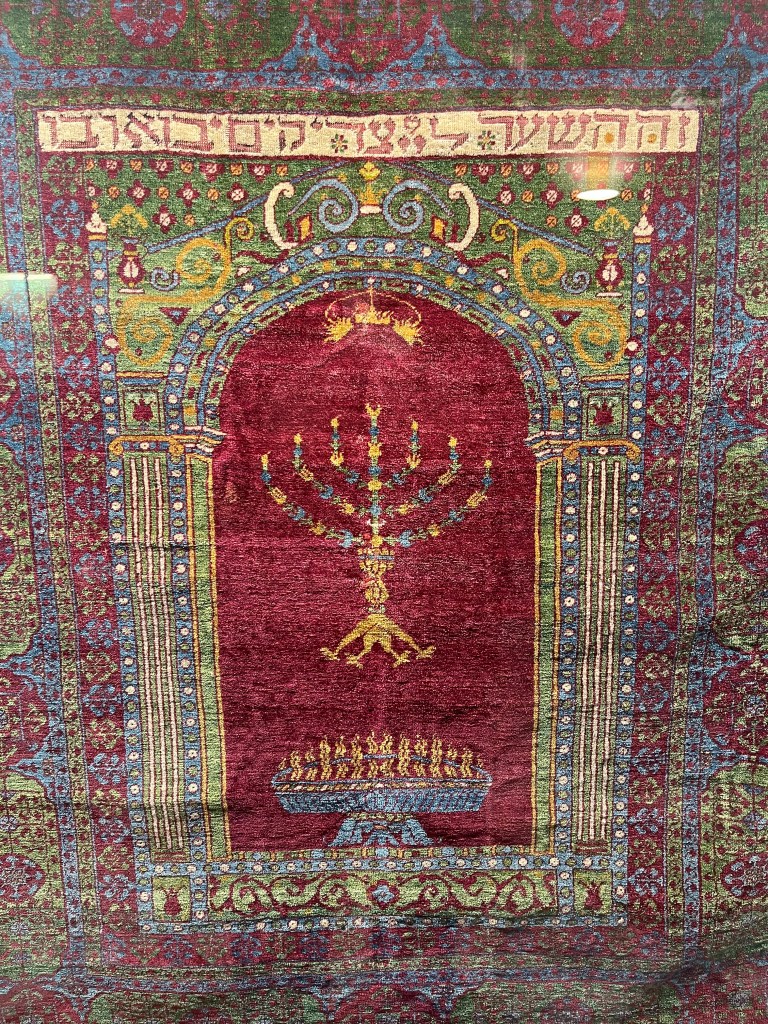
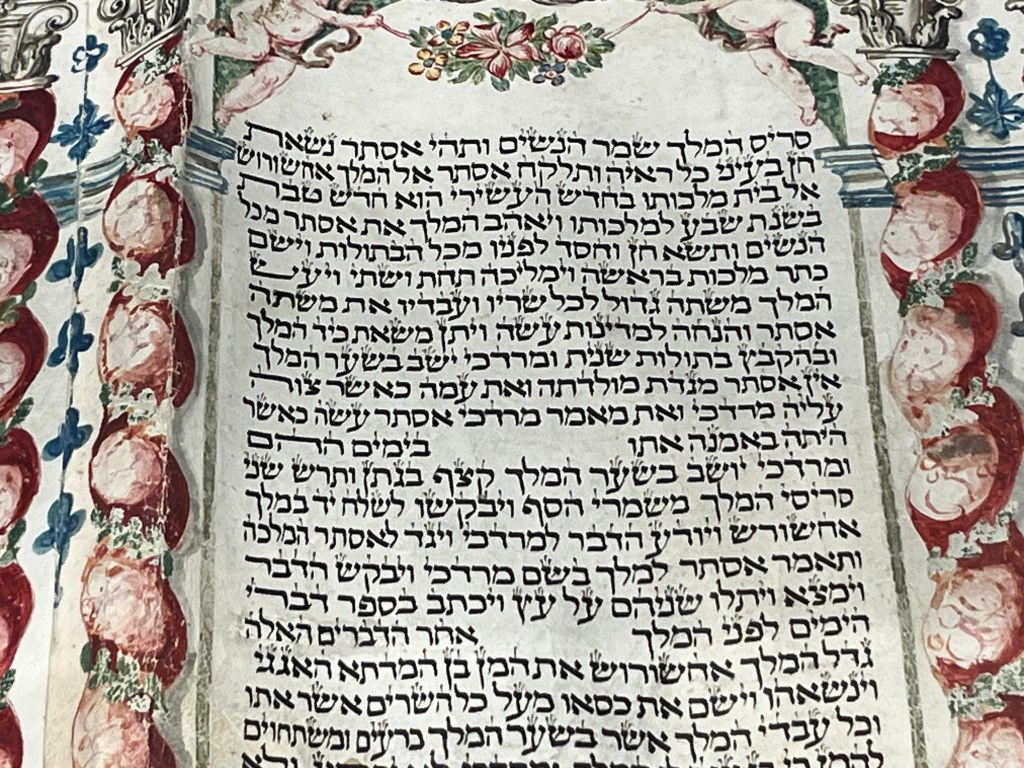
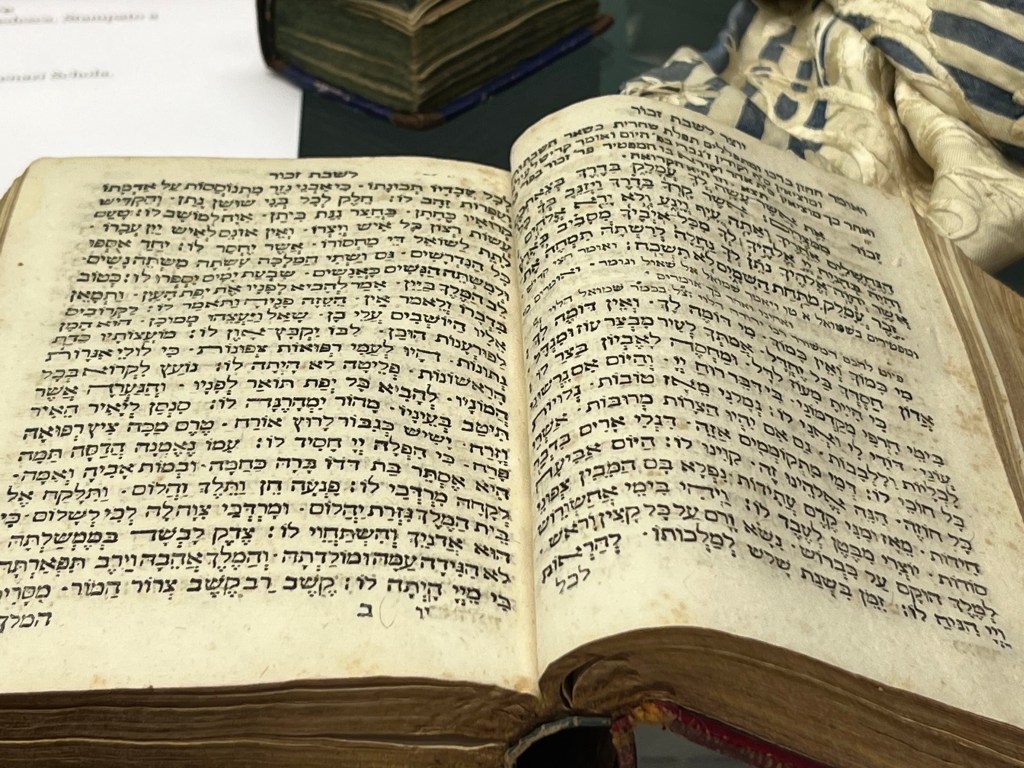
The museum tells the story of Padova’s Jews and some Italian Jewish history as well. For those who don’t know, many different types of Jews have lived in Italy, including Ashkenazim (yes, Yiddish was spoken in Venice and parts of northern Italy!), Sephardic Jews, Levantine Jews (Sephardic Jews who migrated to the eastern Mediterranean and came back towards Italy), and Italian-rite Jews who have been in the country for over 2,000 years! There are many beautiful artifacts such as the ones below dating back hundreds of years:
The beautiful Baroque synagogue miraculously survived Italian fascism and the Holocaust and is absolutely worth a visit. The employee working the front desk was not Jewish but was very knowledgeable about the community and charmed me with her Italian-accented Hebrew as she explained the different parts of the sanctuary to me.
Before I move on to my next Italian Jewish destination, I want to share a quick disclaimer. From Padova, I did a quick day trip to Bologna. While Padova certainly had some antisemitism, it was largely calm and pleasant and I’m glad I stayed there for a few days. Bologna, on the other hand, is not a pleasant place if you are Jewish. It is covered in antisemitic graffiti (i.e. “death to Israel”). It is called the “red city” in part because historically it has been the bastion of the Italian Communist Party. I felt deeply uncomfortable there and decided to leave earlier than expected to head back towards Padova. Of course not everyone in Bologna is a communist. When I asked my cab driver to the train station in Italian whether it was a political city he said “troppo!” Too much. He found the anti-Israel graffiti disturbing and disruptive and an unfortunate stain on the beauty of the city itself.
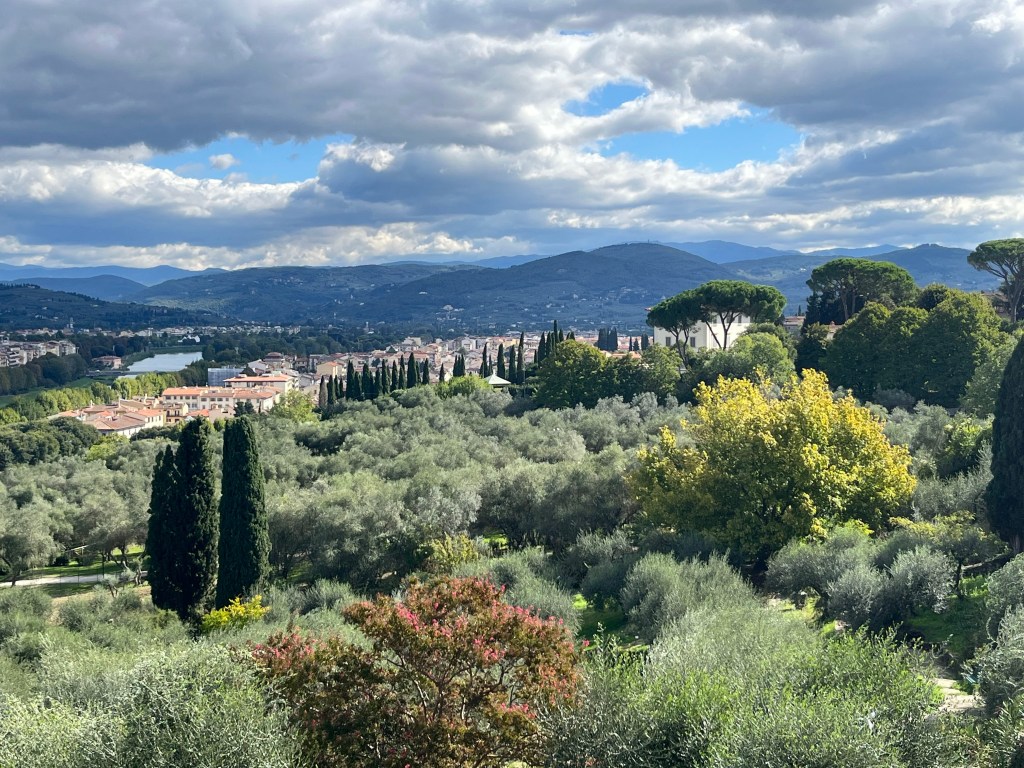
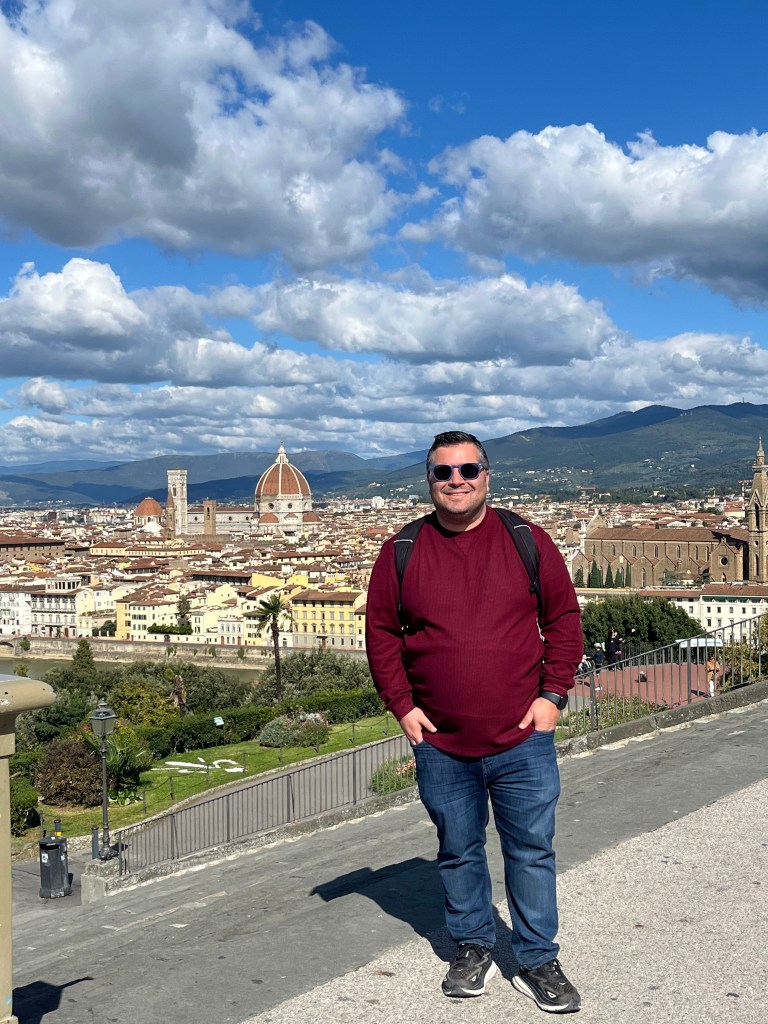
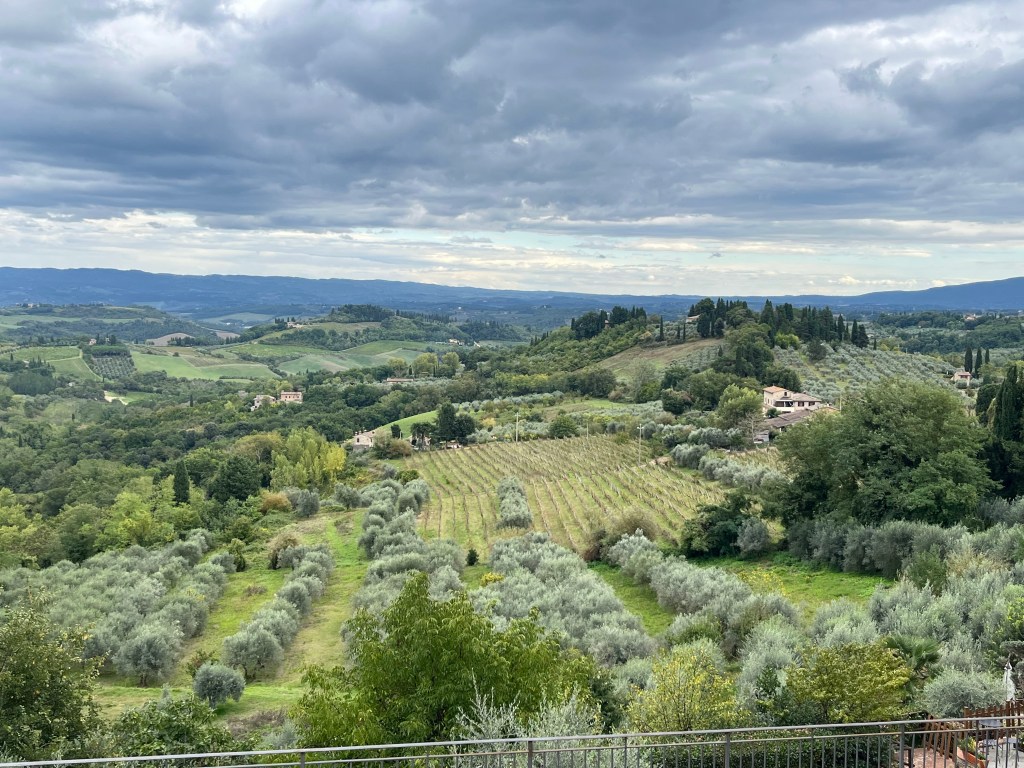
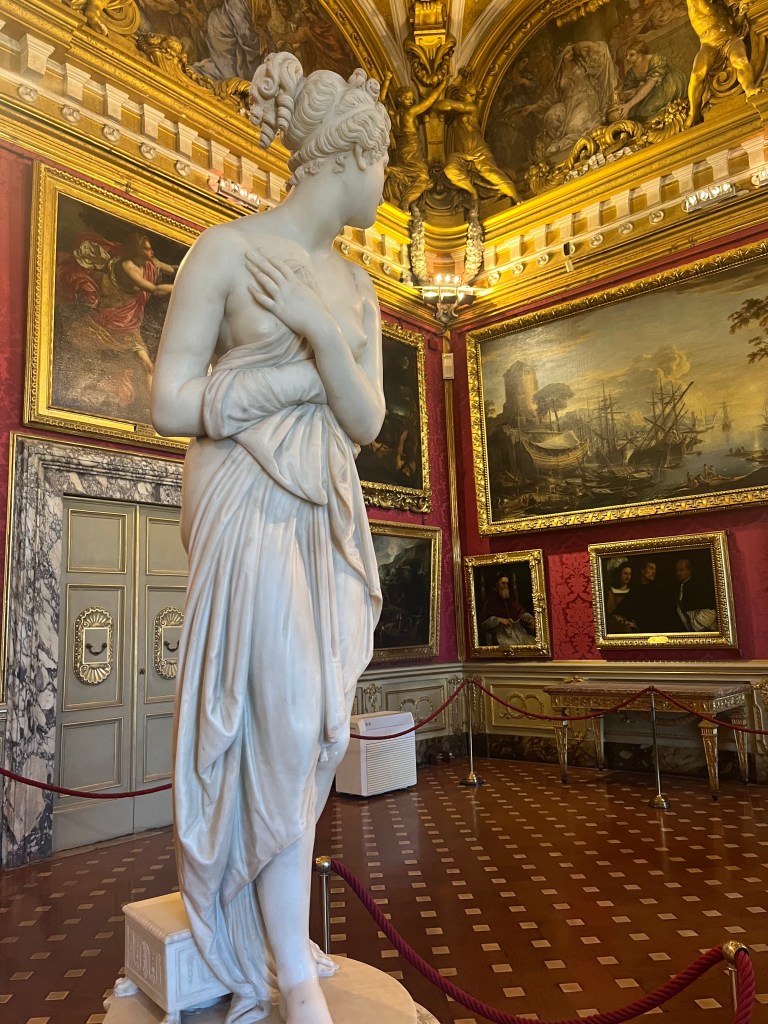
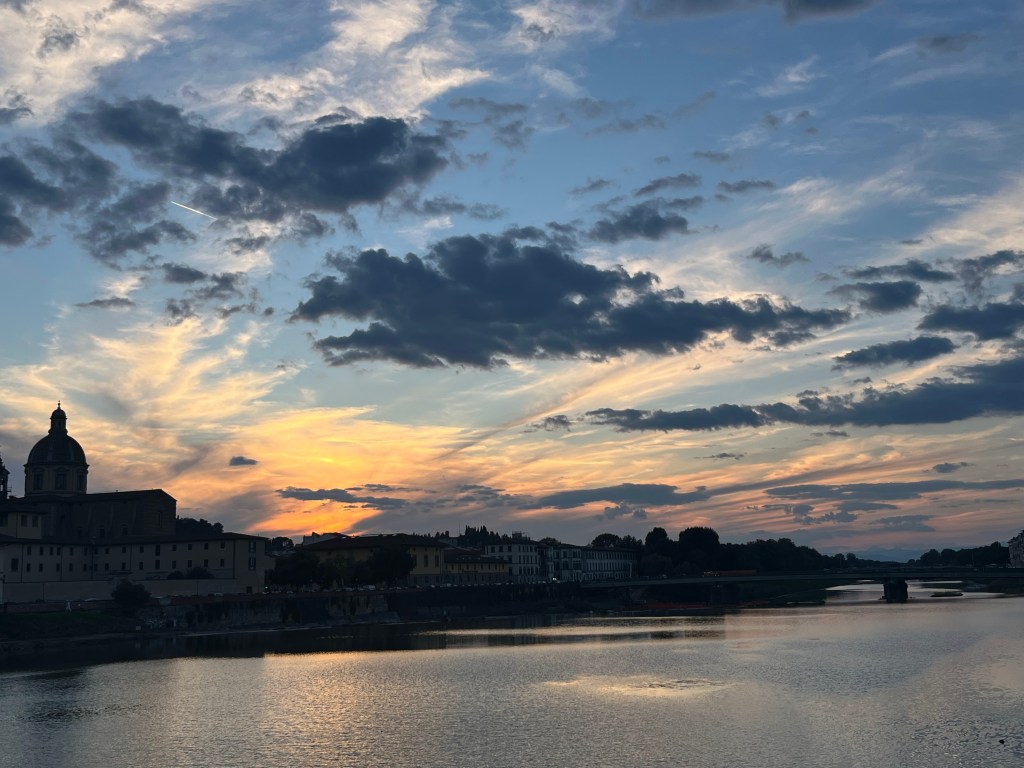
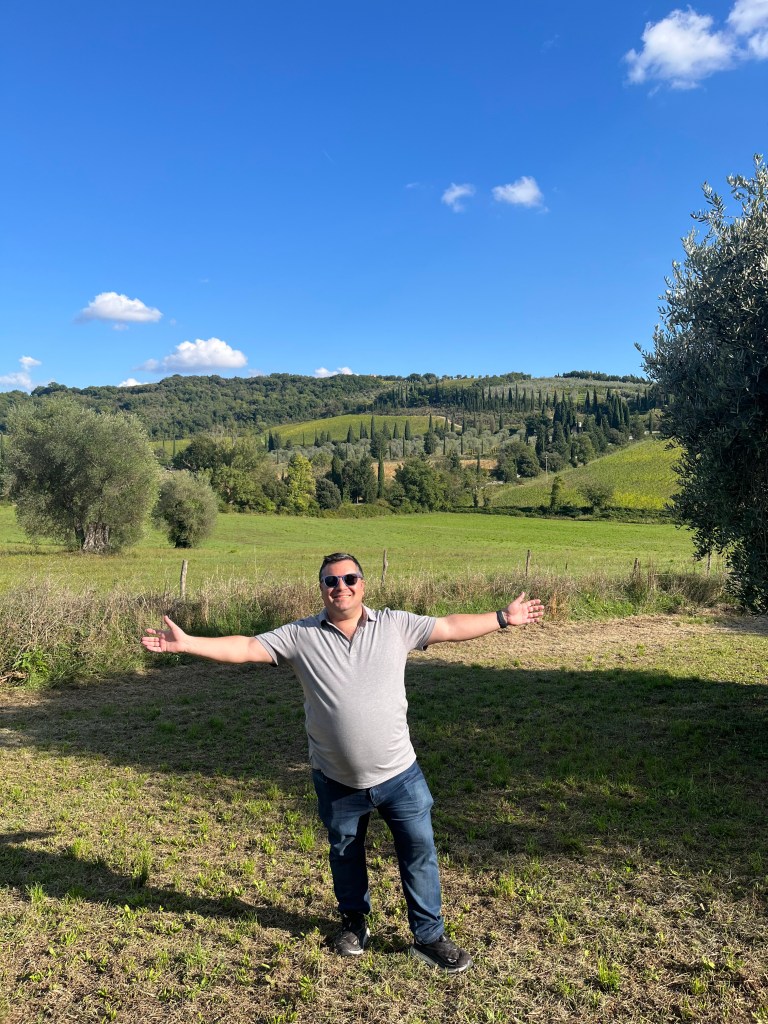
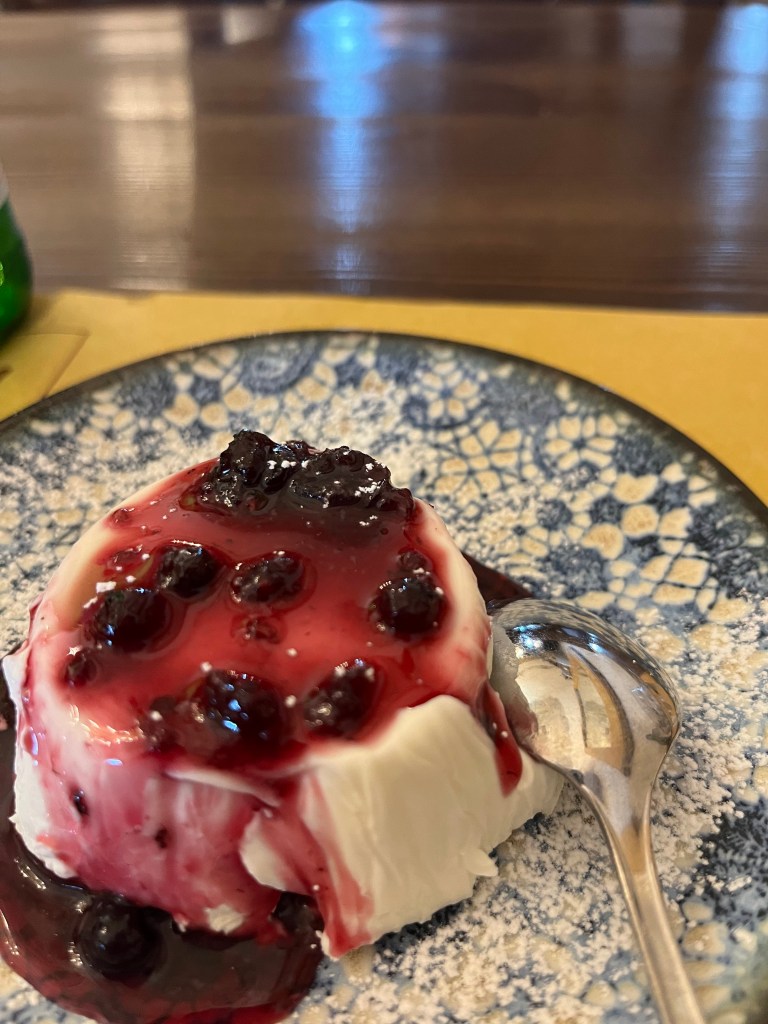
Feeling more buoyant after my visit to the Great Synagogue of Padova and the Jewish museum, I headed south to Florence for a few days. Florence, like Bologna, is generally rather lefty and occasionally graffiti-filled. But to its credit, it’s pretty damn beautiful. Not only the art and architecture of the city, but also its stunning countryside. The countryside in particular was soothing, as the medieval villages were clean and not filled with graffiti and fortunately trees can’t hate Jews. Here are some pictures from my travels in the area:
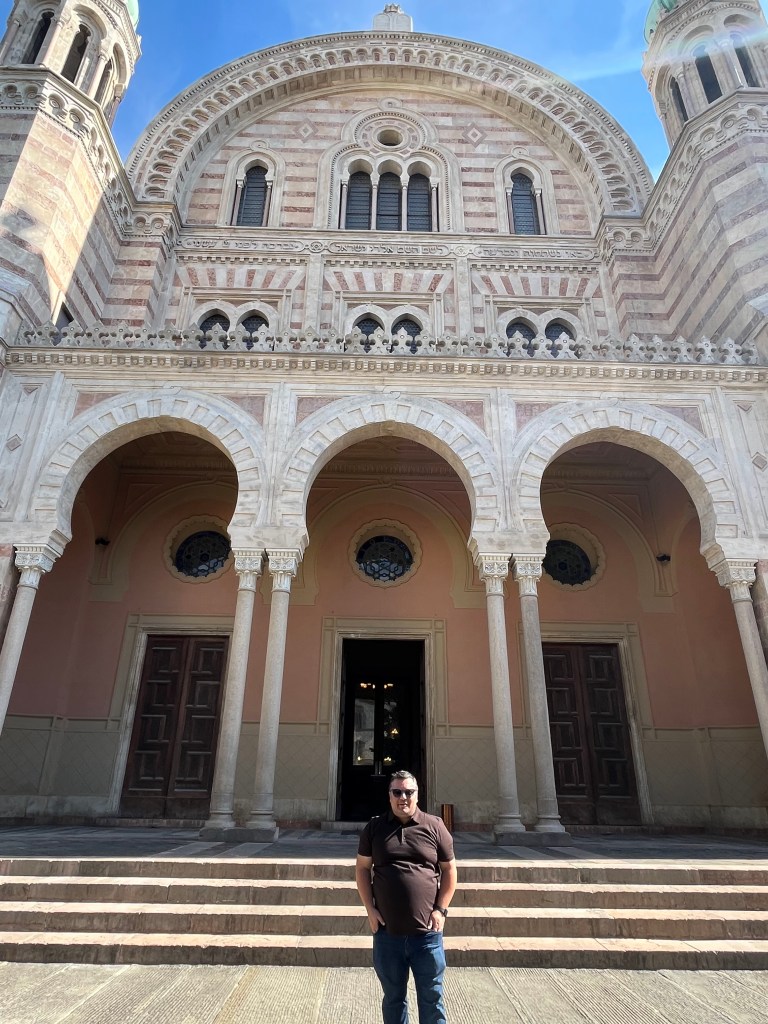
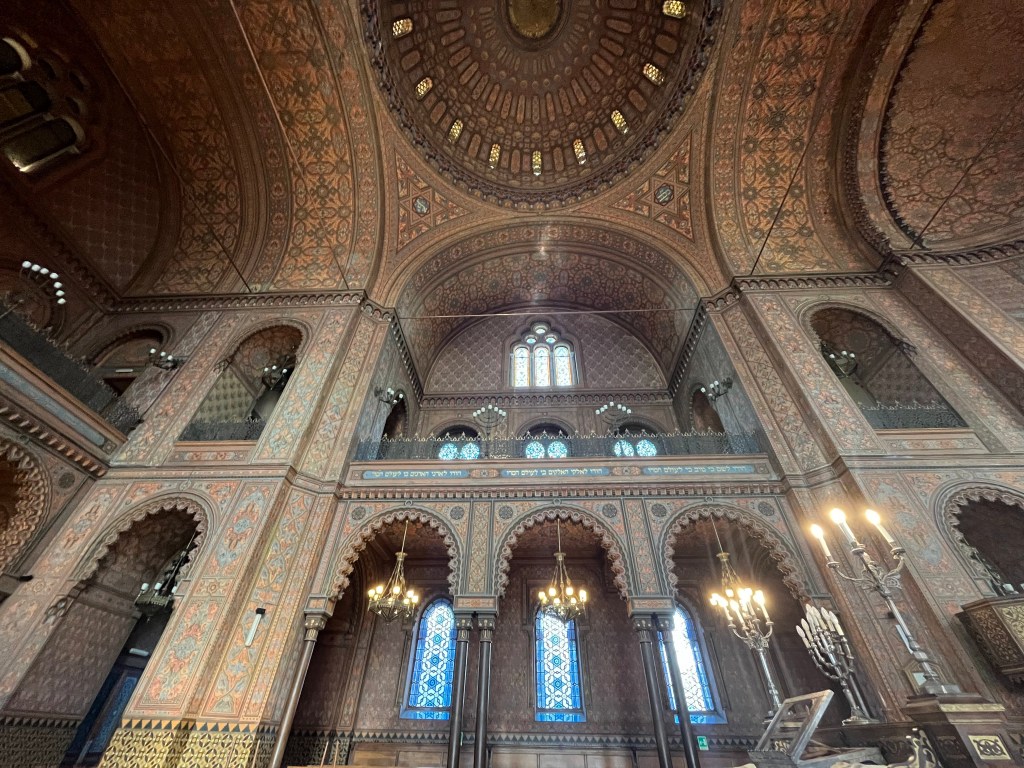
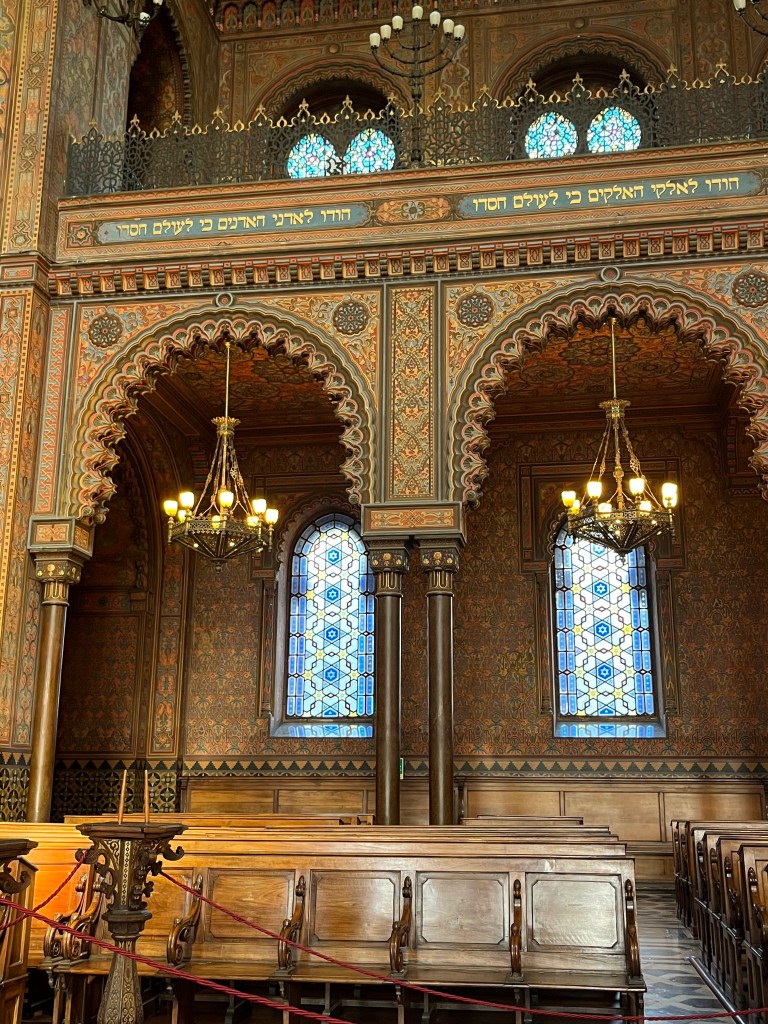
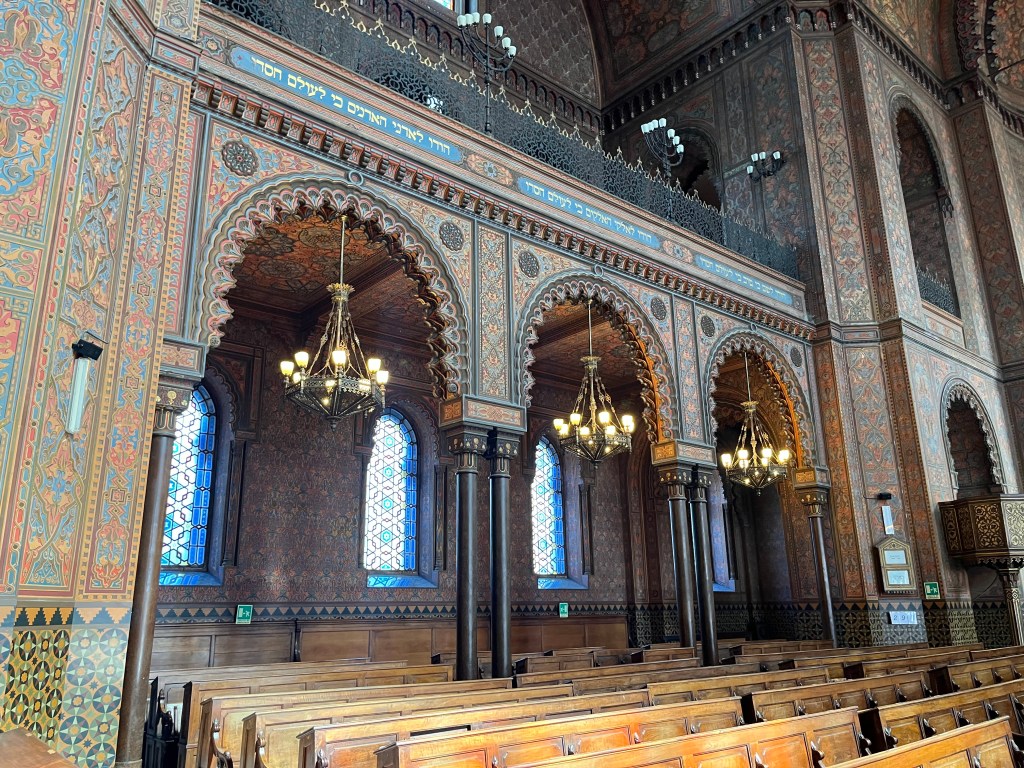
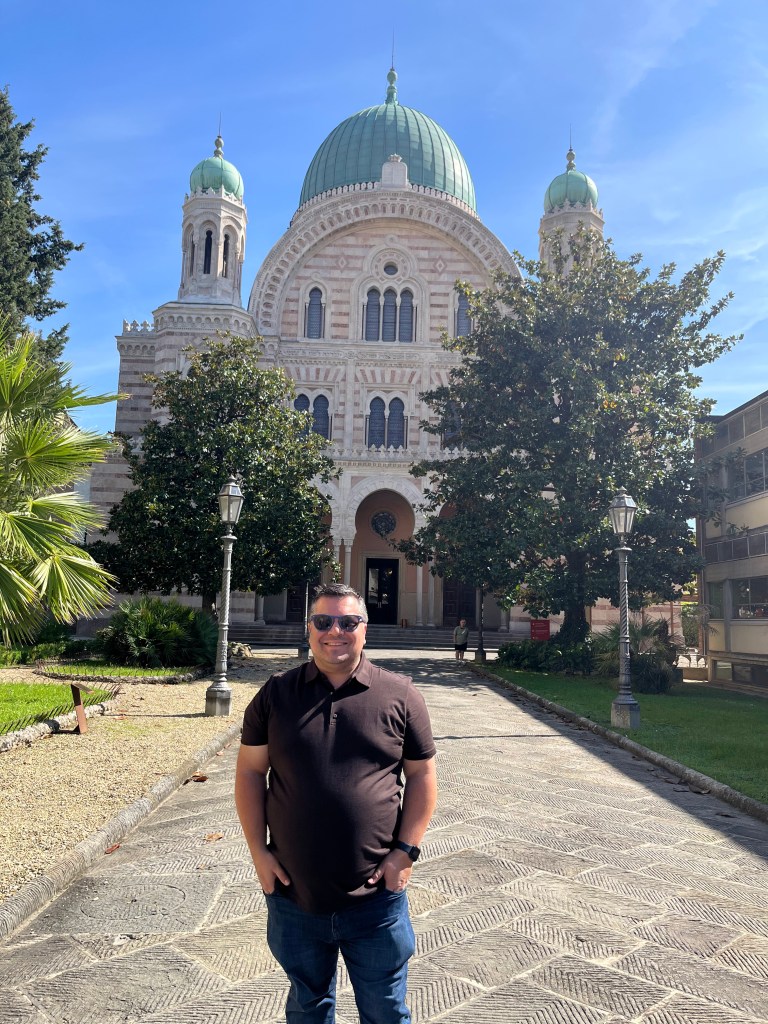
Florence and its Jews have a long history of ups and downs. The famous Medici family at times was very welcoming of Jews and helped them build quite a spectacular community. I got the chance to take a Jewish tour of Florence and learned a lot about the history of the community. The community, many hundreds of years old, lost half its members in the Holocaust between Italian fascist persecution and the Nazi invasion of the country. Its Great Synagogue and museum are absolutely worth a visit as well. Here are some pictures of the synagogue:
Perhaps my favorite part of visiting the synagogue besides the architecture was the chance to chat in Italian with the non-Jewish cashier and her friend in the museum bookstore. I speak intermediate Italian (with an occasional Spanish word thrown in) and they loved it! They were really touched that a non-Italian would learn their language, especially since among Romance languages it’s certainly less popular than Spanish or French, for example. We had a great conversation about Jewish life in Italy and Florence in particular. It was a beautiful moment that reminded me of the good in people. That while graffiti may be irritating and uncomfortable, it doesn’t represent everyone.
My last major stop on my trip was Venice. I had never been before and boy was it stunning. I stayed in Cannareggio, a historic area near the Jewish Ghetto and much quieter than the main touristic parts of the city, which was a true blessing.
Sadly, my travel plans to Venice got disrupted by a massive, 24-hour countrywide anti-Israel train strike and I lost about 700 Euros in having to change hotels and getting a new train ticket at the last minute from Florence. This train strike took place on Yom Kippur, making it even more offensive. I told my hotel manager that this was a real pain to deal with and his response was “pray for peace in Palestine”. Why a train strike in Italy would bring peace to Palestinians (or Israelis for that matter – not that they were included in the hotel manager’s prayers apparently) is beyond me. All it did was make me angry and not want to come back to Italy any time soon. Train strikes are frequent there, which I suppose is just part of the culture. Why it needed to be about Middle East politics was beyond me. Unfortunately the train strike was accompanied by a massive two-million-person national demonstration in every major city, complete with kuffiyehs, violence against police and property, and malicious anti-Israel signs. I can’t imagine what it’s like to live in Western Europe as a Jew. It unfortunately calls on the resilience of the oldest Jewish community of Europe to withstand such ridiculous bigotry and hatred. An ancient hatred renewed in modern times.
Once the rallies died down and the strike was over, I got to enjoy Venice. I traveled with a friend from the States who was also Jewish which was really comforting during this challenging part of the trip. My friend, perhaps a bit scarred by our experience with the anti-Israel strike and protestors, asked for a pseudonym to be used for this piece, which is understandable and incredibly sad. He was concerned that anti-Israel protestors might find him online and harass him. He was comfortable with me using the name “David” instead of his actual name.
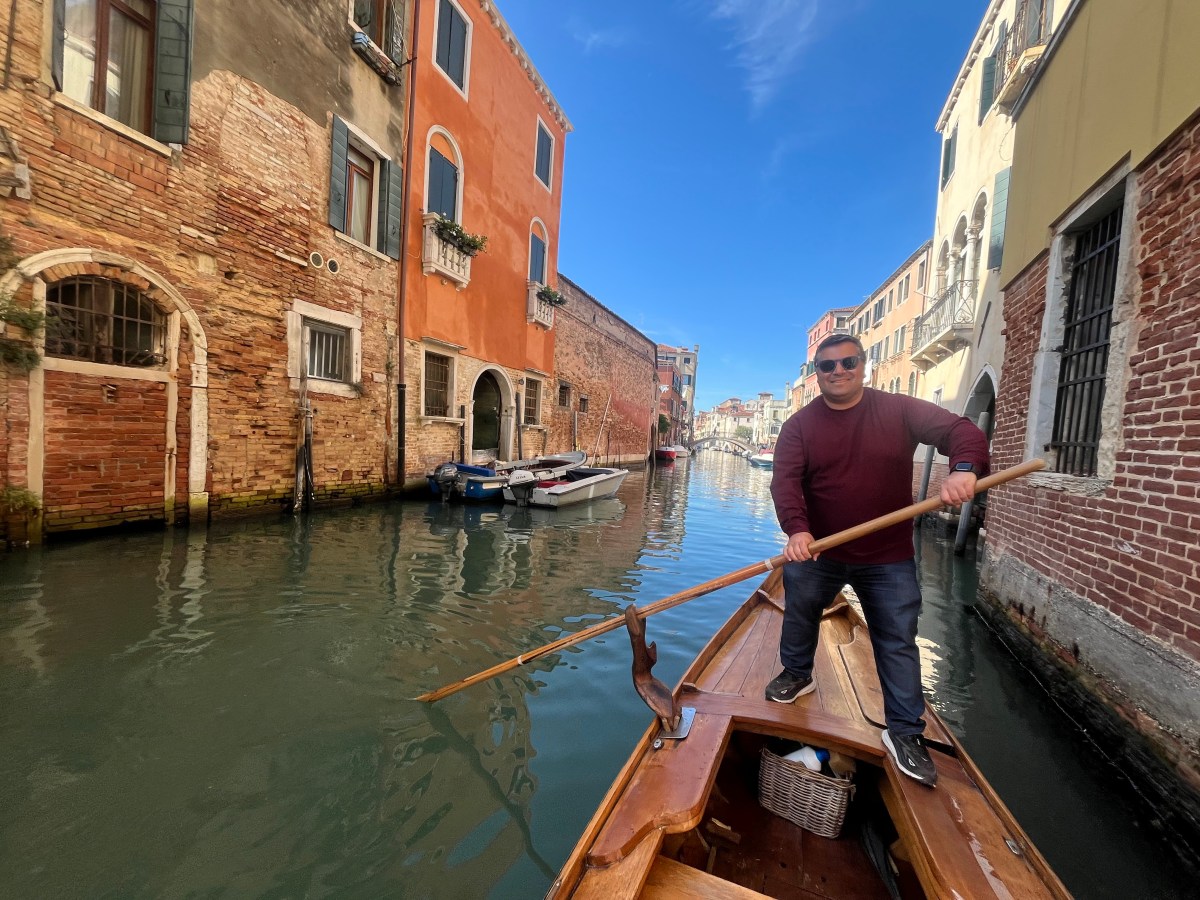
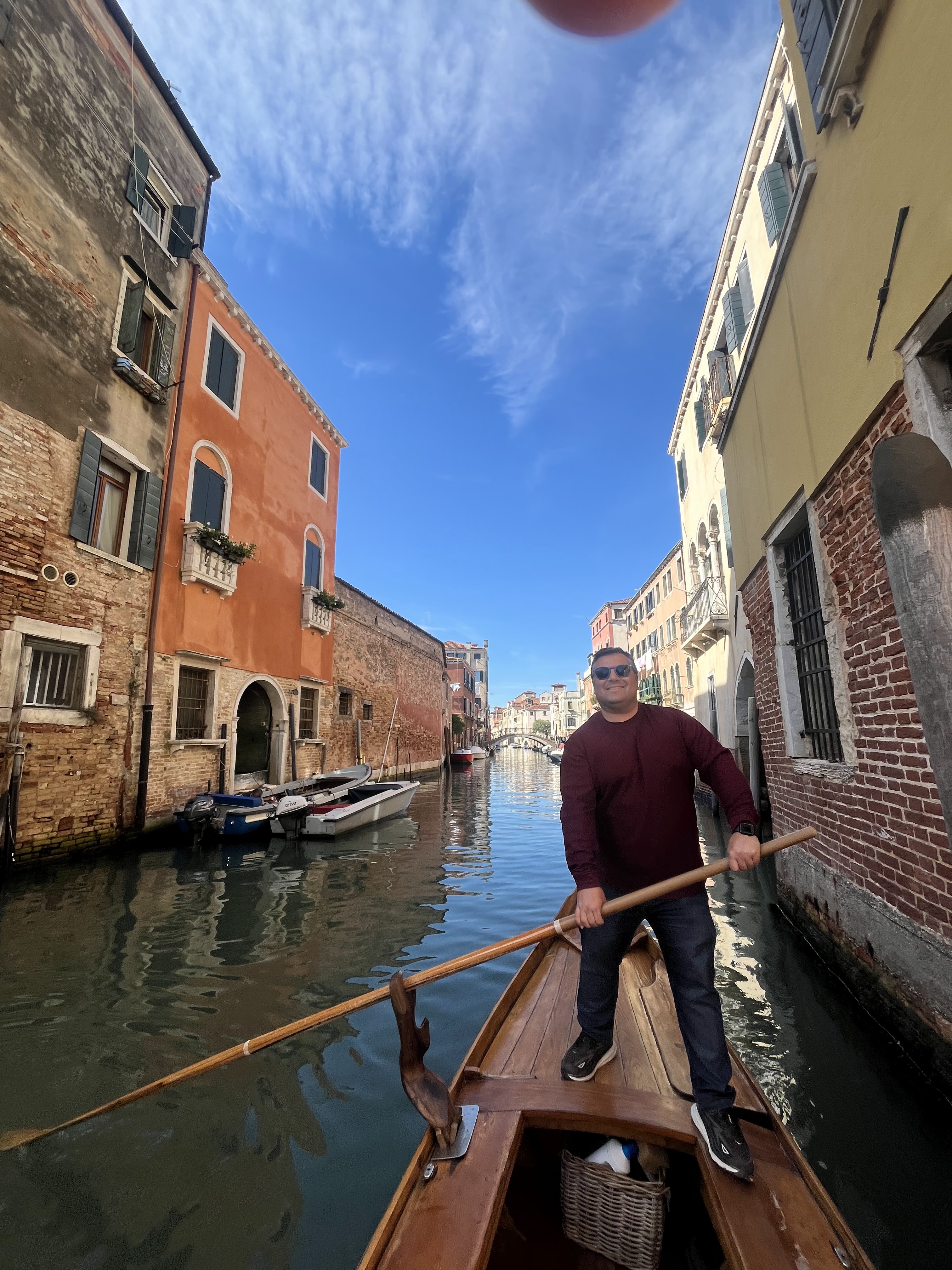
David and I did a lot of fun stuff. Venice is a city of the sea. I love being on the water. While David was busy doing some other stuff, I actually had the chance to take a gondola rowing class with Row Venice! It was a fabulous way to see the city and the teacher taught me some of the history too.
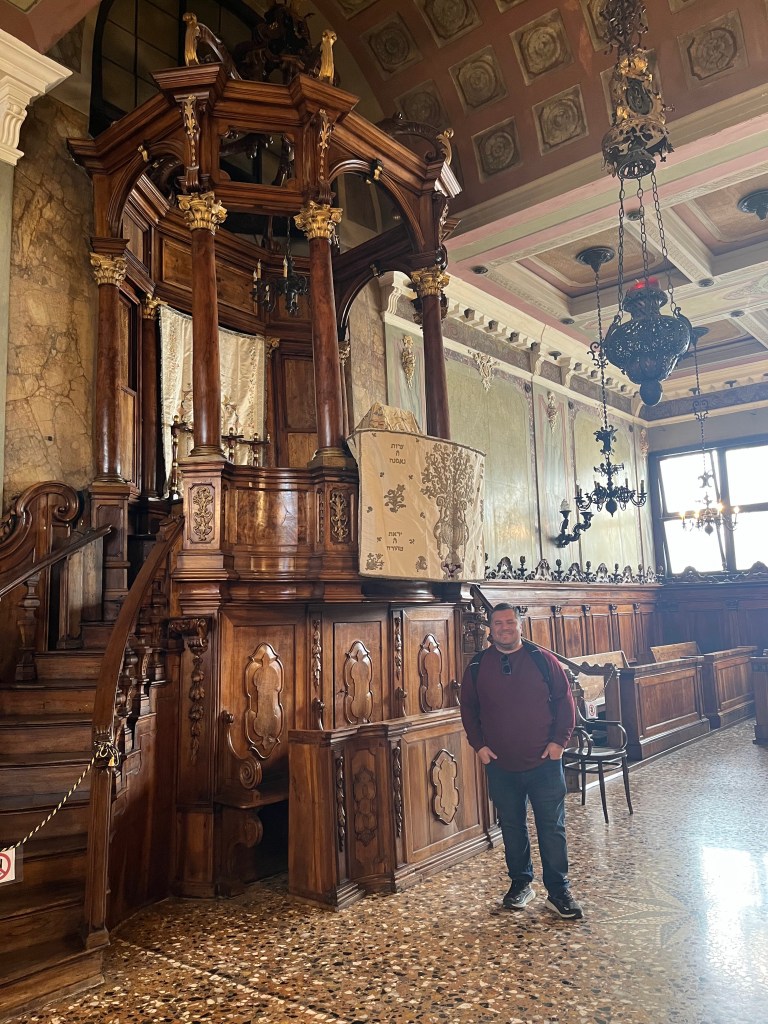
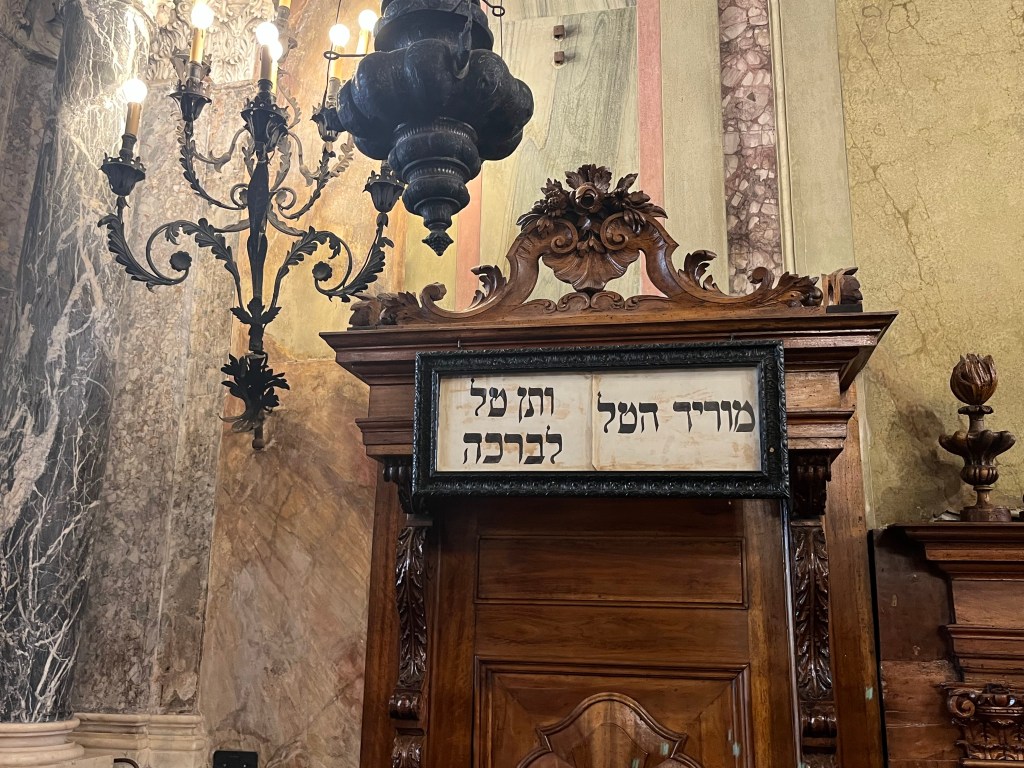
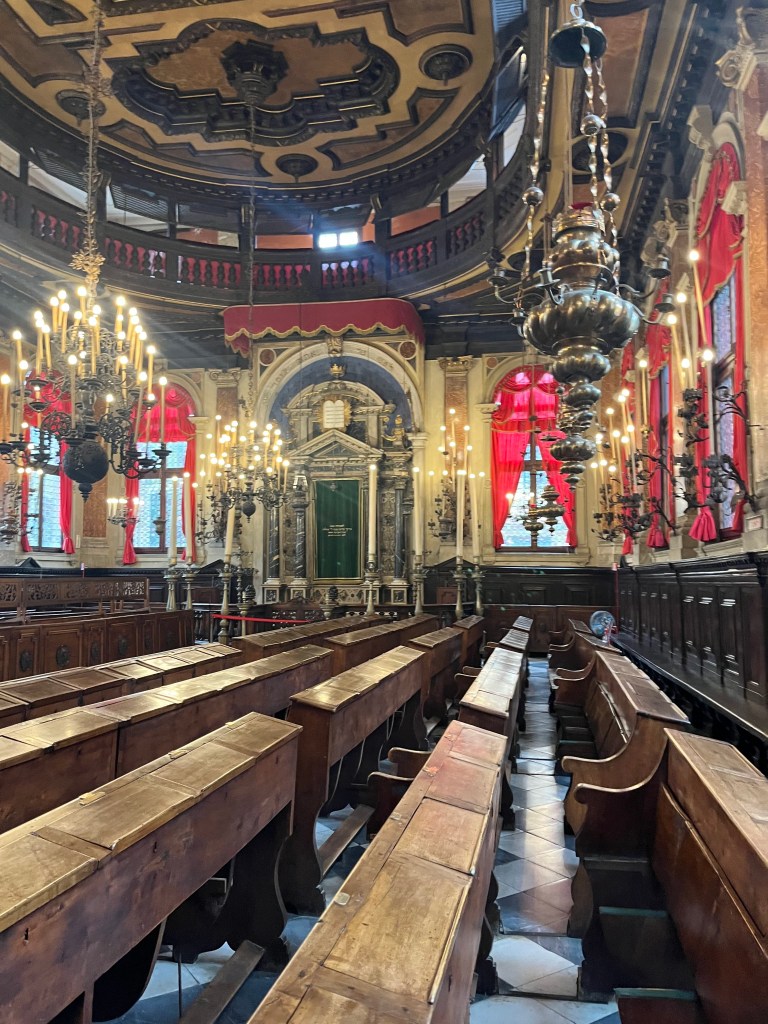
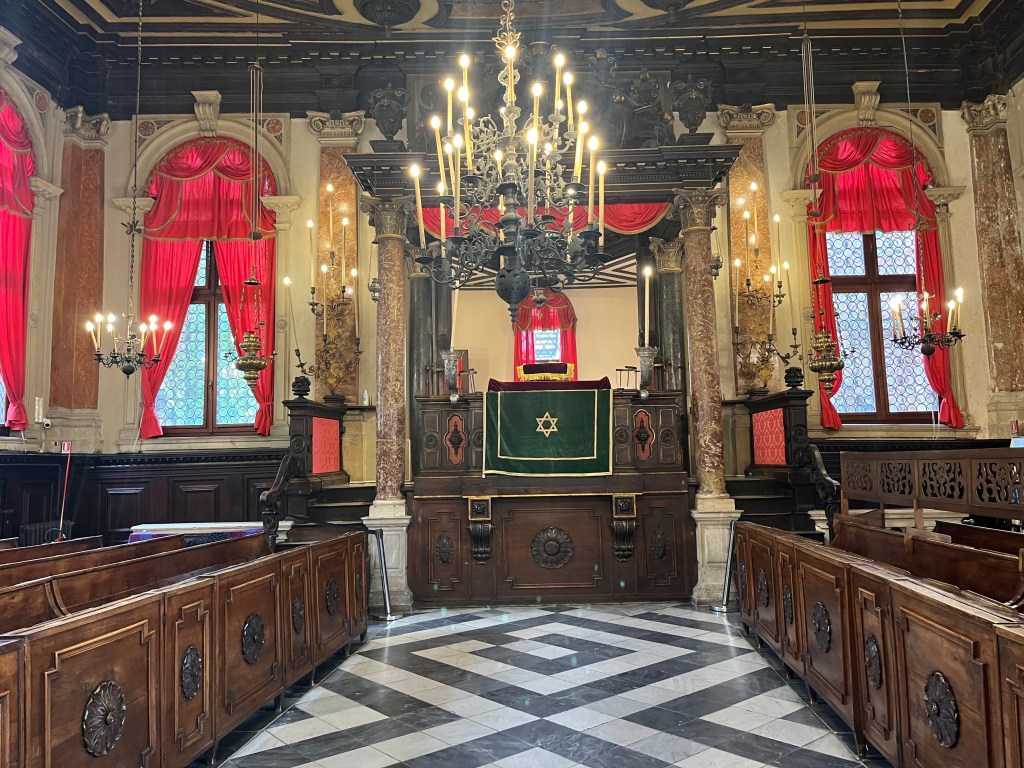
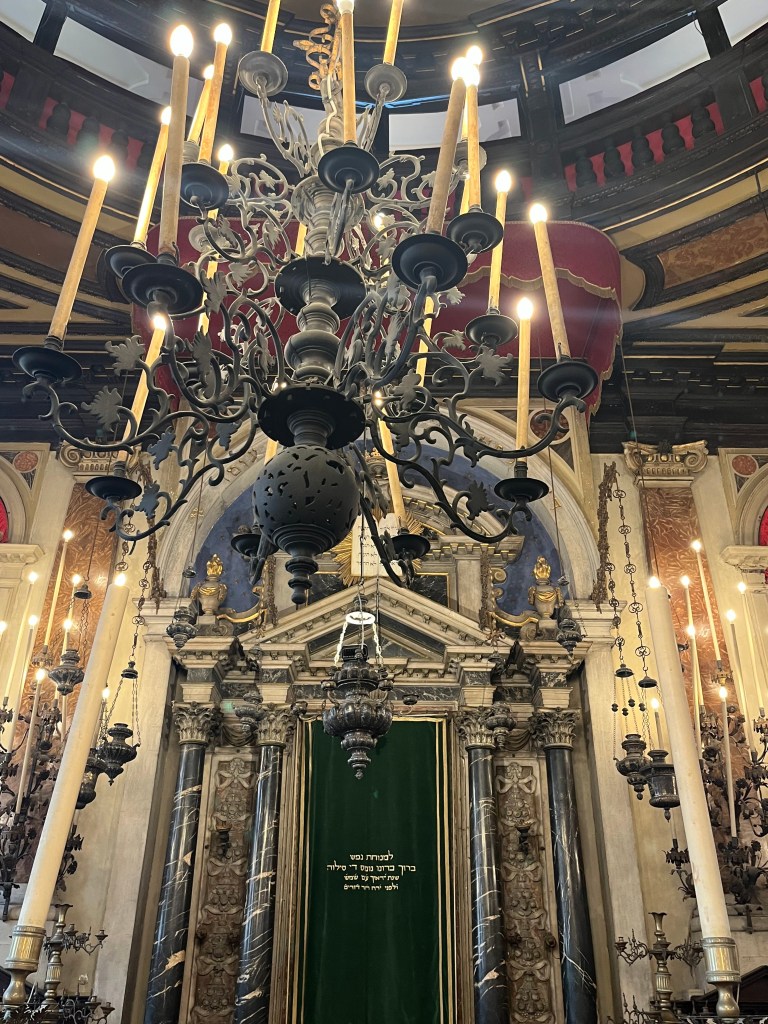
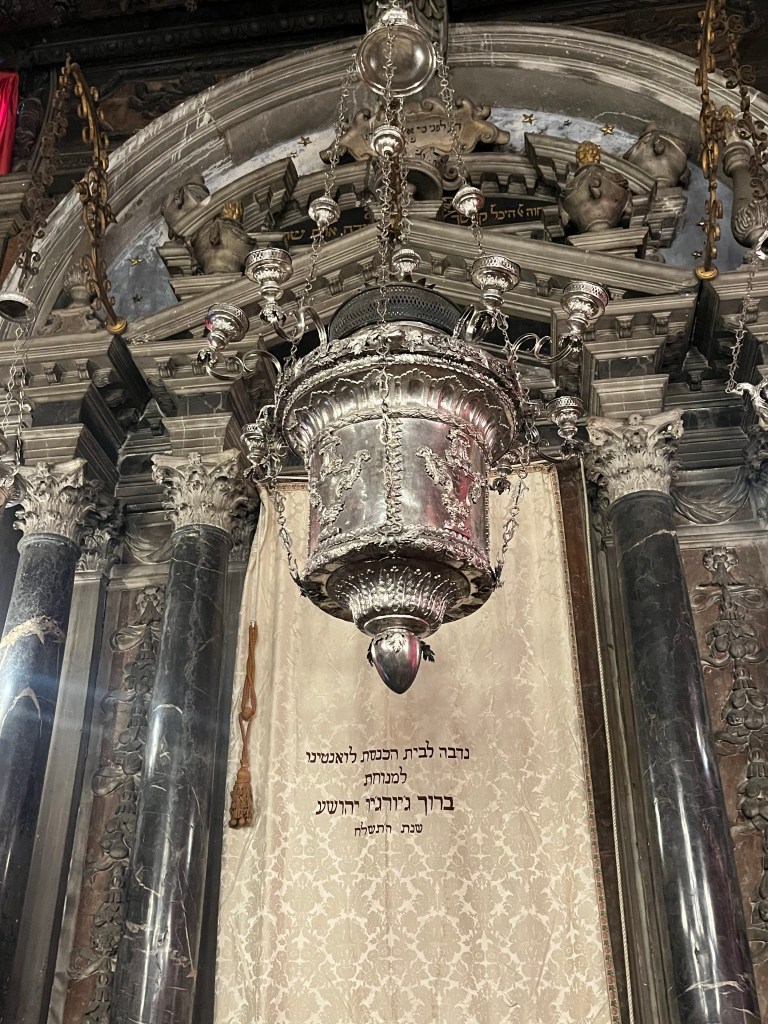
In addition to the typical Venetian tourist activities (I highly highly highly recommend a visit to the exquisite Doge’s Palace!), we got a chance to take a guided tour of the Jewish Ghetto. We loved our tour guide! You can book it here. The two synagogues we got to see were stunning. Learn more about the community’s storied history here. And here are some pictures below too!
One of the highlights of visiting the Venetian Jewish Ghetto (where the word “ghetto” actually comes from) was meeting members of the local community. I always love meeting Jewish brothers and sisters around the world and Venice was no exception. First, I went to the bookstore of the currently renovating Jewish Museum of Venice. The woman behind the counter was a member of the tiny Venetian Jewish community. She was so kind. I ended up buying a book about the Judeo-Venetian dialect (so cool!) and a book about Ashkenazi and Sephardic music from Venice. It was refreshing to talk to a Jew after seeing so much hatred on this trip. Perhaps finding community with our brothers and sisters and allies is a way of coping, a way towards resilience in these challenging times for our community around the world.
After the bookstore, I got some Judaica from a local store called Shalom. It was beautiful. For those of you who know me well, you might know that I recently moved to Atlanta. I’m excited to put up my new Murano glass mezuzahs I got at Shalom in my brand new apartment as a reminder of the fragility and beauty of Jewish life.
After a fun, challenging, and beauty-filled trip to Italy, I was ready to board my plane to Atlanta. I had many fond memories of the Jewish communities, museums, rural villages, and canals I had visited. But most of all, I wanted to go home. Not because I dislike Italy. But because Atlanta is a safer place to be myself, a gay Jew, than Florence, Padova, Bologna, Verona, Venice – any of these stunning places. They are fabulous to visit and I’m so glad I got to experience new things on this trip. But there is a reason I moved from D.C. to Atlanta besides the rats in my old apartment. It is because in these days of polarization, Atlanta is a haven. It is a moderate and open-minded city where nine times out of ten, I feel like I can just be myself. I’m not surrounded by the hate-filled graffiti and protests of D.C. or certain parts of Italy. I’m surrounded by acceptance and love.
I’ll put up my new mezuzahs soon and will always carry a piece of Italy in my heart – the kind people who opened up to me, both Jewish and non-Jewish. And let the mean folks float away like a piece of driftwood floating down a Venetian canal towards the great lagoon. Far away from my life.
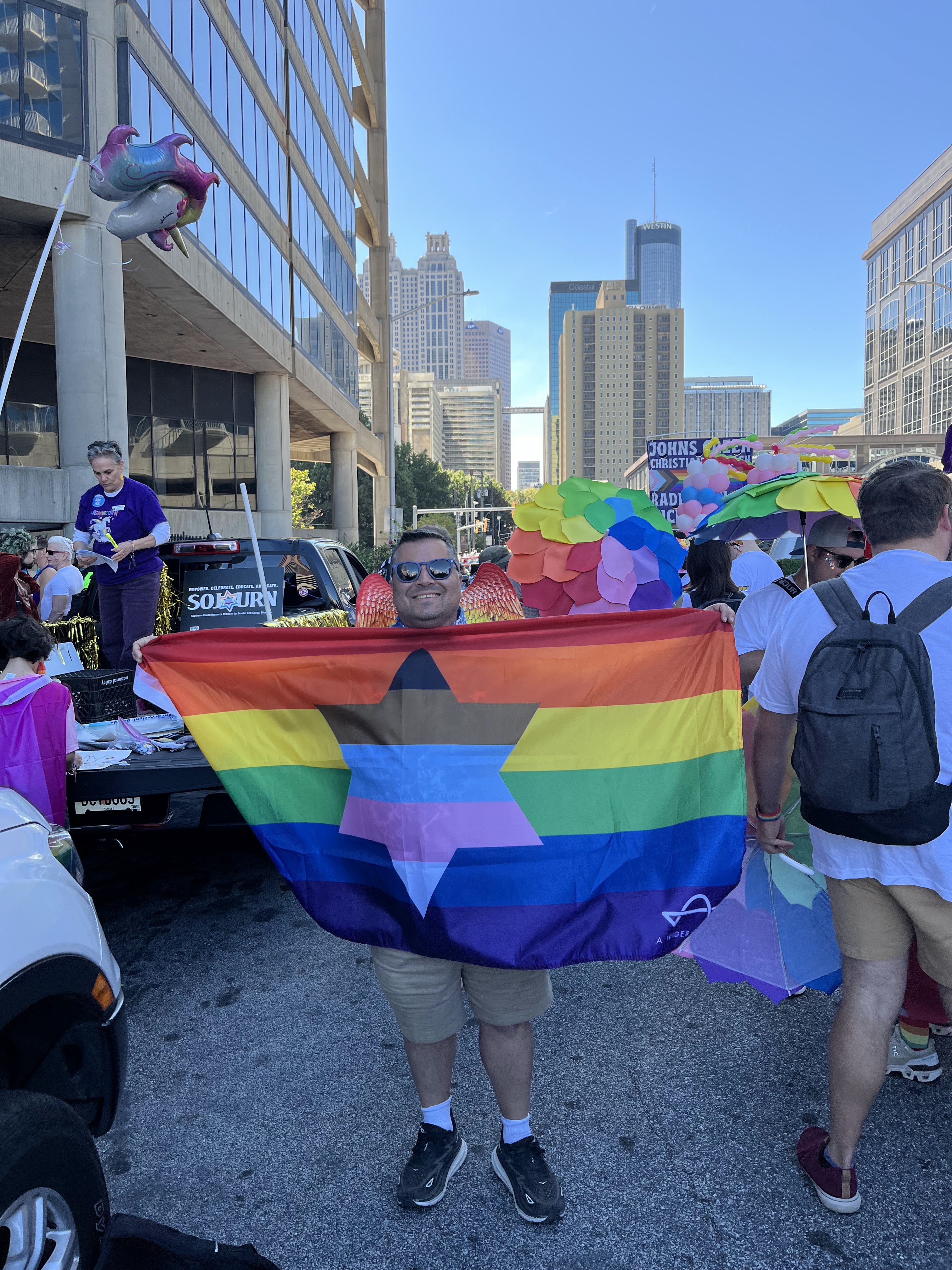
I’ll end with a picture of me marching proud with the LGBTQ+ Jewish community of Atlanta the weekend after I got back. Because there is no better antidote to hate than loving who you are. May we all get to know that acceptance and I hope for a better future for us all. Shanah tovah!





 Planting Roots Bearing Fruits
You must be logged in to post a comment.