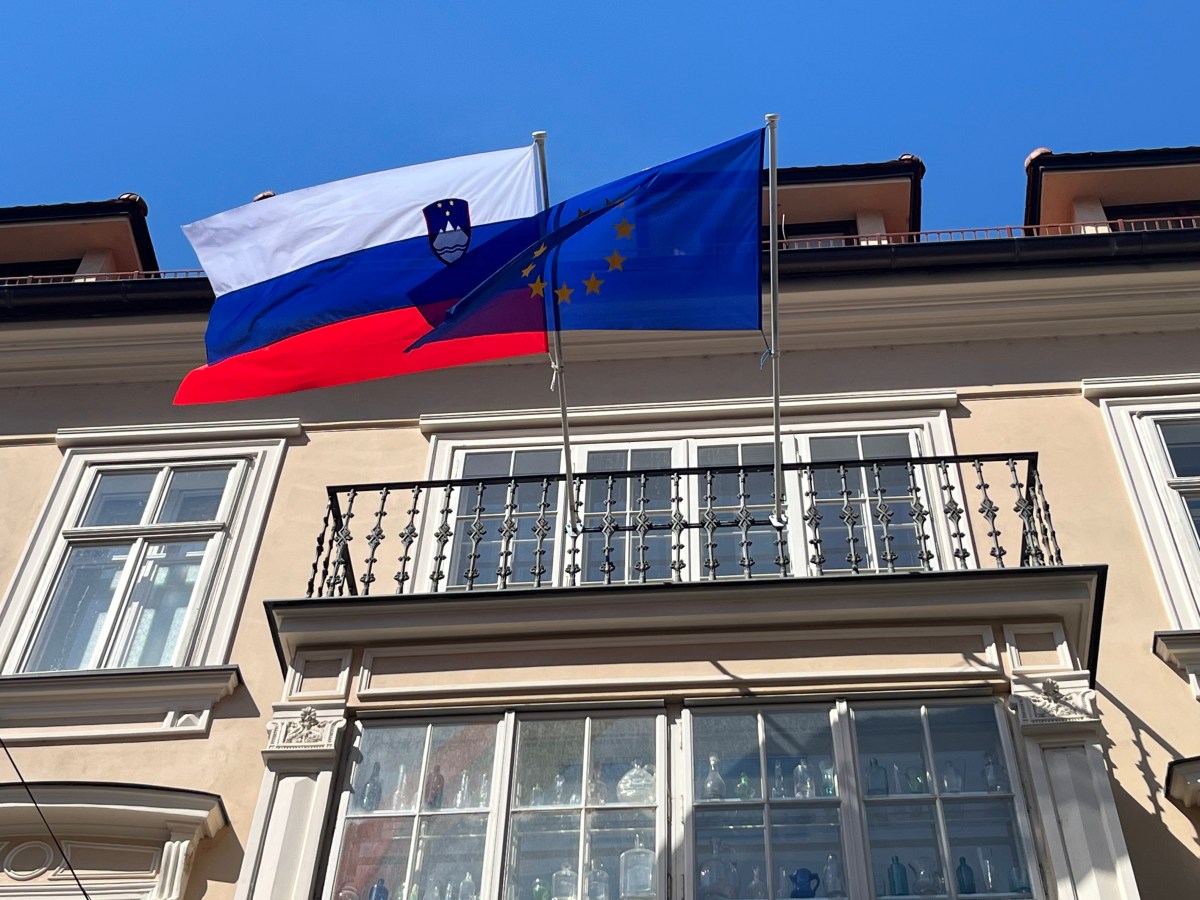
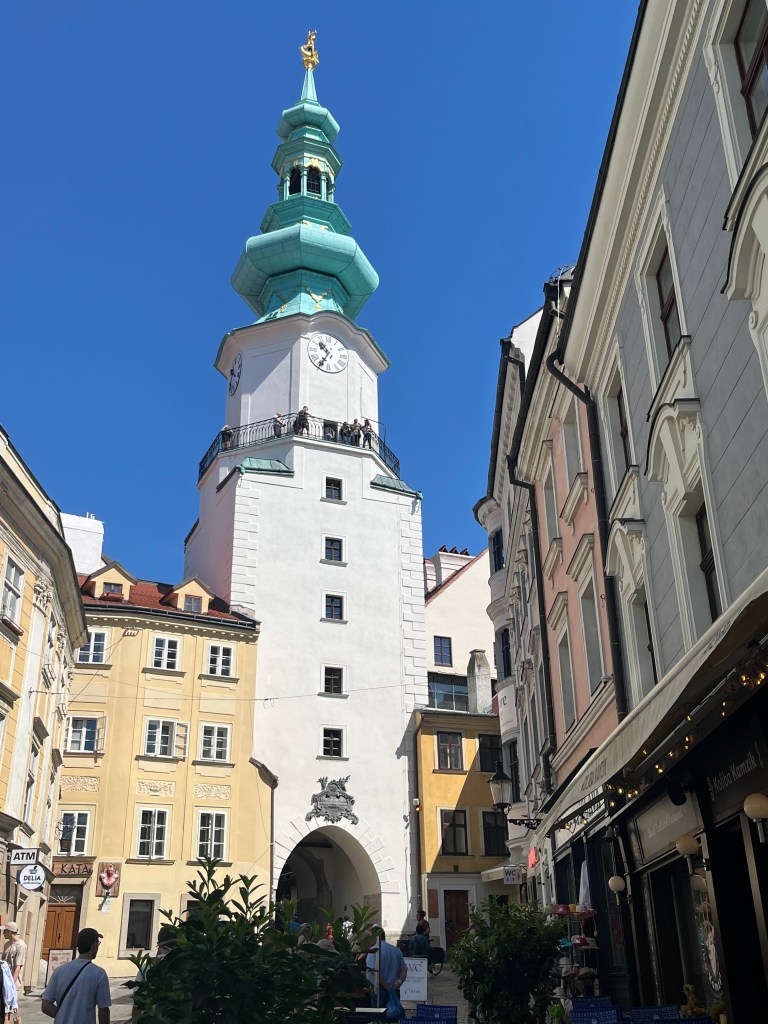
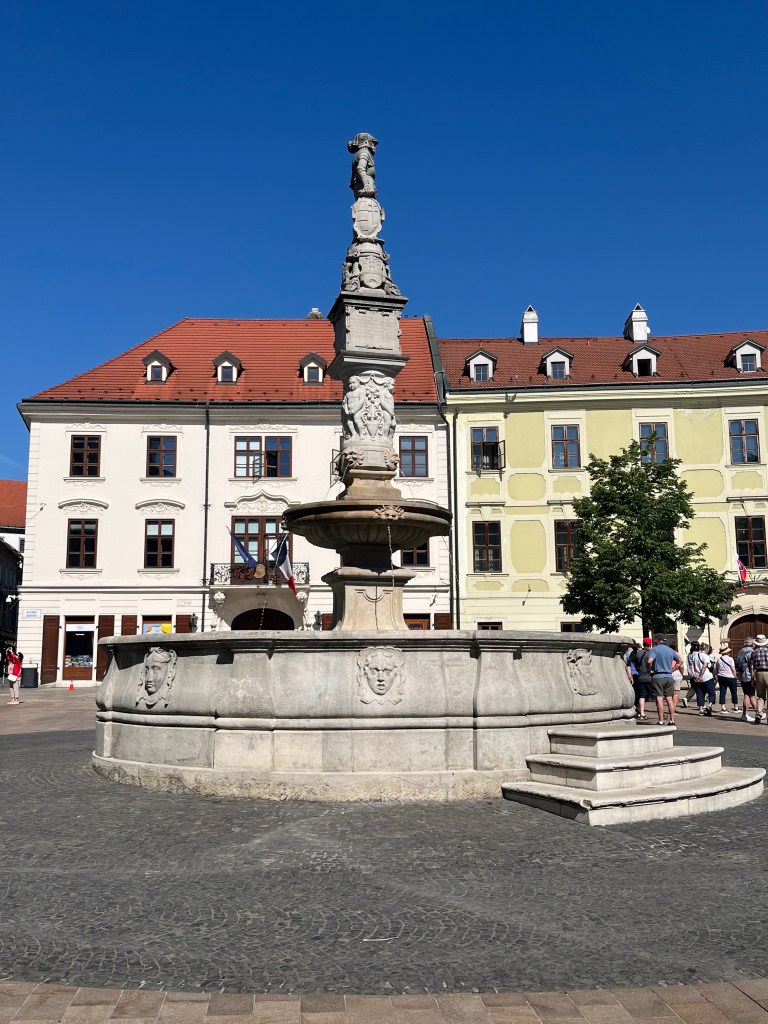
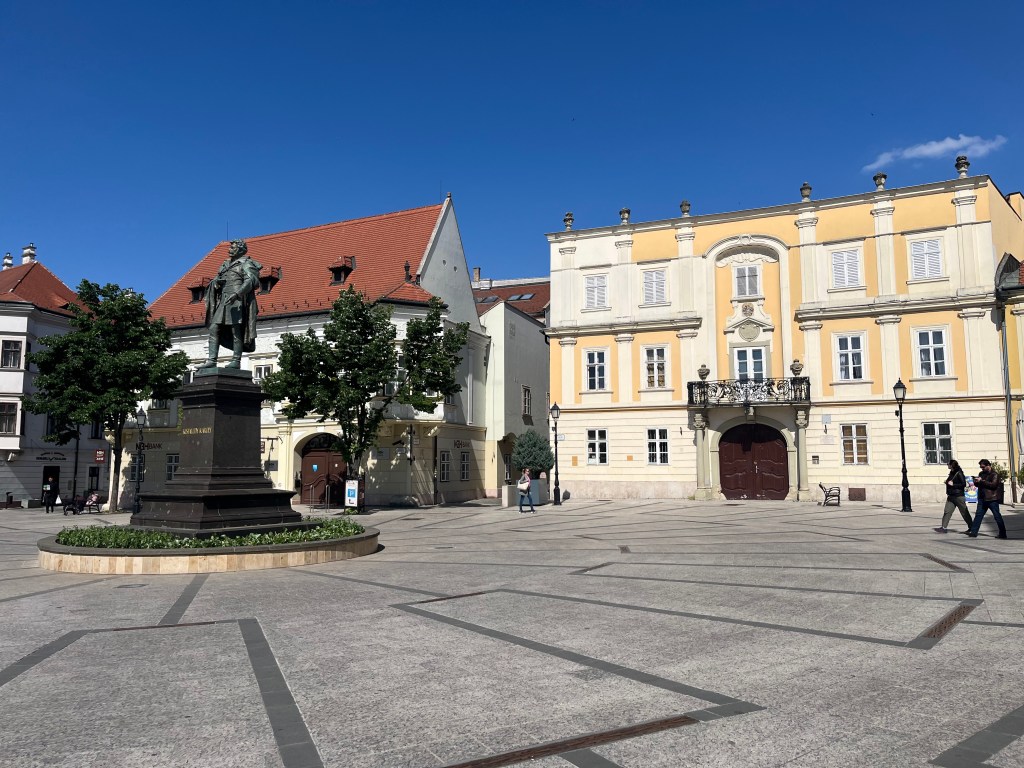
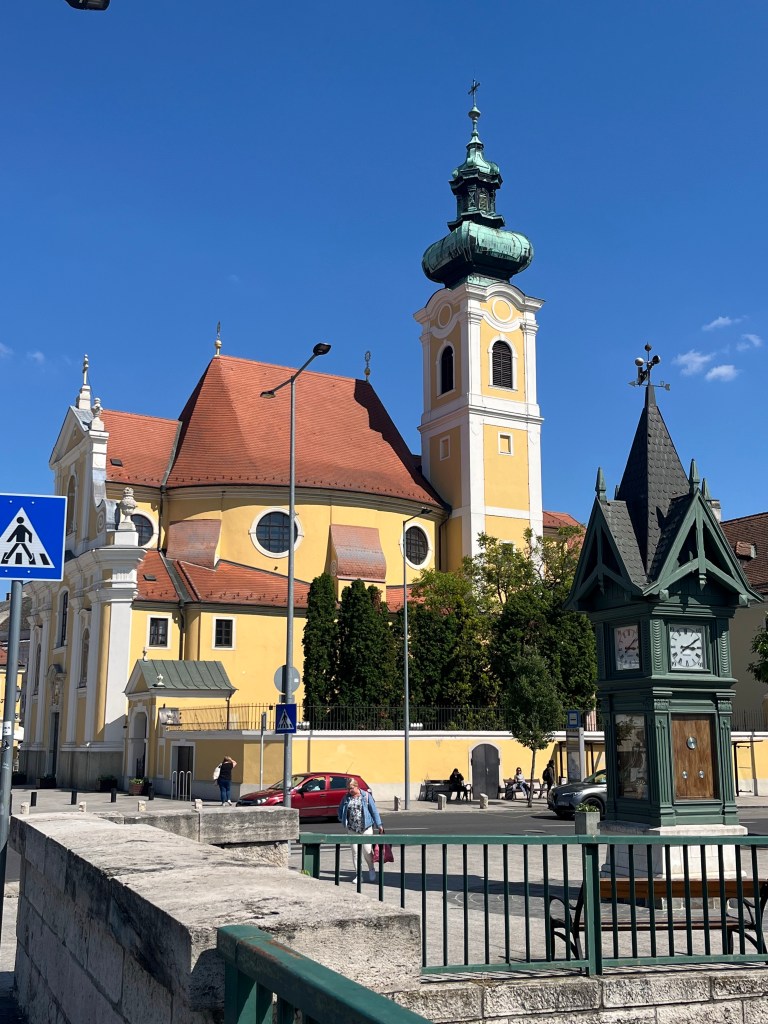
First off, Bratislava is a beautiful city. I had never been to Slovakia and wasn’t sure what to expect, but its cafes were cute, its churches elegant, and its vibe very chill. It makes for a great day trip from Vienna, where I was staying.
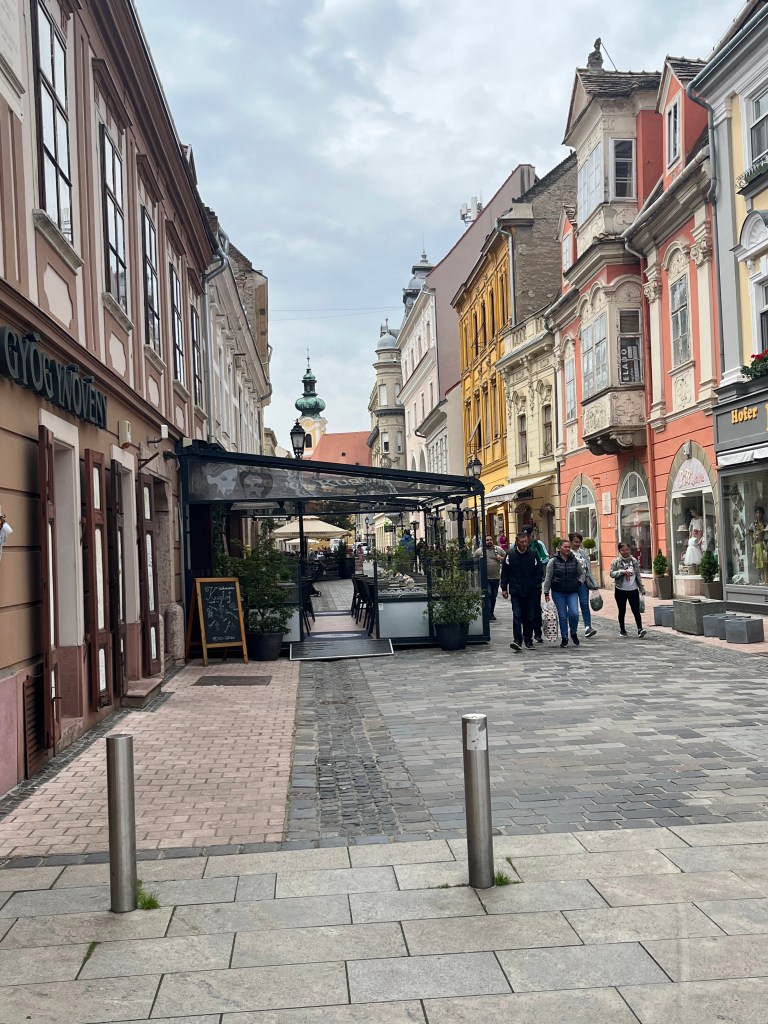
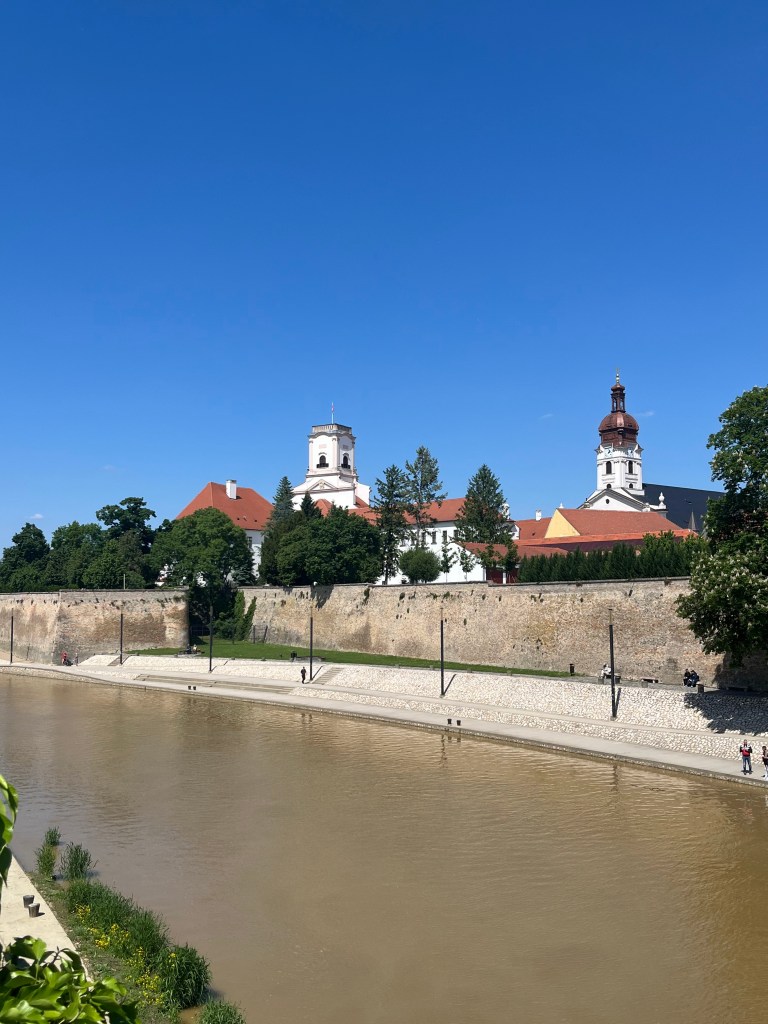
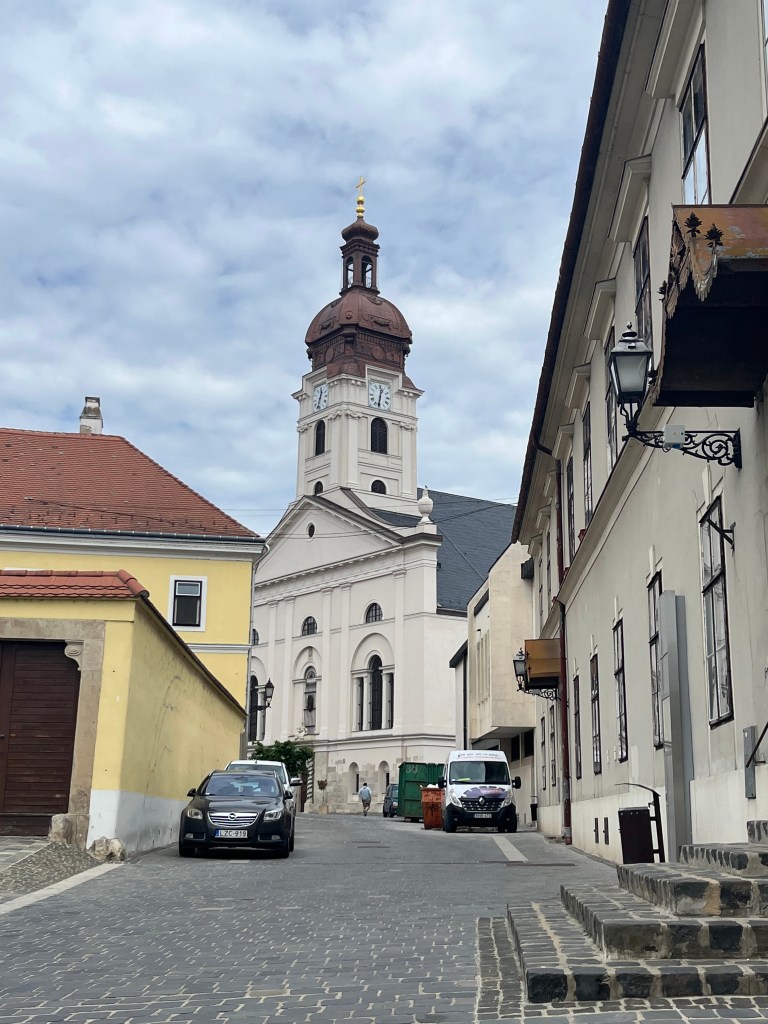
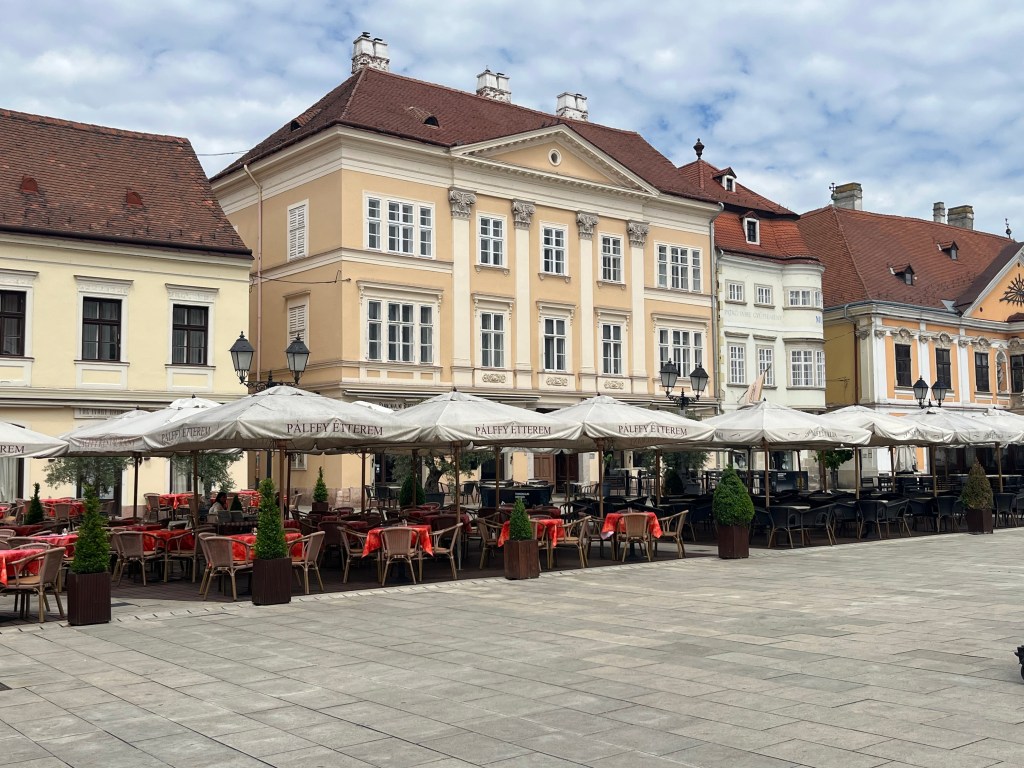
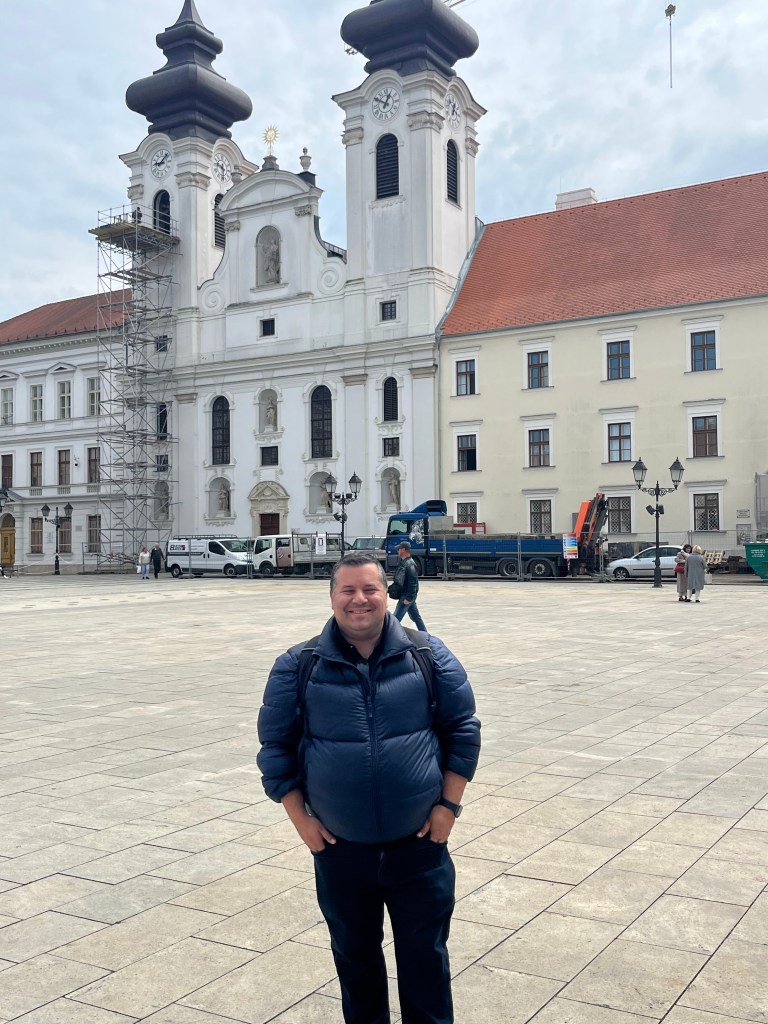
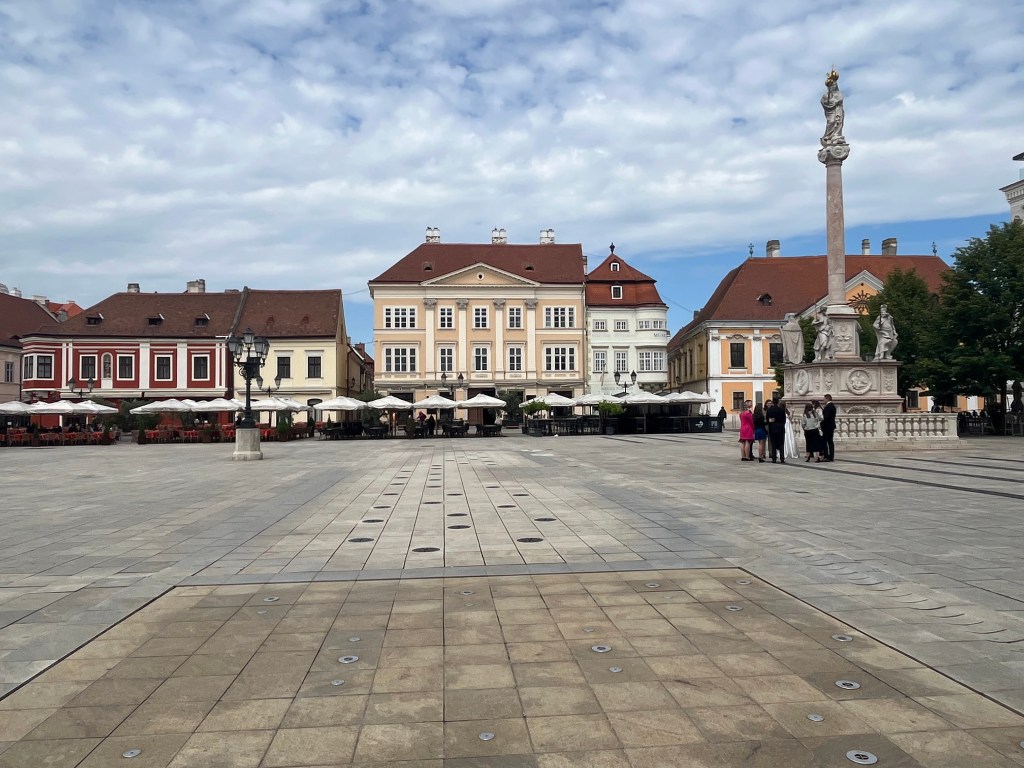
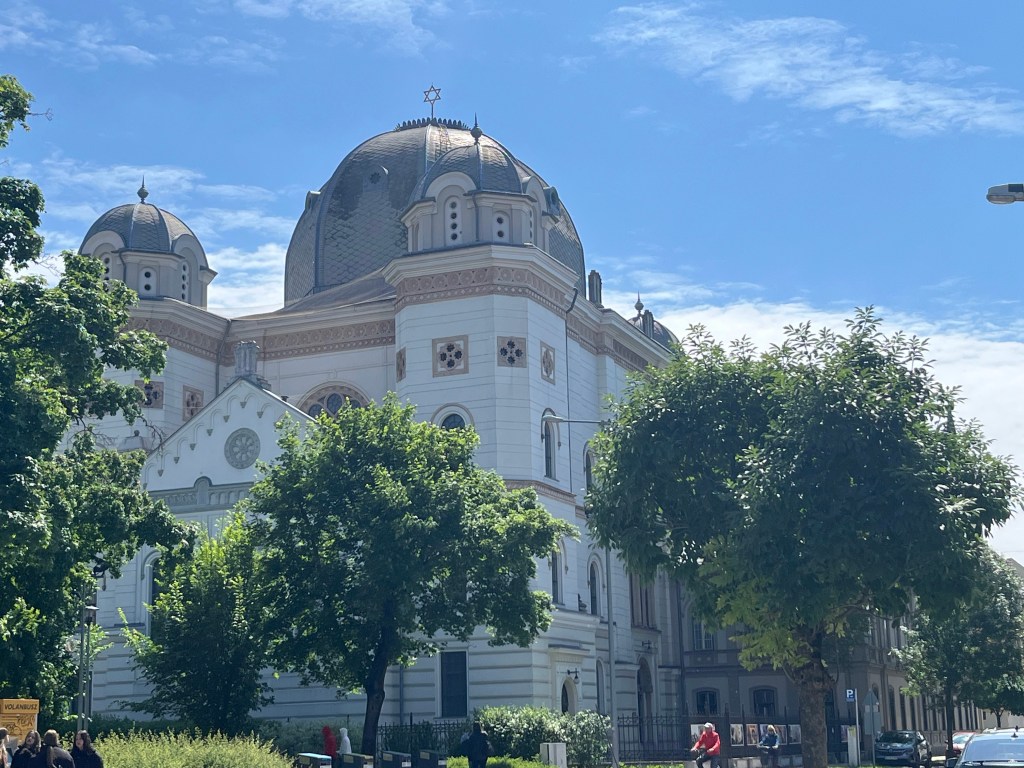
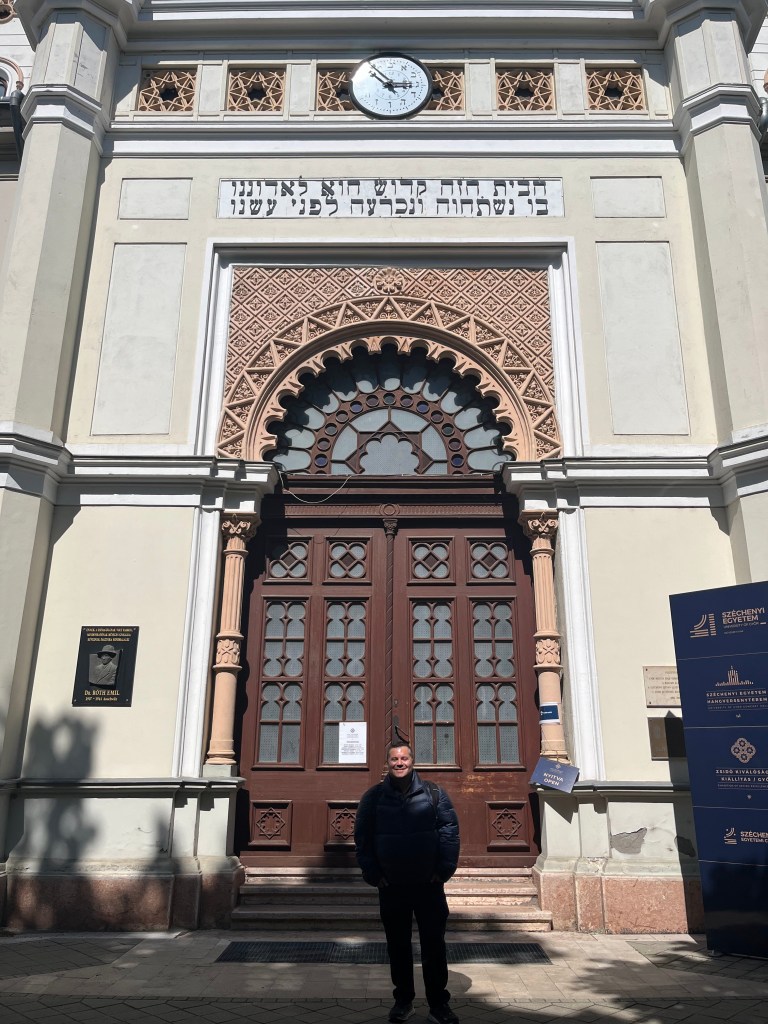
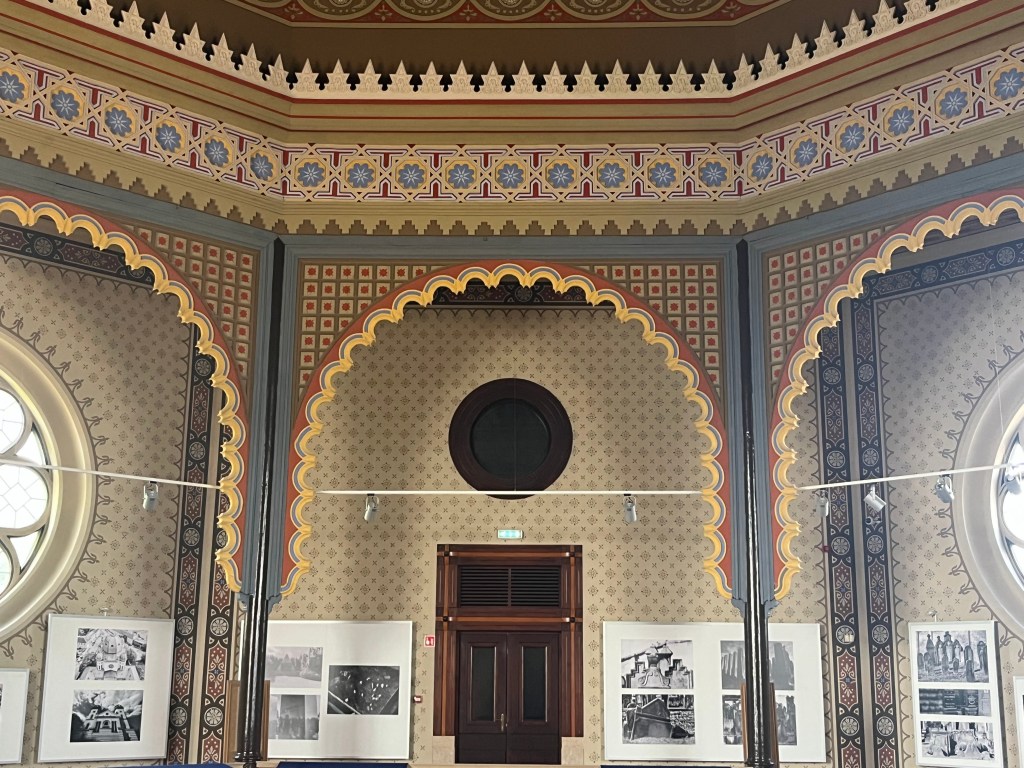
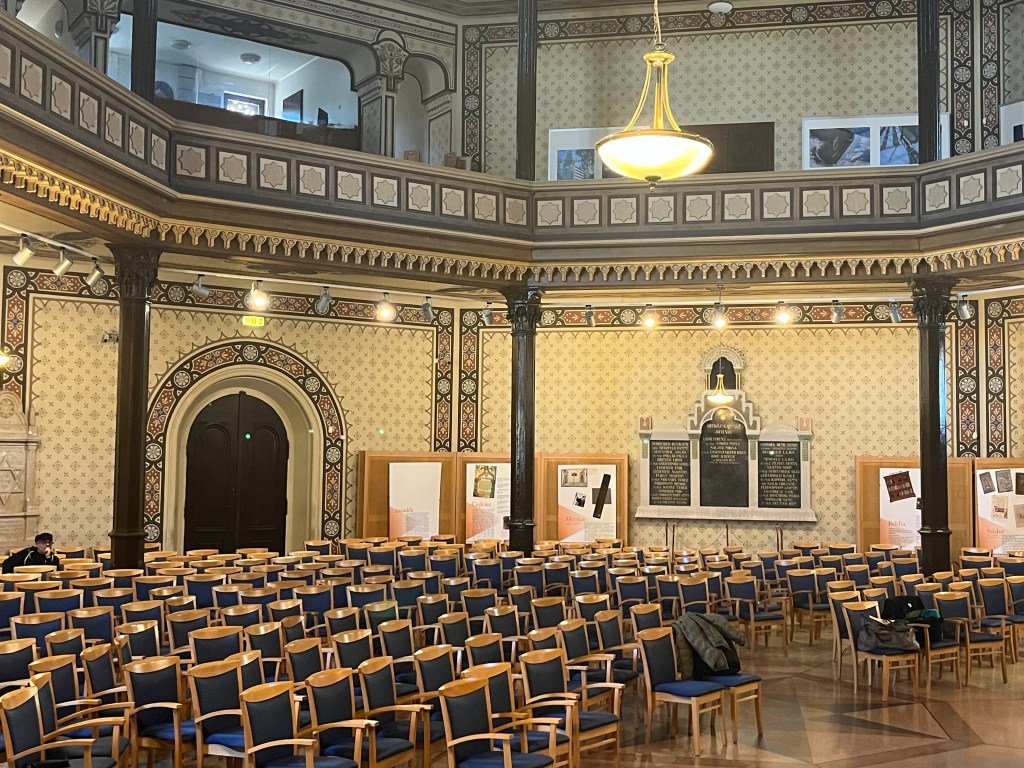
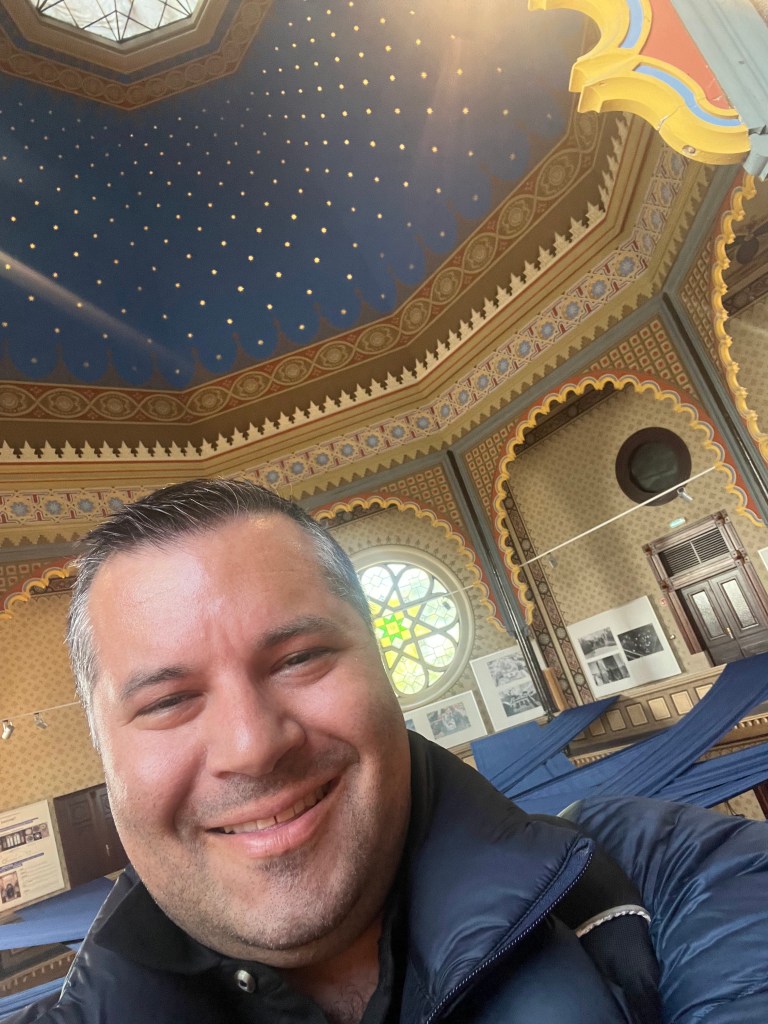
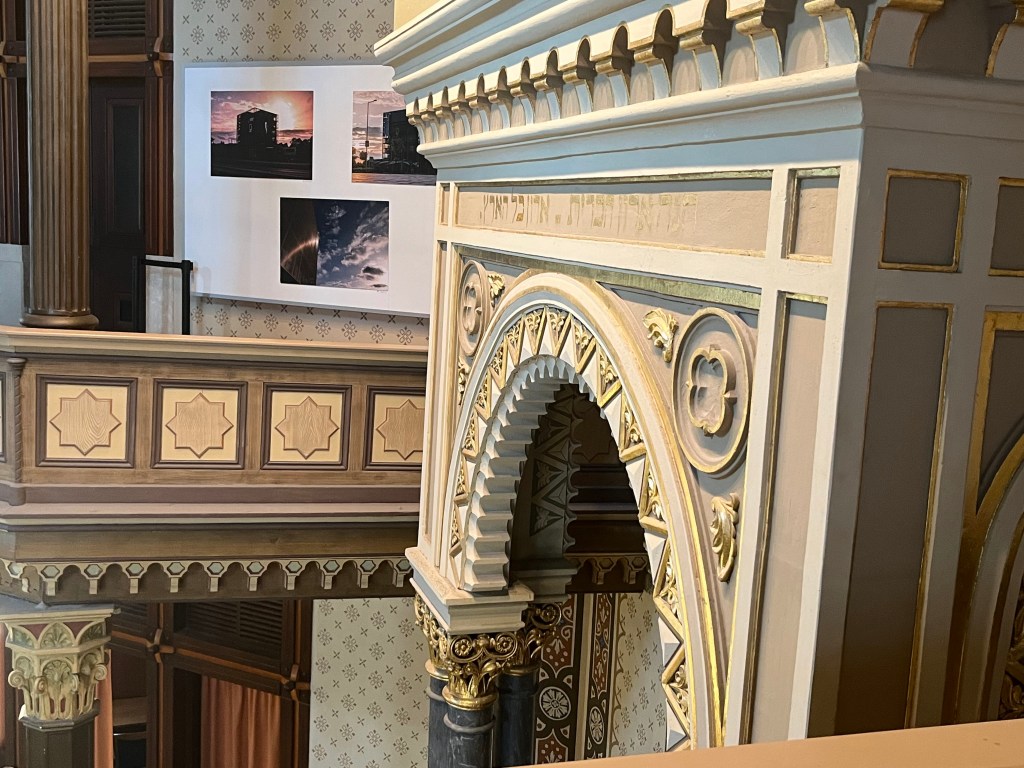
Here are some photos to give you an idea of what it looks like:

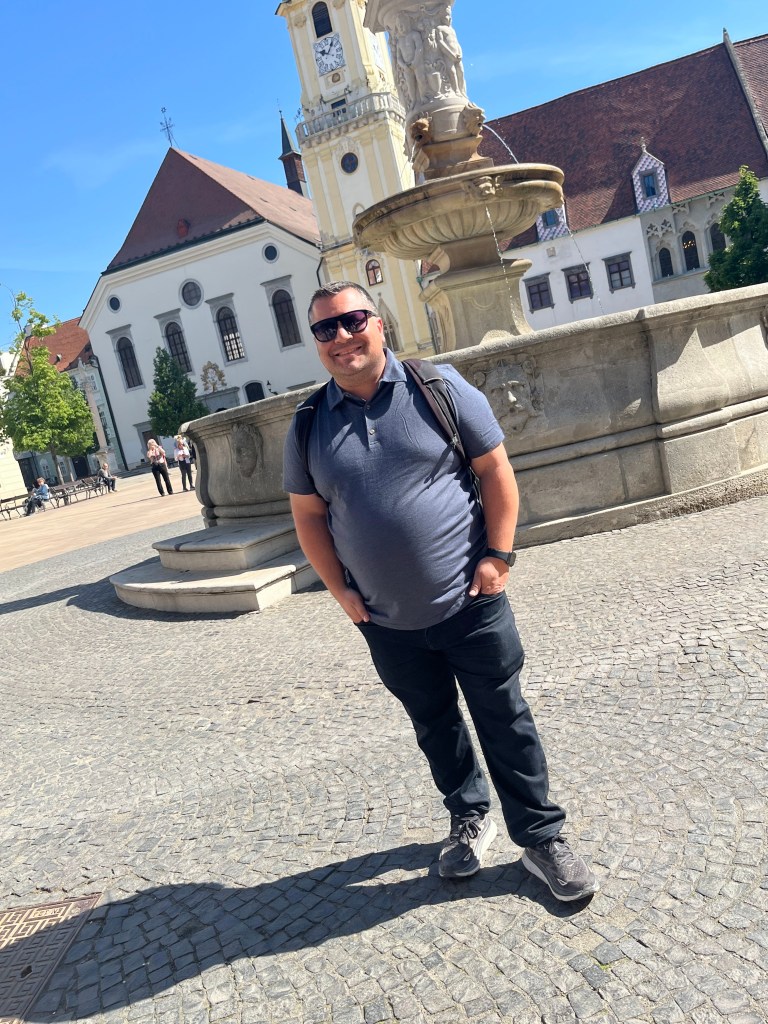
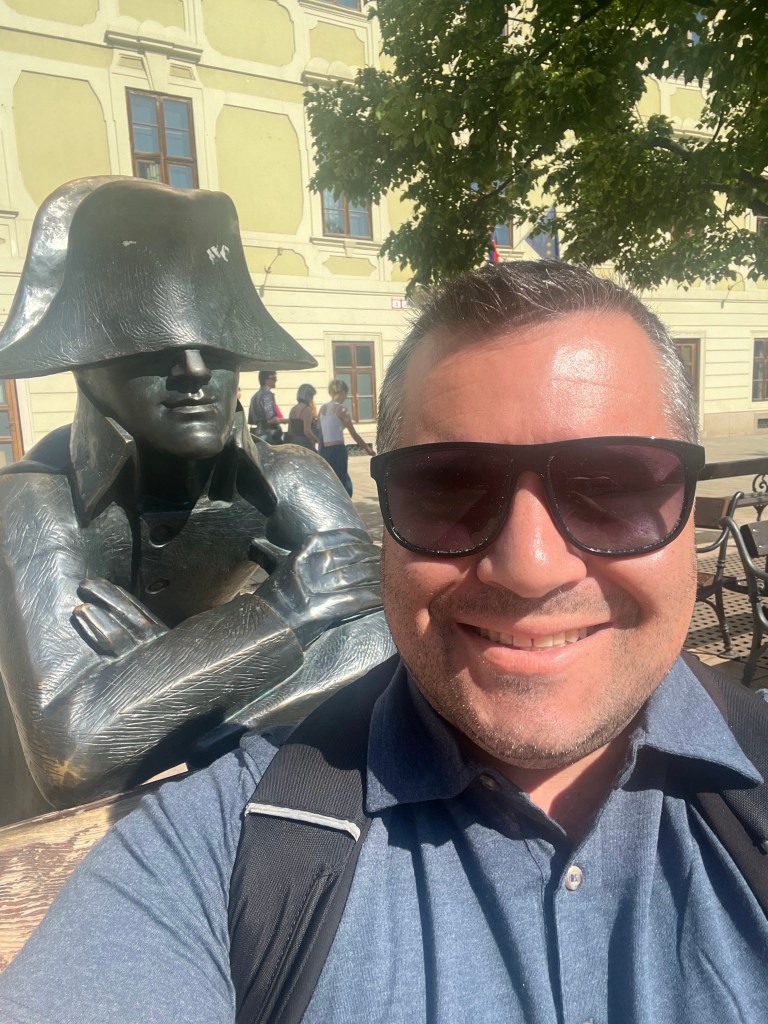
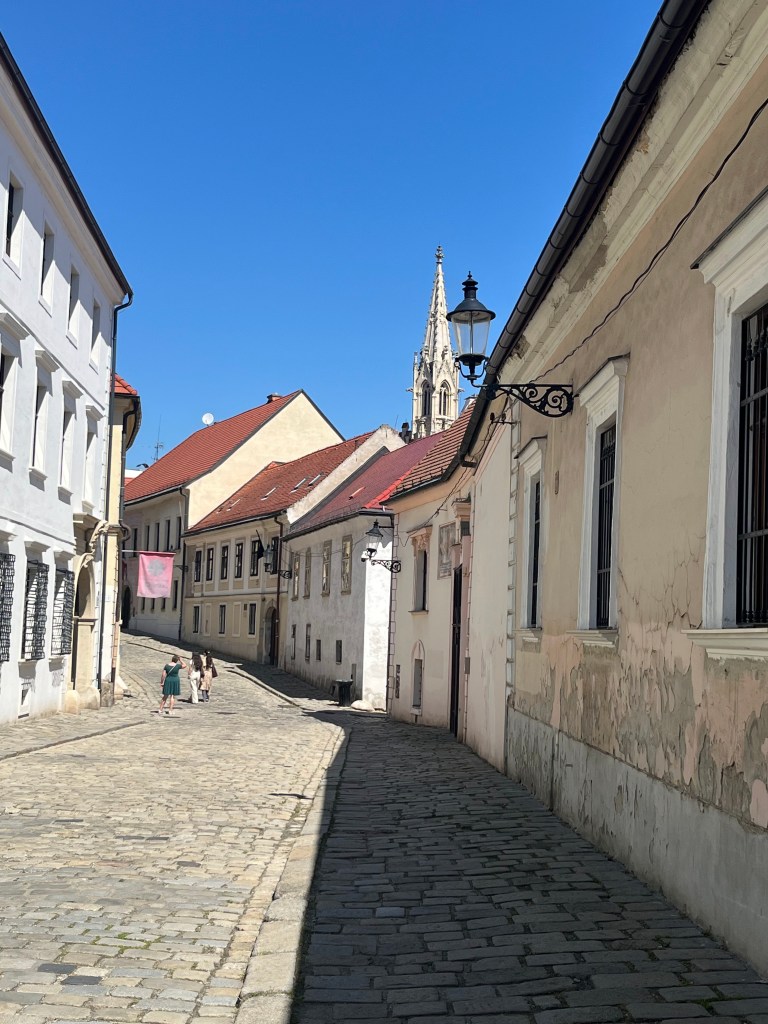

One of my favorite ways to get to know a new city is through its bookstores! I love books. They’re the only physical possession I care about and I love reading and collecting them! As was the case with a bookstore in Salzburg, the bookstores in Bratislava led me to some interesting discoveries.
The first store I went to primarily sold new books. I got some Slovakian gay poetry and then asked where I might find Jewish books. I was able to find a book of Psalms written in Hebrew and Slovak! And one of the coolest parts about it was that it was new – meaning Jewish life still breathes in this part of the world. Sadly, the Jewish museum was closed on the day I visited, but apparently Bratislava has quite a significant Jewish past. In 1880, 16% of the city was Jewish– a higher percentage than today’s New York City! Today only 1,000 Jews live in Bratislava, from a pre-Holocaust population of 15,000. I’ll definitely want to come back and get to know the community more!
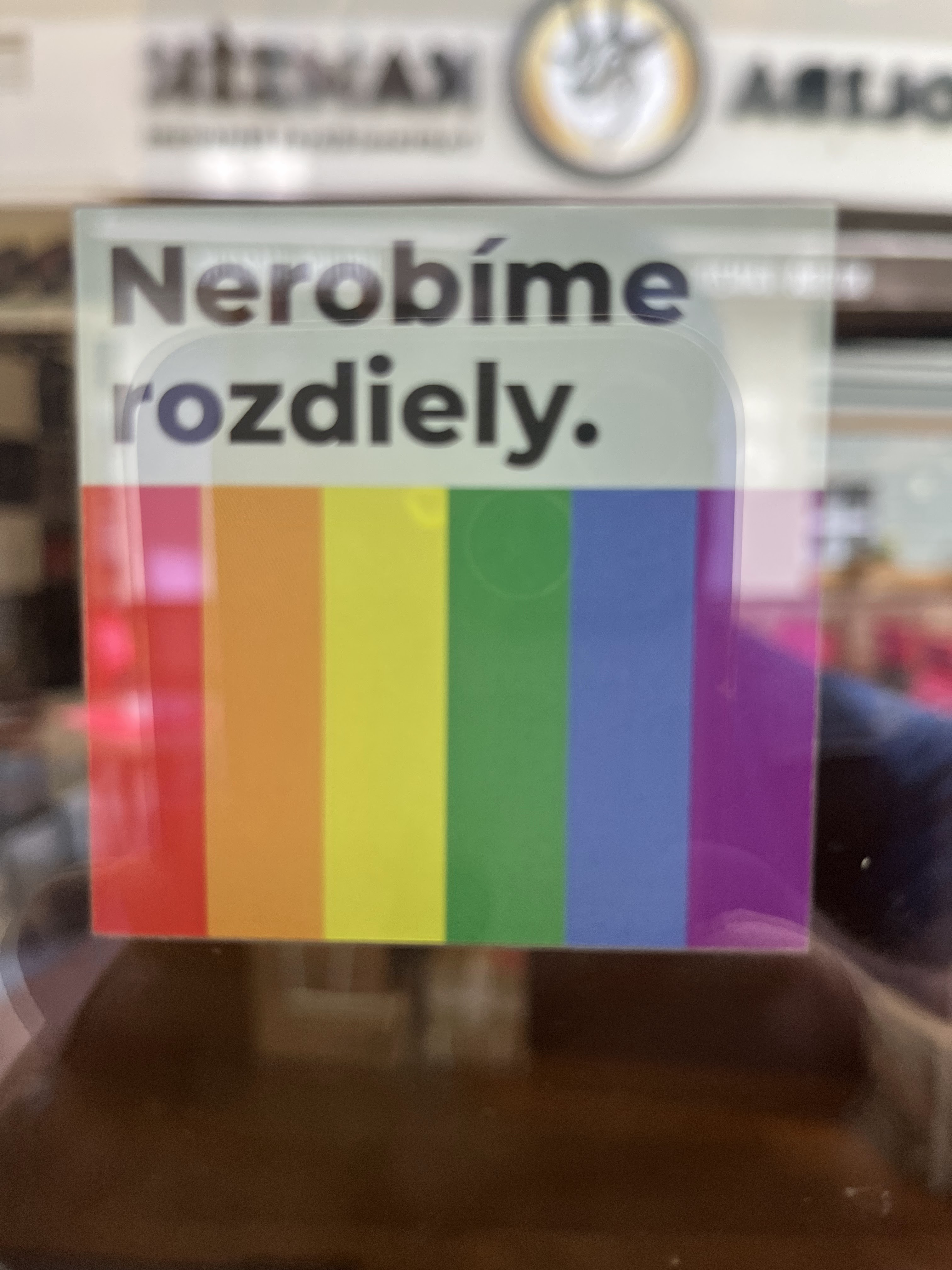
I had a meaningful conversation with the bookstore employee about LGBTQ+ rights in Slovakia, where she said it can be quite hard to come out. I was happy to see both of my identities validated – Jewish and gay – in this cute store. On the door to the store was a Pride sticker that said “we don’t differentiate (i.e. discriminate)”.
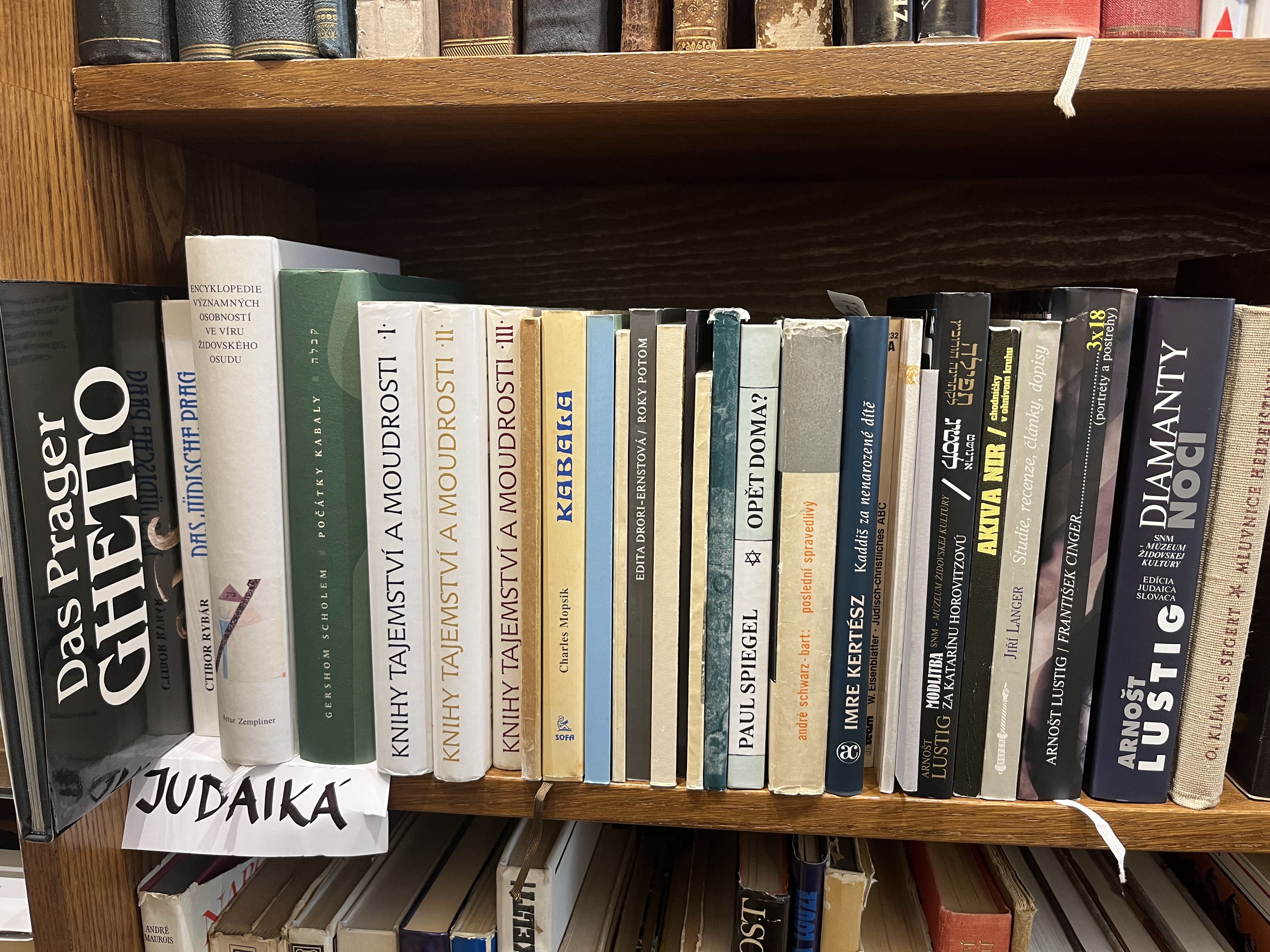
After visiting this cute spot, I found a used bookstore around the corner- Antikvariát Steiner. This bookstore is a treasure trove of old books! It was owned by a Jewish family before the Holocaust and I immediately asked to be pointed towards the Jewish books.
Perhaps because I am part Hungarian-Jewish, my eye was drawn to a machzor, a High Holiday prayer book in Hungarian. It was from 1922 and printed in Budapest, only a few hours away these days by train:
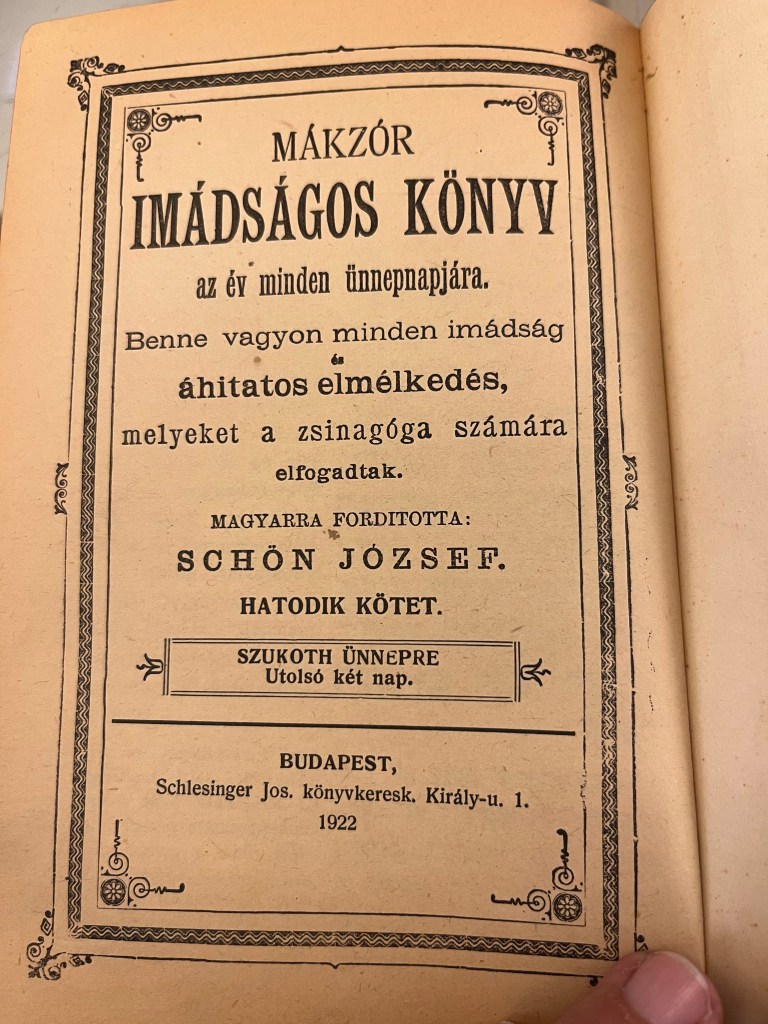


What was a Hungarian-language prayer book doing in Bratislava, Slovakia? Well, the answer is that this city used to be pretty diverse. Besides having a large historic Jewish population, the city was in 1910 40% Hungarian! And it wouldn’t surprise me if a number of the local Jews spoke Hungarian, just like my great-grandparents who immigrated to the U.S.
In fact, this visit to Slovakia could very well have been a homecoming for me. I know that my great-grandparents were from a town called Pacza (sometimes spelled Pacsa) in the former Hungarian Empire. However, the genealogists at the Jewish Museum in Budapest said it could be several different places, perhaps Pacsa (near Lake Balaton). But one of the villages mentioned was Pača in present-day Slovakia.
Perhaps I’ll continue doing some genealogy to find out exactly which village it is. But on some level, I am comfortable with the ambiguity. Much like Bratislava, I’m a mix. Bratislava was ethnically German, it was Hungarian, it was Jewish, it was Slovakian, it was Romani. And like Central Europe as a whole, I’m a bit of everything.
In days in which the world is so polarized between “this” or “that”, perhaps we can all strive to be a bit more like Bratislava and embrace our mixed heritage. Nuance. And diversity of thought and culture.
If you haven’t had the chance to visit this gem on the Danube, I highly recommend it and who knows what its books and history will lead you to discover!





 Planting Roots Bearing Fruits
You must be logged in to post a comment.