My mom’s spirit in Morocco

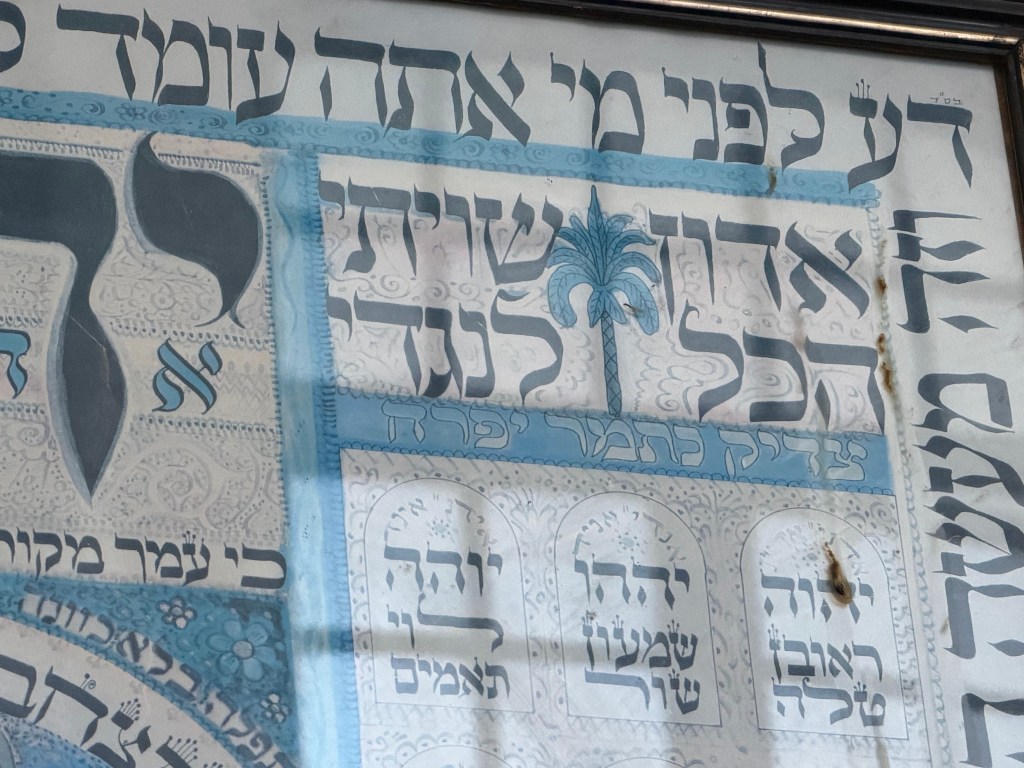
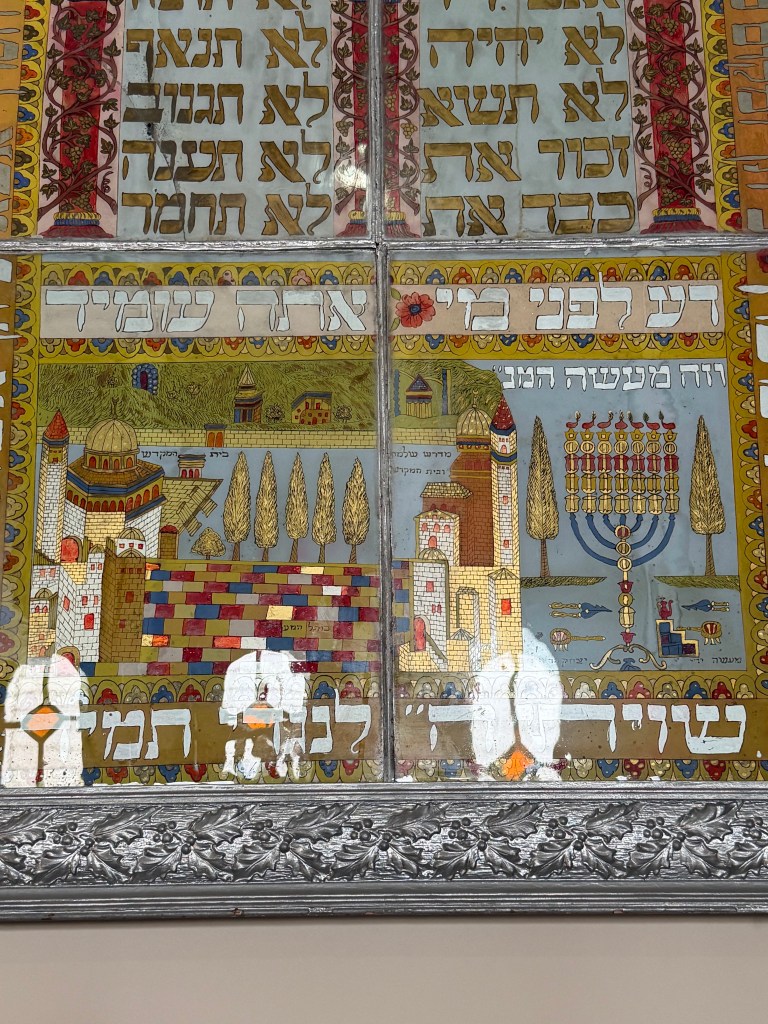
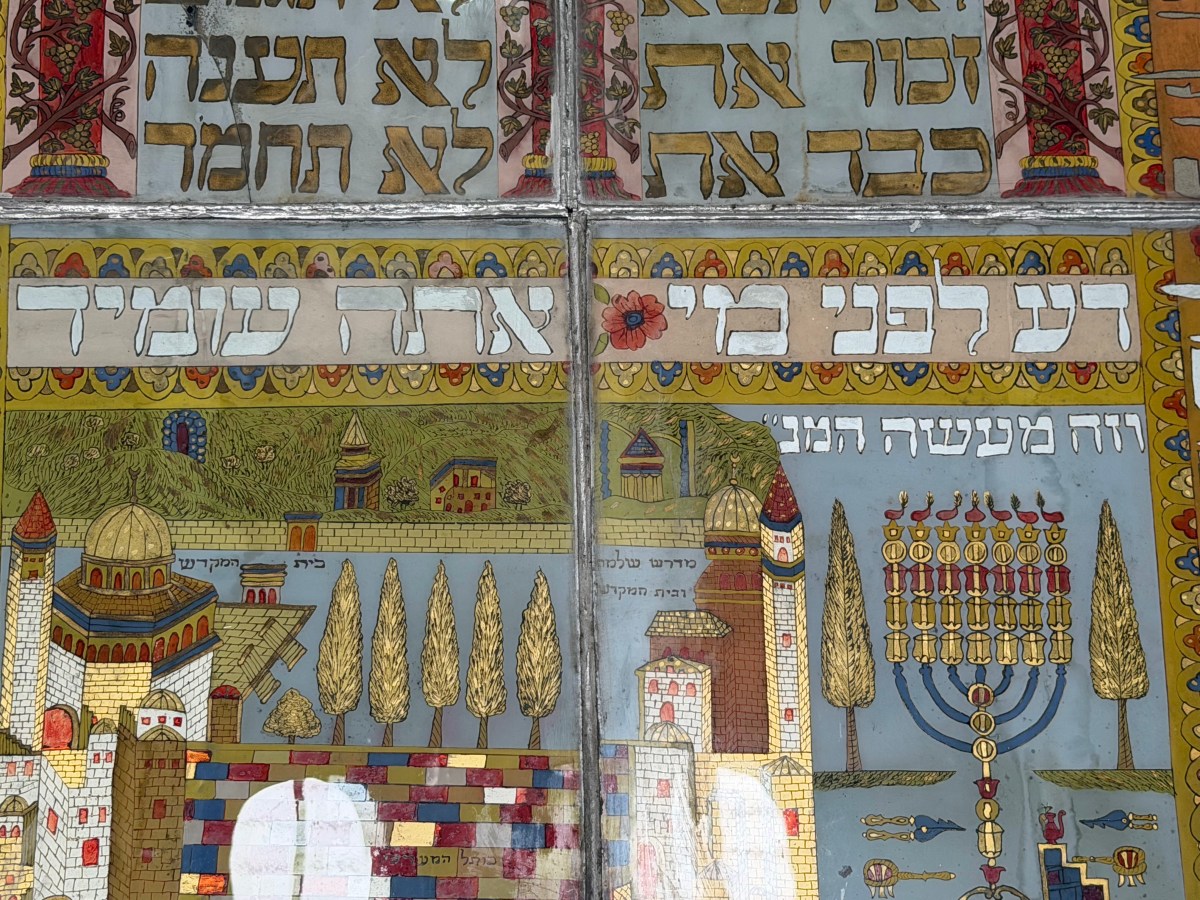
When I was a child, I grew up going to Temple Beth Ami in Rockville, MD. As many synagogues do, a Hebrew phrase is often placed atop the aron hakodesh where the Torah sits. At my synagogue growing up, it said: “da lifney mi atah omed” – “know before whom you stand”. At every single synagogue in Morocco and in the Jewish Museum in Casablanca, I saw this phrase over and over again. It’s not that it’s an entirely uncommon phrase to see, but it’s hardly the only one used in synagogues and it brought me back to my childhood, when my mom and I used to go to services every week. Where I used to lead services. And where she was President and on the Board for many years.

Here are some of the beautiful places I saw this phrase in Moroccan Jewish spaces, in every city I visited:
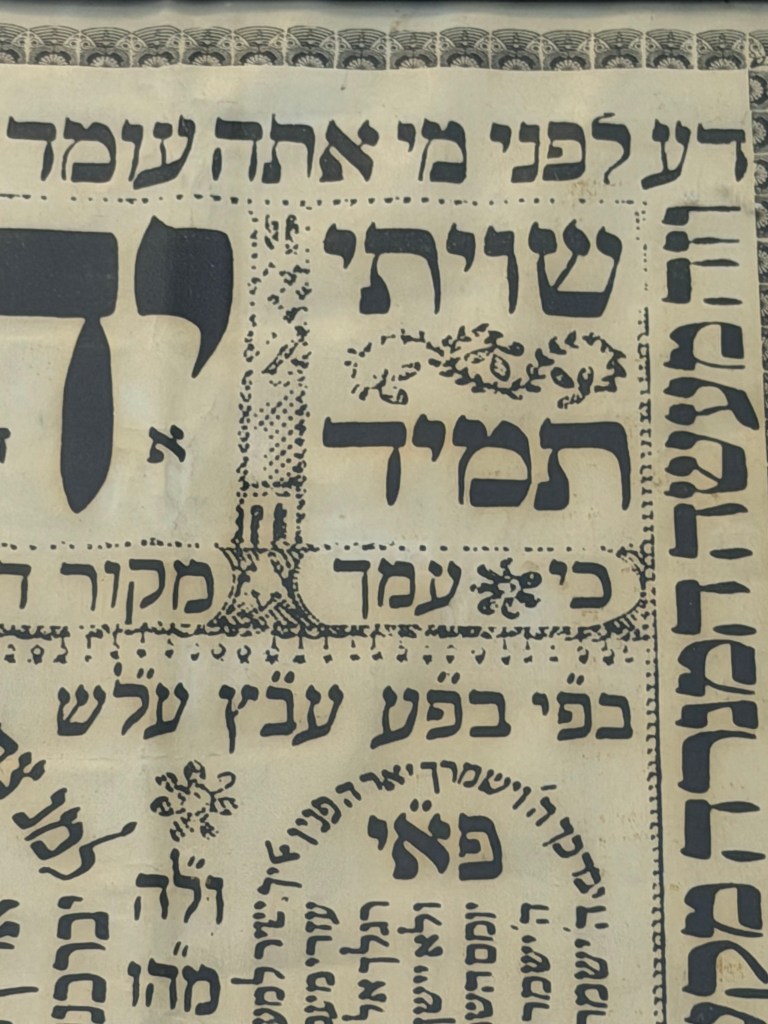
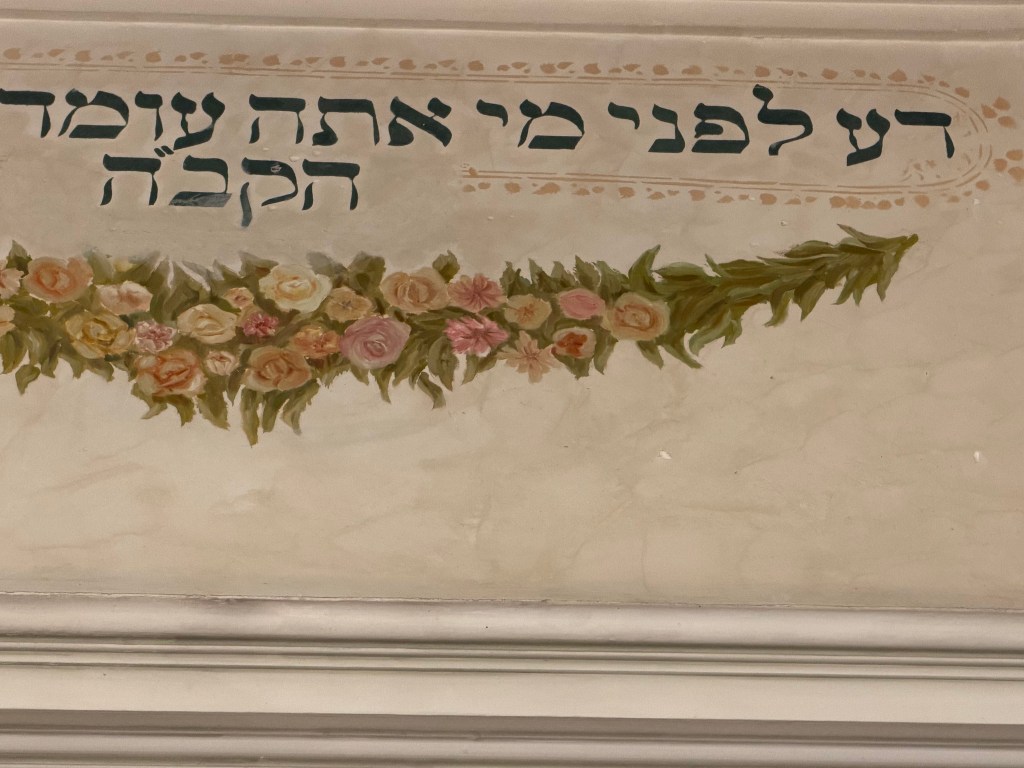
Every time I noticed the phrase, I gasped. How could it be that this particular Hebrew sentence was following me around a country halfway around the world that I had never visited and yet somehow was connected to? And I couldn’t help but think that this ability of Jews to traverse cultures and to connect around the world was something I learned from a young age and something my mom would be excited to see me pursue.

I often feel my mom’s spirit, especially when I travel. For example, I could feel her nudging me back towards my Jewish spirituality in Lisbon after losing my faith when she and my step-dad passed away. Looking back on it, that moment in Lisbon helped lead me to the rabbinical school program I’m in today. And to many other Jewish travel adventures.

There was another example on my trip that was possibly much more directly connected to my mom than even the words on the Torah Ark. One of my amazing tour guides, an elderly man, brought me to a zellij factory. Zellij is mosaic tile work. My mom was an avid mosaic artist. One of her most beautiful pieces which she left to me was called “The Tree of Life”. This is what it looks like:
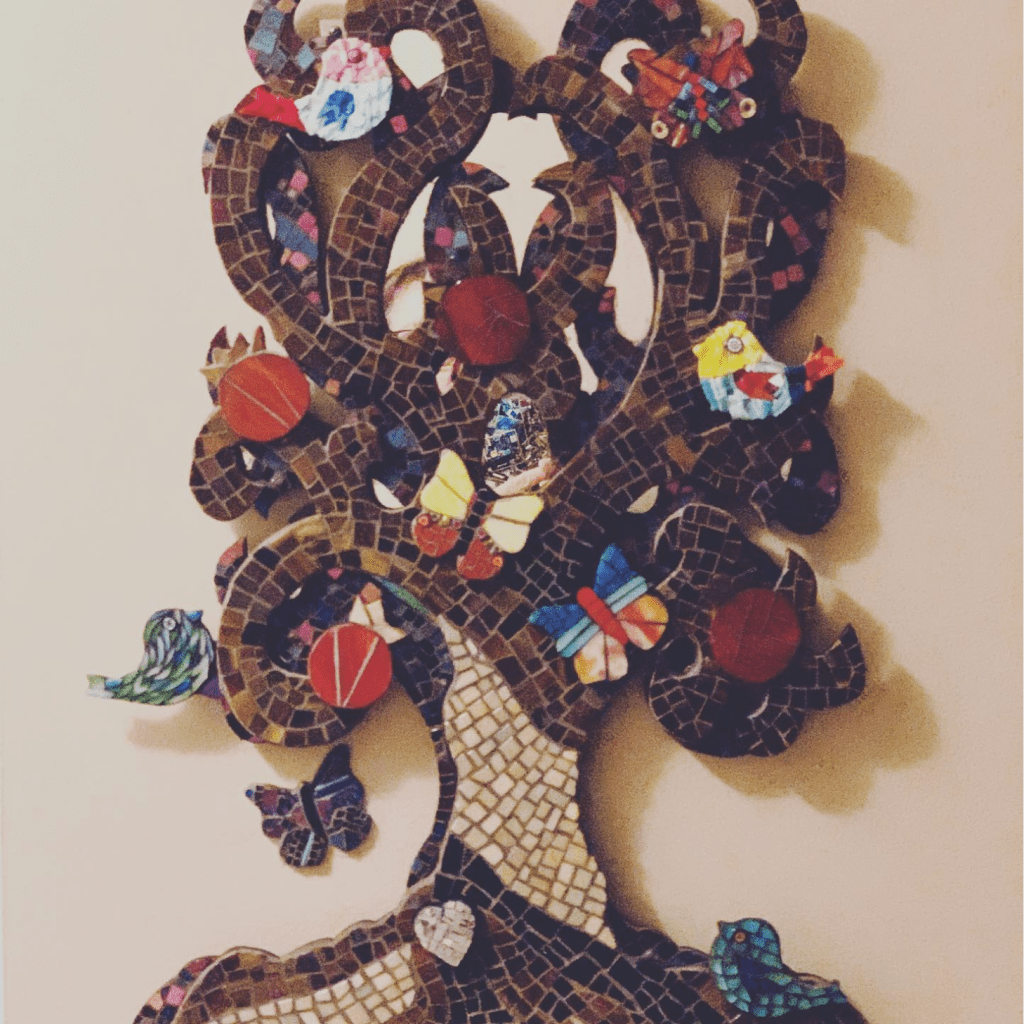
Walking around the factory, the mosaics spoke to me. If my mom had been with me, she would’ve been in heaven, but not the one upstairs where she is now. I wished so badly she could’ve been there with me, enjoying the beautiful art work.

And then my guide brought me to a special piece. It was a tree. And its name was “The Tree of Life”. My jaw almost dropped. Here it is:
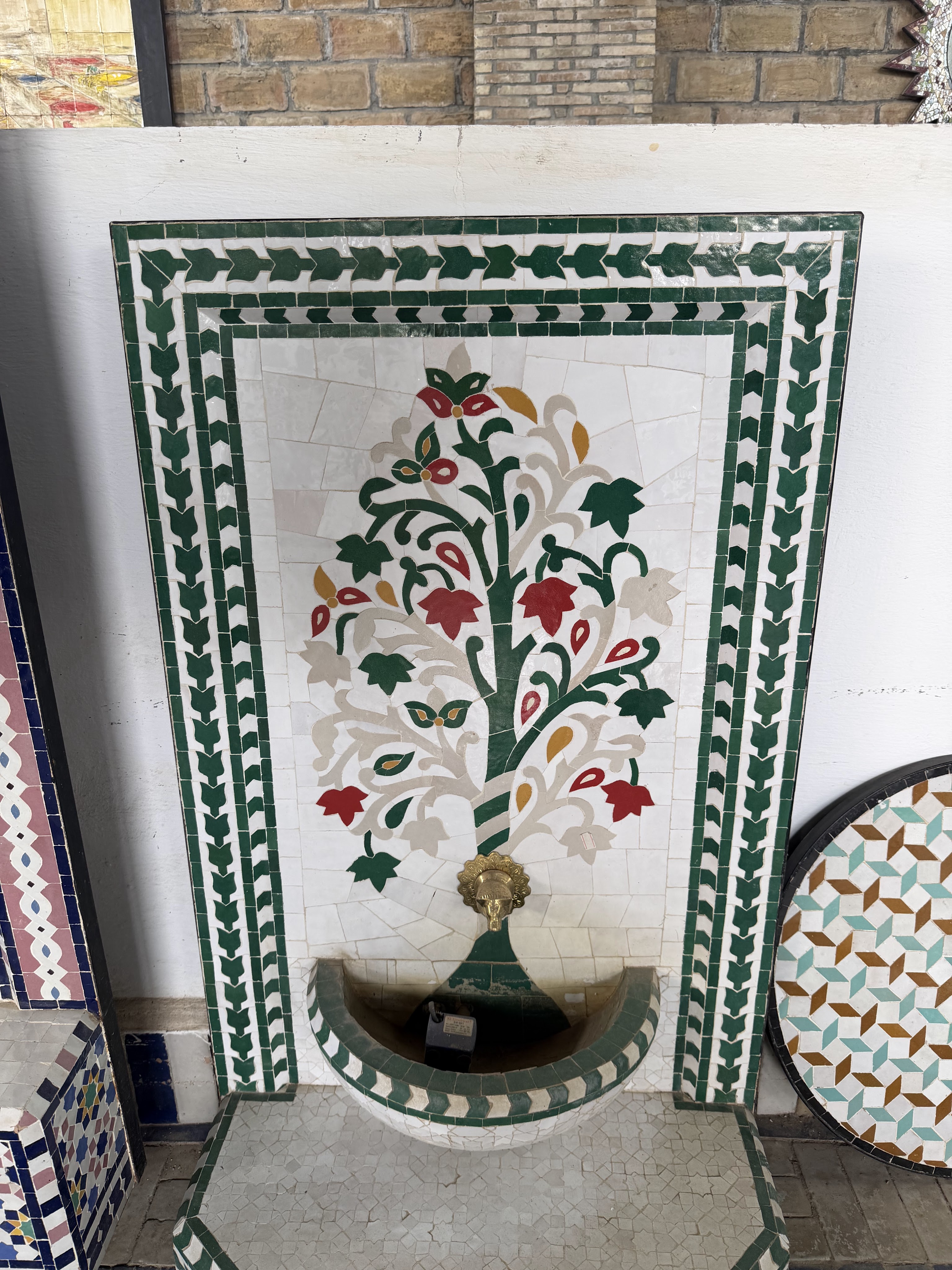
I explained in Arabic to the guide about my mom and mosaics and her piece with the very same name. I couldn’t quite capture the myriad feelings going through my heart. The sadness and anger that she couldn’t be there with me. The ecstasy of finding this deep connection to my mom and her legacy. The spirituality of the moment. And the possibility that my mom really was accompanying me on my journey. And on all my journeys.

I think back to the phrase on my childhood Torah Ark and apparently all over Moroccan synagogues. “Know before whom you stand”. Usually we think of this as God. When you rise to pray in a synagogue, you should know the majesty of God standing in front of you. But I would argue, in addition to that, perhaps the message my mom was sending was to know the Godliness of everyone who stands in front of you. My tour guide, the person working at my hotel, the fellow tourists I befriended, the local Jewish community members I met, the shopkeeper I had tea with for two hours. These are people created in the image of God who stood before me. Not just in a synagogue, but in everyday life. That’s what my mom taught me. To love your neighbor as yourself.

As a young kid, I remember my mom and I would drive around following cars whose license plates had her mom’s initials on them. Just to see where they were driving. Some people today might call that crazy. But she just wanted a connection. A sign from her mom that despite the cancer, the death, the sadness, that she was still with her in some way. And I think I finally understand why. Because everywhere you look, you can choose to see signs of your loved ones who are no longer with us. You can choose to see before whom you stand. Or not. I could’ve chosen to ignore the signs around me that my mom was with me. And it would’ve just made me feel lonelier. But instead, I choose to believe her spirit lives on around me and most importantly, inside me and the actions I take to honor her memory.

Thank you Morocco for helping me feel close to my mom and introducing me to so many incredible people to stand before.
My mourning becomes dancing

On March 5, I turned 40. On March 9, I started rabbinical school. On April 1, I’ll be hosting a Pesach seder with friends to celebrate Passover. On April 12, my mom’s third yahrtzeit starts. It’s a busy month with so much joy and some sadness. I think it makes a lot of sense why these events are bound up together and I’ll explain why.

Let’s start from the end. My mom’s third yahrtzeit will be this April. When my mom passed away from cancer, it came five months after my step-father died from cancer too. I wasn’t just extremely sad – I also felt like my Judaism had been annihilated. From a young age, I’ve been not only deeply passionate about my Judaism, I’ve been a leader in my communities. I’ve been a teen prayer leader, a youth group board member, a founder of the Reform community on my college campus, a service leader in Tel Aviv. To go from helping others on their spiritual journeys to someone who was openly pondering atheism or agnosticism was a radical shift for me. And a scary one. I felt rootless at a time when I desperately needed community, love, and spirituality.

When my mom passed away, I could barely utter the words of Kaddish, the traditional Jewish mourning prayer which praises God’s greatness. I even asked one of my rabbis if we could use an atheistic/humanistic version for the funeral which omitted God’s name. She said she wouldn’t do that and so I forced myself through the tears to fulfill my promise to my mom to say Kaddish for her as much as I hated every bit of the prayer at the time.

During that period of time in my life, a lot of friends stepped up for me and helped me through the darkness. They helped clean out my childhood house, they helped bring me meals, they came to funerals and shiva, they hugged me, and they provided a kind ear to listen as I grieved. I am incredibly grateful to them, my chosen family.

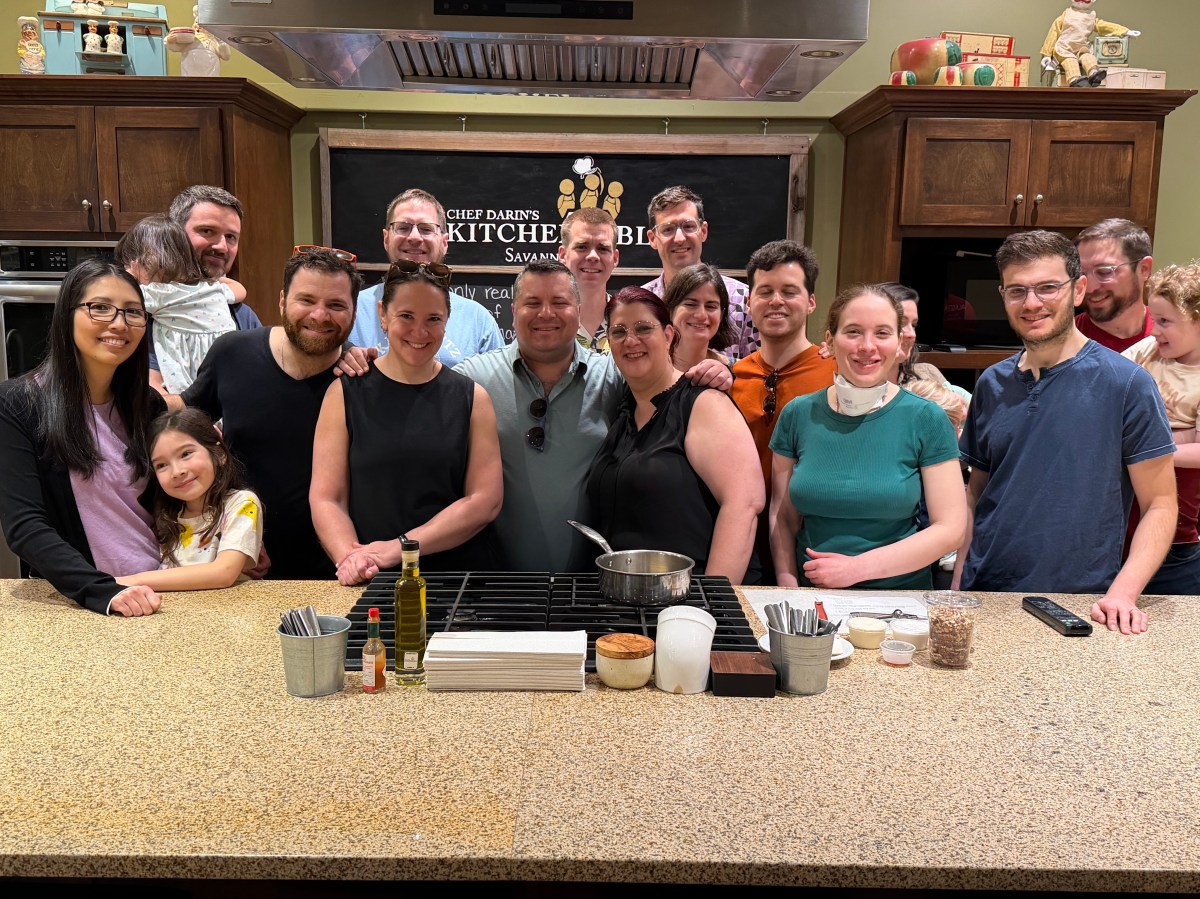
So what does this have to do with my birthday? Well, first things first – I had one of my best birthdays ever this year. Some people dread turning 20, 30, 40, 50, etc. Those big years with a zero at the end. For me, this year felt just right, rounding out my previous decade. While of course I wished I could have celebrated with my mom and step-dad, I had the privilege of bringing together some of my closest friends for a birthday to remember in Savannah, Georgia. This amazing group of humans is pictured in my cover photo. These people have been with me through thick and thin and I’m not only incredibly grateful for their friendship, they are also a great time!

When my mom was near the end of her life, she told me relationships are all that matter. And she was right. Over the years, I’ve met some incredible people who make me laugh, smile, and feel supported. I took her lesson to heart and have built a strong sense of community. It is one of the ways in which God has turned my mourning into dancing, as the psalmist says.

“You turned my mourning into dancing; You loosened my sackcloth and girded me with joy”. That’s specifically what it says in the psalm. And recently, I’ve felt extra joyous. I started rabbinical school recently, a dream of mine since I was a young child. I can still remember telling Cantor Roemer in first grade that I loved the song “hashiveinu” and walking with her to her office to get a copy of the lyrics. The tune was beautiful and the lyrics are poignant for where I’m at in life right now: “Turn us back, turn us back, O LORD to You and we will turn, and we will turn renew, renew our days as before.”

That’s how I feel. Rabbinical school is a new start, but it is a return to my authentic self. Just like the words from Lamentations above. When my mom passed, my childhood rabbi told me my faith was not weak, it was being tested. And if that’s the case, I’d say my decision to reengage in Jewish life is active proof that I have passed this test. I’m sure my faith will continue to be tested throughout life, but if I can manage to go from being nearly unable to utter Kaddish three years ago to studying to become a rabbi, I’m processing grief in a healthy way.

So if my birthday was about relationships and rabbinical school is about a return to self, what are my hopes for Passover and why is it bound up in this series of events, including my mom’s yahrtzeit?

For those who don’t know, my religious Hebrew name is Pesach, Hebrew for “Passover”. I was named after my great-grandmother Polly. It’s a unique name, but one that I feel suits me. Pesach is a holiday not only about the national liberation of the Jewish people, it is also about personal liberation. We are commanded to envision each of ourselves as having been freed from slavery in Egypt.

This Passover, I am liberated from the feeling that my grief over my parents has to only be about sadness. It might sound strange. After all, I am sad that I’m not leading a Seder with them, singing Chad Gadya together and eating all their delicious food. And I of course find myself feeling sad that they’re not here to see me start rabbinical school or celebrating my 40th birthday with friends.

And I’m also giving myself permission to feel happiness. Part of grieving is allowing yourself to add new memories to the old. And to integrate the two in a meaningful way.

So to that end, I’m thrilled to start 40 by beginning rabbinical school and finding ways to serve my community. I’m excited to start what I hope will be one of the best decades of my life surrounded by so much love. I’m thrilled to be hosting a Pesach seder with friends. I’m proud to be prioritizing my relationships above all else.

Being a rabbi will not just be about the classes I’ve taken, it’ll also be about the life experiences I’ve had and will yet have. If the past few years has been a test of faith, as my rabbi said, then I have passed the test. While we’re never truly “out on the other side” of loss, I feel I’m well on my way to integrating my trauma into my understanding of self and am very proud of the work I’ve done to get here. It’ll make me a better rabbi for having been through it.

Wishing you all nothing but love and strength with whatever tests your faith may face in the days and years ahead. Because my story is proof that you can make it through too. May your resilience surprise you.

Where is home?

I was born in Washington, D.C. and grew up in suburban Maryland. As an adult, I’ve lived in Tel Aviv, St. Louis, Florida, Philadelphia, and now Atlanta. I’ve experienced different cultures in each place and tried to absorb the best of each into my life.

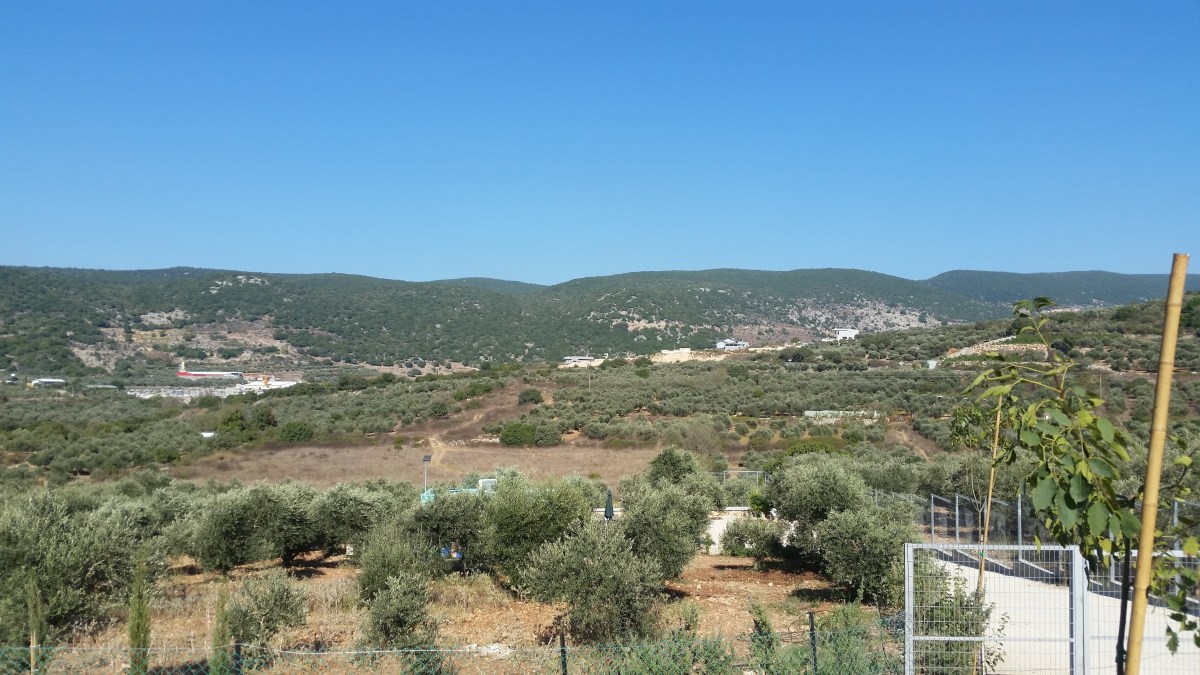
When I made aliyah to Israel, I chose to Hebraicize my name Matt but I did it in a unique way. I chose the name “Matah” (מטע) which sounds like Matt but comes from a different root. It means “orchard”, as in an olive orchard, like the one in the cover photo for this blog post near Rehaniya. The idea was to plant roots in Israel- ones that would bear fruits. Just like the name of this blog.

I would say that even though I returned to the U.S., I did plant roots in Israel and feel deeply connected to my homeland. And they certainly bore fruits – new friendships, mature social and political perspectives, stronger Hebrew and Arabic, and even publishing a book about my adventures! I’m extremely excited to go back this April (inshallah!) for a month and visit again. I miss my friends and favorite places and am thrilled to see what new adventures are in store for me.

While I’ve lived in many places, I’ve called the D.C. area home for most of my life. I grew up there, came back soon after college, and returned there after living in Tel Aviv to be closer to family. My relationship with D.C. could take up multiple blog posts, but let’s put it this way – it’s complicated. I love my friends and remaining family there and I relished the chance to see many of them recently when I visited. And D.C. is also a place of deep pain – one where both of my parents struggled through and died from cancer, one where I experienced a life-threatening manic episode in my 20s that led to my diagnosis with Bipolar Disorder, one where I experienced the loneliness of the pandemic. It’s somewhere where I have many loved ones but it is bittersweet because frankly it’s never been my vibe. While it’s full of beautiful museums, culture, bookstores, cafes, and restaurants, it is overly focused on work and networking with an intense atmosphere that used to stress me out.

“Used to stress me out” because I don’t live there anymore. And while I will certainly be back to visit D.C. again, it is not my home right now. I now live in Atlanta. And frankly I feel so much more relaxed here. It’s been a fresh start for me full of new friends, new experiences, and a less intense way of living. It’s a vibe and it’s peaceful. I sometimes wish I could import my friends and family down here so it’d feel a bit more like home and more quickly. It’s where I live and I’m enjoying it, but it’s maybe not quite home yet. After all, I’ve only been here about four months. But it’s starting to feel more and more like home by the day. When I travel to other cities or abroad, I feel relieved and happy to come back to Atlanta. It’ll take time to see how this place will figure in my life, but it has a lot of promise. Yet inevitably there are those tough days when after moving to a new place when I wonder what I’m doing here. It’s a kind of imposter syndrome perhaps, because I feel pretty content here. Hopefully with time I’ll feel even more at ease.

Perhaps instead of thinking where is “home” and where is not, it’s more useful to return to my Israeli name “Matah”. Orchard. Roots. Planting. Rather than debating which place I’ve called home is most “home” to me, it’s better to think about where I’ve planted roots and what fruits they have borne or may yet bear.

Put that way, I can say that in D.C. I created lifelong friendships and honored my parents by supporting them through their cancer diagnoses and passing away.

In Tel Aviv, I learned to explore the world, from tiny villages in the Galilee to rural Cyprus. I regained my confidence to engage with different cultures and put that passport to use. I visited 120 different municipalities in Israel and met people from every religious, linguistic, and ethnic background imaginable. I connected with my Jewish identity and homeland. And I became a writer reaching 100,000 views on this blog site!

In Atlanta, the story is yet to be written. I’ve met some wonderful people here. And it has been good for is my mental health. I feel better here psychologically. Having a fresh start in a relaxed place has allowed me to have some space from the traumas I experienced in D.C. and redefine myself for the next stage of my life.

So I will refuse to answer the title of this blog post. Because rather than one home, we can have many. And we can plant roots wherever the soil is fertile.