Racist rabbi?

I was asked the most outrageous question by a rabbi I had just met. “Are you Sephardic or just a tan Ashkenazi Jew?” I answered: “I’m Ashkenazi and am also 1/8th Romani.” She responded: “oh yeah, I can see that you’re Romani. You know my synagogue once hosted an Israeli girl of Moroccan descent but she was the fairest skinned girl you could’ve ever imagined.”

Seeing as how I was at a party, I felt like it wouldn’t be appropriate for me to make a scene. So instead I just sat with feelings of otherness, of an interrogation of my identity and my skin color. Do I think the rabbi was coming from a malicious place? Unlikely. It probably was just ignorance. And yet something within me began to stir and I became very, very angry on my way home.

After all, besides feeling demeaned by the whole conversation, I thought to myself – what if I had been a Jew by Choice, a convert? What if I was raised as a Christian in Puerto Rico or Mexico, with similarly brown skin, and had converted to Judaism? Would it have been appropriate for a rabbi to ask if I was a tan Ashkenazi or “just” a Sephardic Jew? What if the answer was “neither”?

What struck me most about the conversation was the casual questioning of my identity. I don’t even think the rabbi knew my last name – I don’t know hers for that matter. Why it’d be remotely appropriate to ask about my ethnicity and skin color at a party is beyond me.

The thing is it tapped into something much deeper within my American Jewish experience. As a kid, I remember going on a synagogue volunteer trip and another child asked me if I was Jewish. I said I was and the kid responded: “but you don’t look Jewish”. My heart broke. Judaism meant everything to me. If this kid didn’t think I looked Jewish, perhaps I didn’t belong in this community. Perhaps I should find a sense of belonging elsewhere.

While the rabbi’s comments never questioned my Jewishness per se, they certainly questioned how an Ashkenazi Jew could possibly look so brown. And how her Moroccan-Israeli acquaintance could be so light-skinned. I felt like I somehow had to justify my skin color to a stranger, as if all Ashkenazi Jews looked the same – looked like her.

There’s a reason my Judaism flourished in Israel. The warm people, the varied expressions of faith and culture, and perhaps because I felt I fit in. Physically. A lot more Israelis look like me than Ashkenazi Jews do in the U.S. (although note to the rabbi- there are other olive-skinned Ashkenazim like me). I blend in. I never once had my Judaism questioned for how I looked in a place as ethnically diverse as Israel. After all, what does an Israeli Jew look like? There are endless ways to “look Jewish” in Israel, in fact there are so many ways it’s hard to pinpoint what it even means to “look Jewish” there. Which is the beauty of the country I miss so much.

An American rabbi who studied for five years and has worked in the field for many more should know better. The Reform Movement, which I proudly grew up in and she is a part of, strives to include Jews of all different backgrounds in its social fabric.

And clearly work remains to be done. Do I think this rabbi is racist? I don’t know. I don’t think she was being malicious and there are plenty of times that I’ve put my foot in my mouth after saying something. That being said, it’s not an excuse for egregious behavior that centers light-skinned Ashkenazi American Jews at the expense of people who look different.

May we all find ways to explore the beautiful kaleidoscope of Jewish communities and cultures, avoiding othering and finding new ways to engage our diverse people.

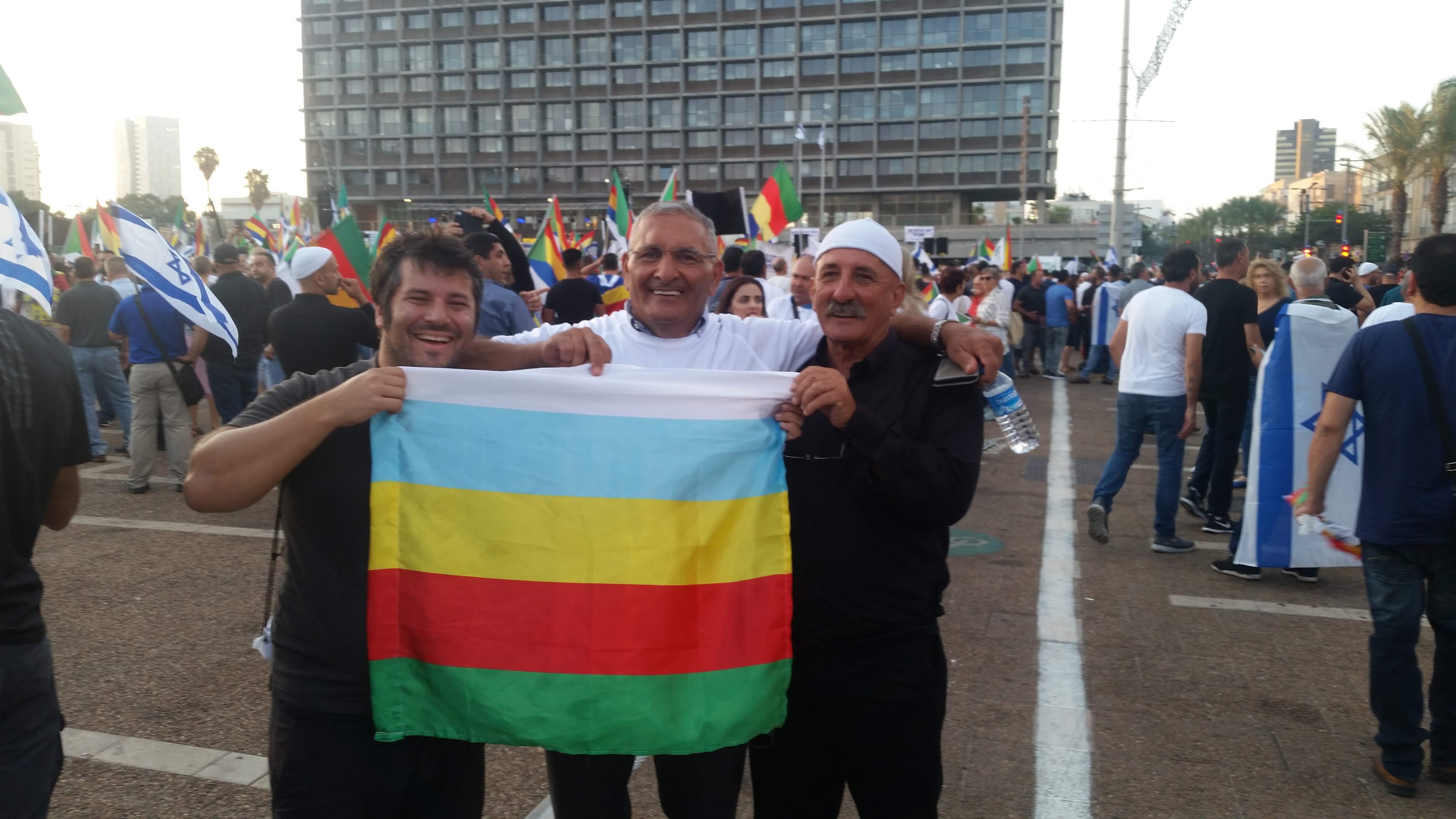
This is beautiful, olive-skinned, Ashkenazi, part-Romani me with some of my Druze friends in Israel! And I love myself just the way I am. As my cover photo from Israel says in Hebrew and Arabic: “the ‘other’ is me”.
Beautiful, safe El Salvador

El Salvador is one of the prettiest countries I’ve visited. Today is my 40th birthday. In the past decade, I really embraced my love of travel and visited 20 different countries. El Salvador is now easily one of my favorites.

El Salvador has historically had a rough reputation. Colonization, extermination of indigenous communities, civil war, and massive gang violence. However, in the past few years, according to literally every Salvadoran I spoke with, things have gotten much better. Salvadorans shared with me a variety of political opinions, but universally are happy with the fact that gangs are off the street and the country is safer than it has been in ages.

I got to enjoy that safety. I walked around alone at night. I didn’t have to constantly be on the lookout for pickpockets the same way I had to in parts of Europe. The police presence was significant and not in any way invasive of my privacy. It was their presence that was making life safer for the average Salvadoran and for me as a tourist. Statistically speaking, San Salvador is safer than Atlanta and it feels safer too.

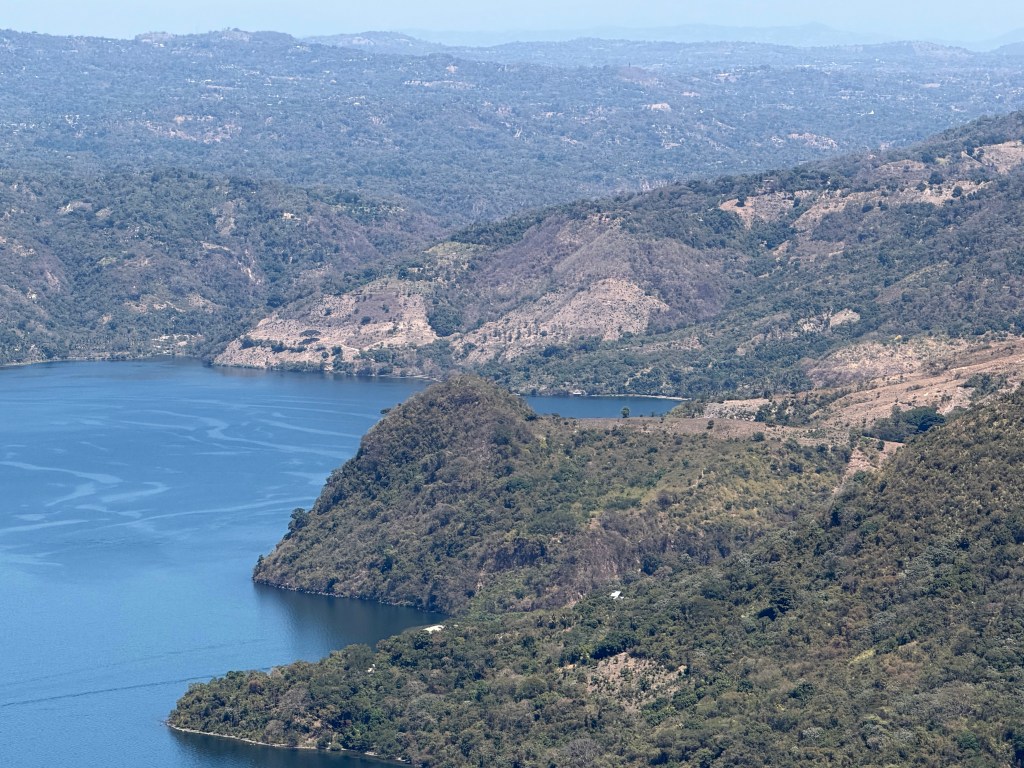
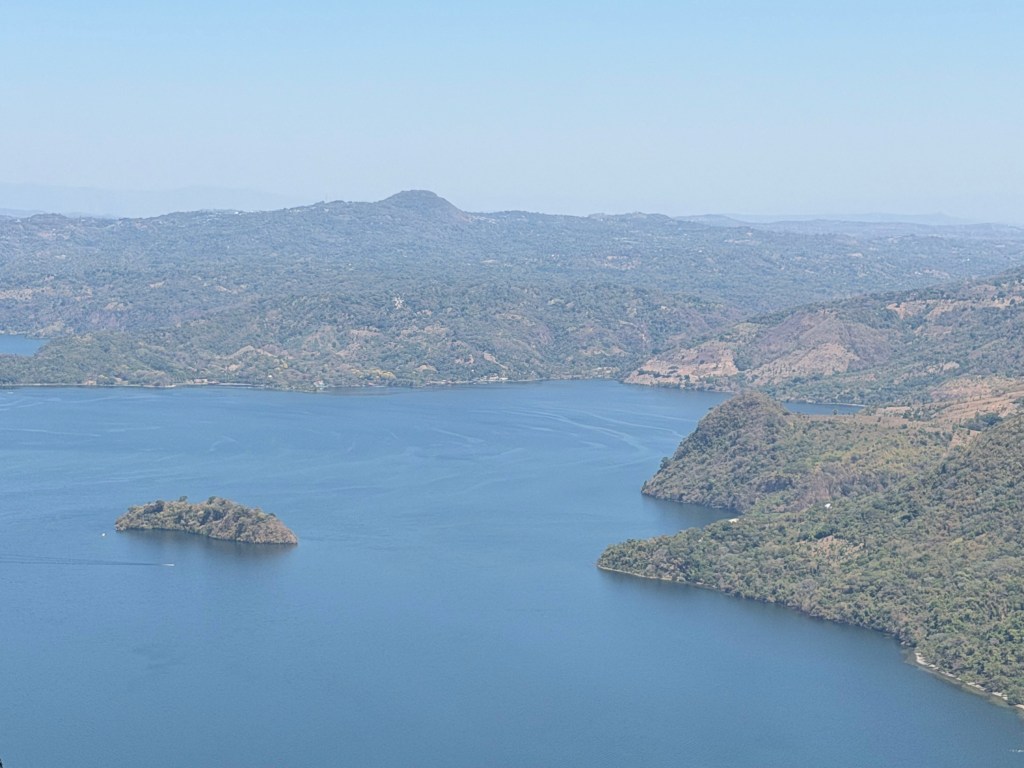
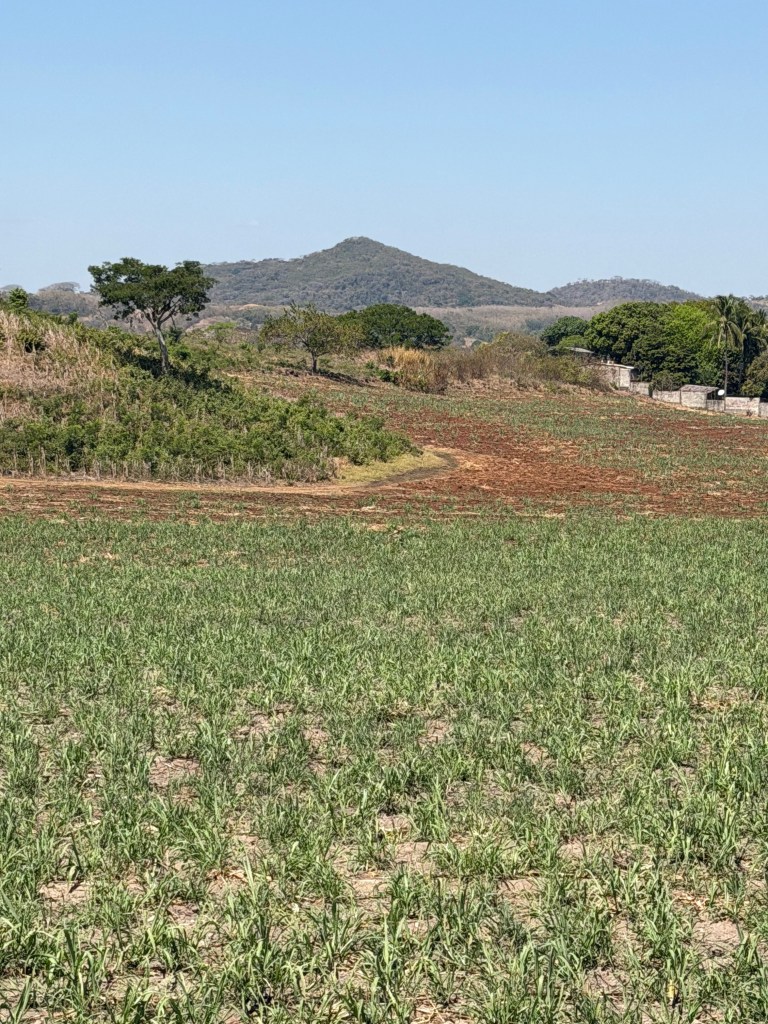
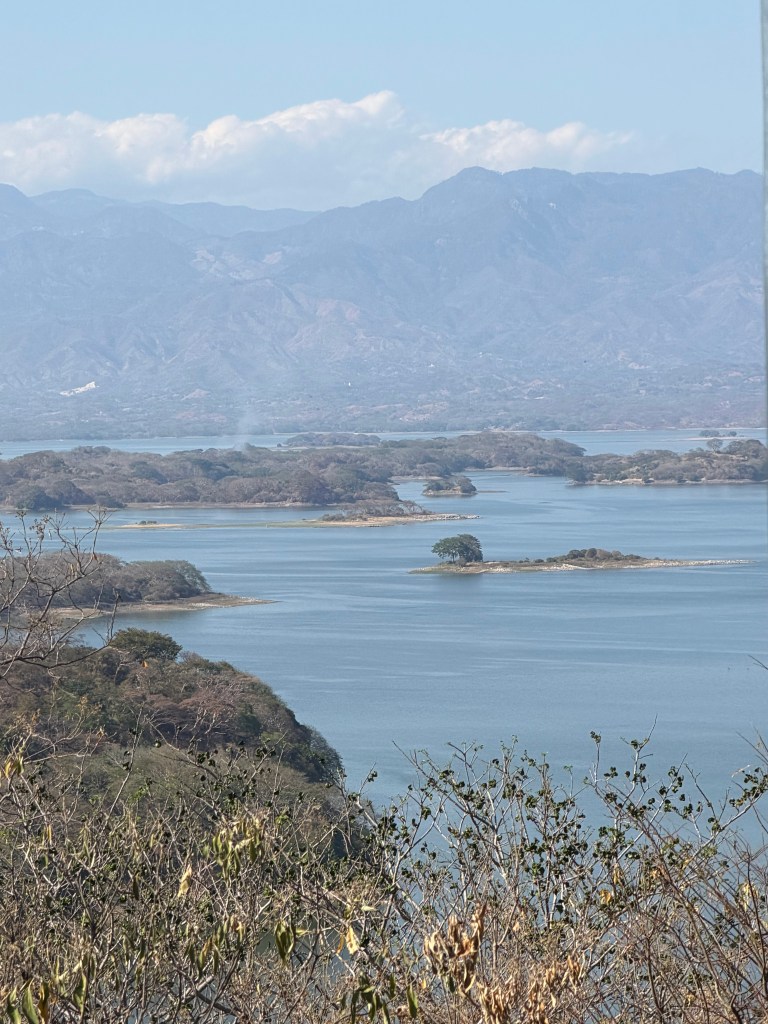
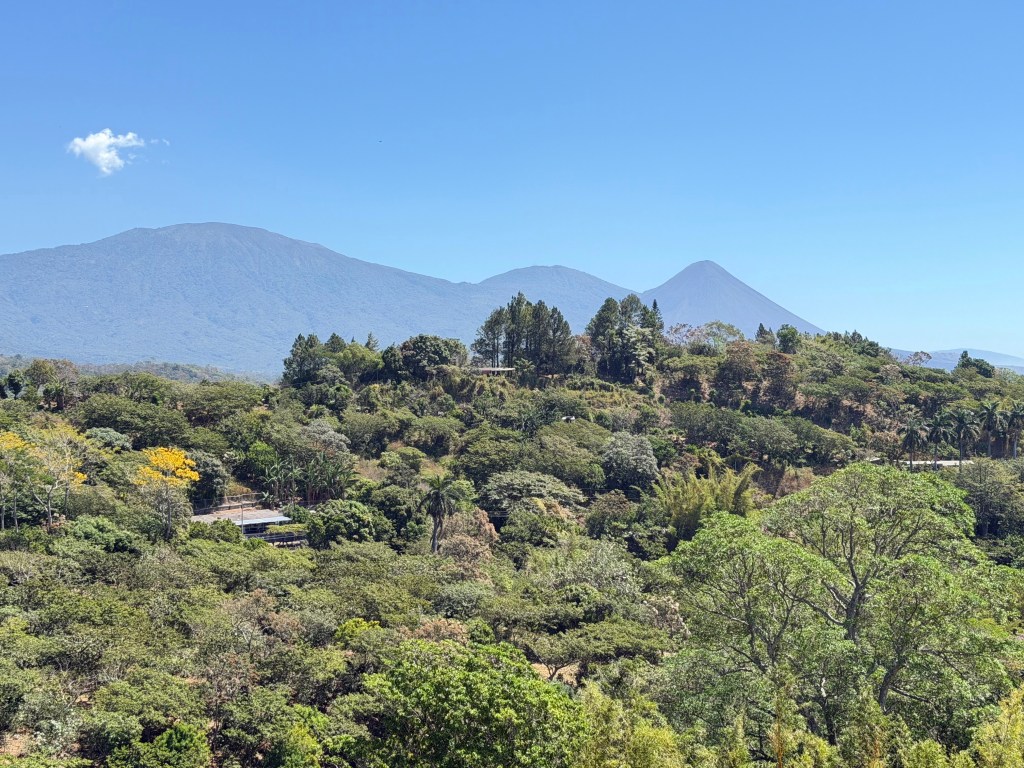
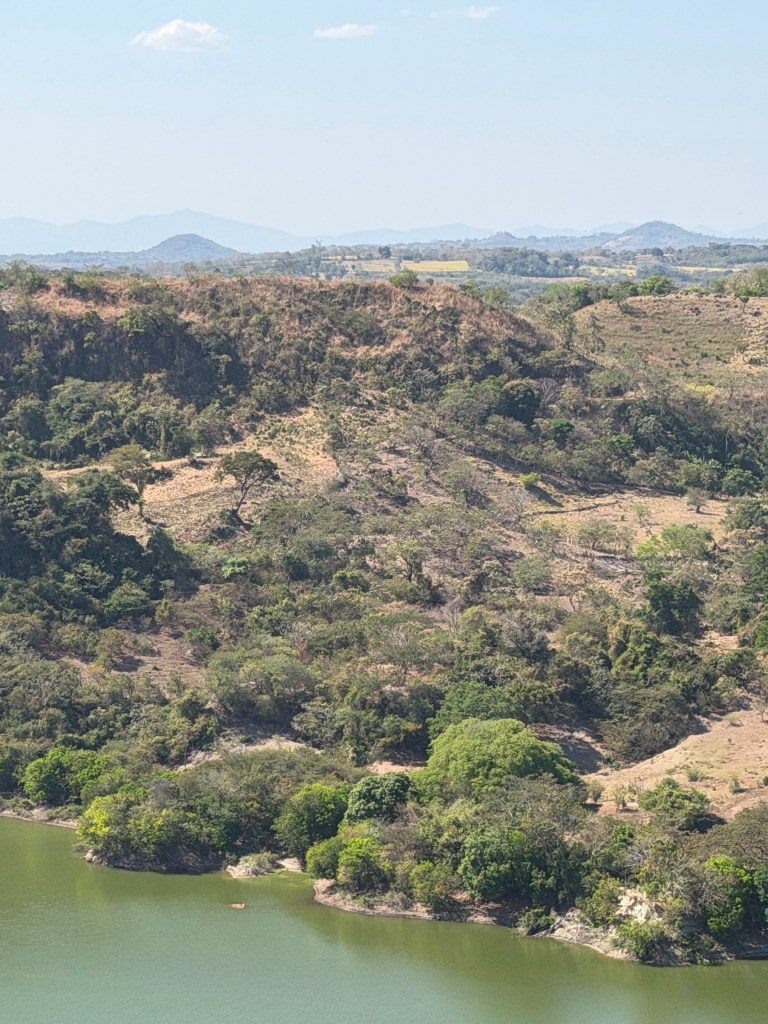
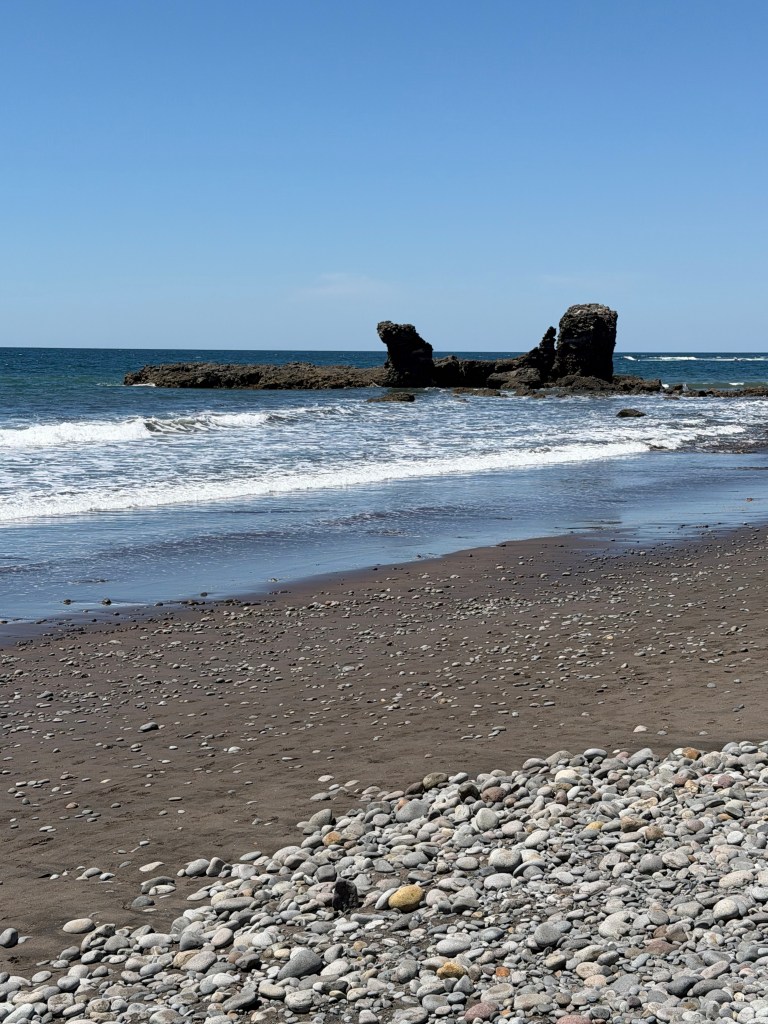
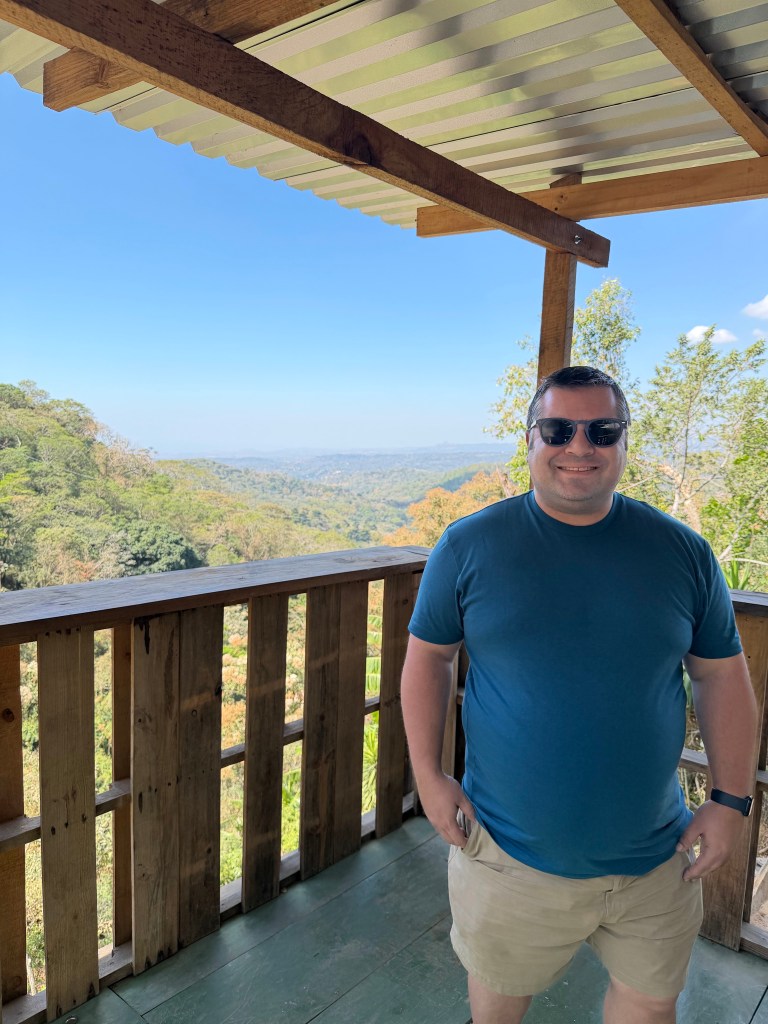
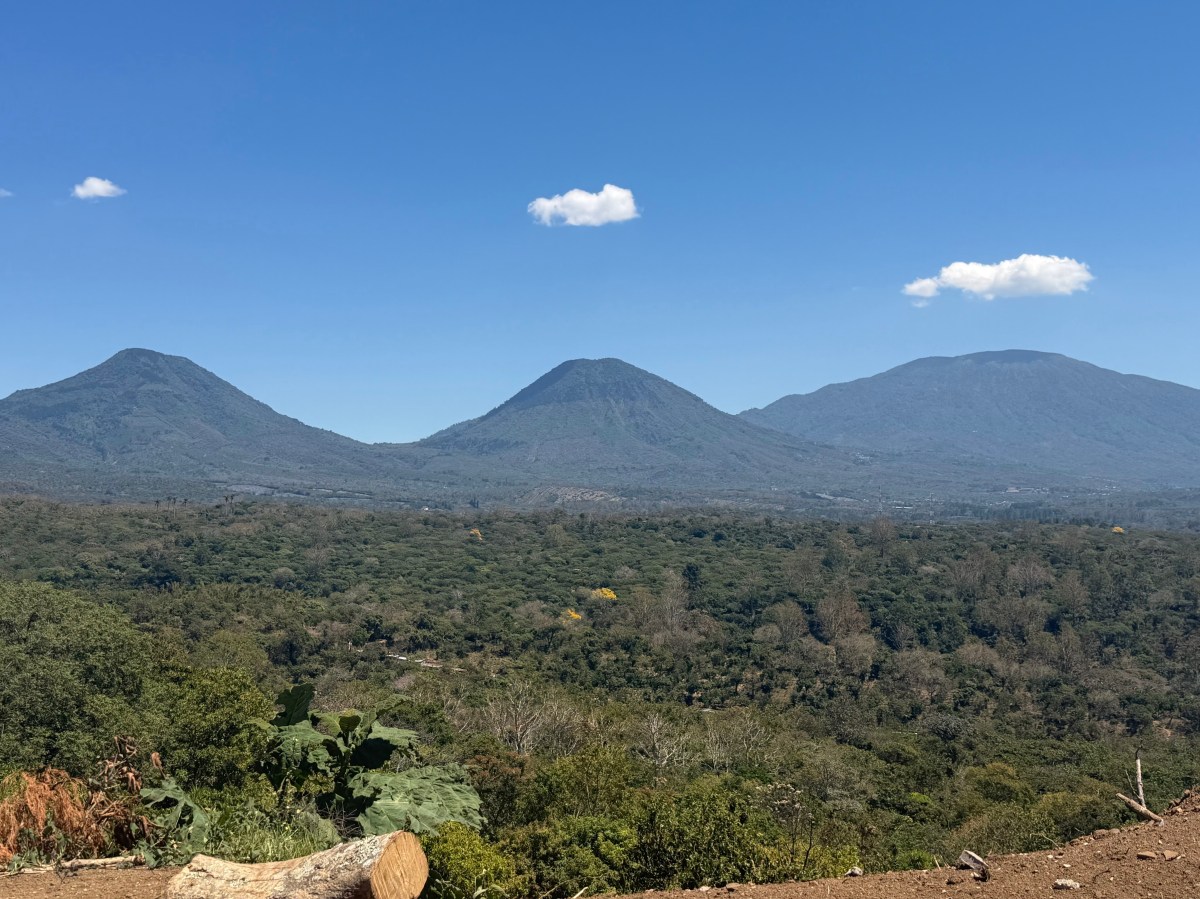
El Salvador is a tiny country, but it packs a punch when it comes to the amount of nature you can see in it. In one day, you can go from the beach to freezing cold mountaintops. The country is so green. While deforestation is apparently an issue, I didn’t notice it personally because everywhere I looked were rolling hills and forests. I hope the country continues to preserve its natural heritage. Here are some pictures:

The amount of green space made me feel calm and relaxed. Every view put me at ease and helped me soak in the serenity of this fascinating place. El Salvador is rich not only in nature and scenery. Its people are so warm and welcoming. I can’t tell you how many times I was able to strike up conversation with random people, sometimes for hours at a time. Salvadorans are social, outgoing, and easy to talk to. While in many countries, you might schedule time with official tour guides, in El Salvador, I’d simply find a friendly Uber driver and ask if they’d be open to taking me around the country. Every single time, the answer was yes. They’d enthusiastically go out of their way to make sure I was comfortable and would share their personal stories of how their lives intersected with the country’s history.

For example, one driver/tour guide I met actually grew up hanging out with Monseñor Romero, the famous Salvadoran bishop who was assassinated in 1980. He is an icon of this country and everyone knows who he was in El Salvador. He told me stories about Romero telling “dad jokes” to him and his siblings, who would roll their eyes at him and laugh.

Another tour guide told me stories about him illegally crossing the U.S.-Mexican border in search of a better life and how he’d prefer to do it legally next time if he ever went again. He added that he was much happier in El Salvador with the increase in security and didn’t feel a need to leave as much as he did in the past.

People were open, honest, and sincere about how they felt about everything from politics to history to the economy to family life. And with me, someone they had just met. It kind of reminded me of Israelis. Warm people who have been through a lot and yet hold on to their sincerity and kindness. Perhaps it is because both Salvadorans and Israelis have been through so much that they are so forthright with their feelings and live in the moment. Life is too short to keep everything bottled up inside.

Another highlight of my trip was exploring El Salvador’s indigenous culture and history. Unfortunately, native communities were treated extremely poorly by the Spanish colonists and some Salvadoran governments, so not much remains in terms of living culture. Much of it is now mixed with Spanish/mestizo society.

However, I did get to visit two places that meant a lot to me. One was Panchimalco. This largely indigenous town is not on most tourist maps. My guide took me there and we wandered around until I asked someone inside a 500-year-old church (!!) if anyone still spoke the Nahuat language there. He pointed me to a certain part of town where he said a man with long hair lived who taught the language. My guide and I went enthusiastically in search of him. The man we found was absolutely fascinating and super friendly. He told us all about the history of the language, some vocabulary, and the importance of preserving indigenous culture. My guide was learning as much as I was – he had never learned the language either. It was fun to share in the adventure together. I even got to learn how to count to ten in Nahuat!

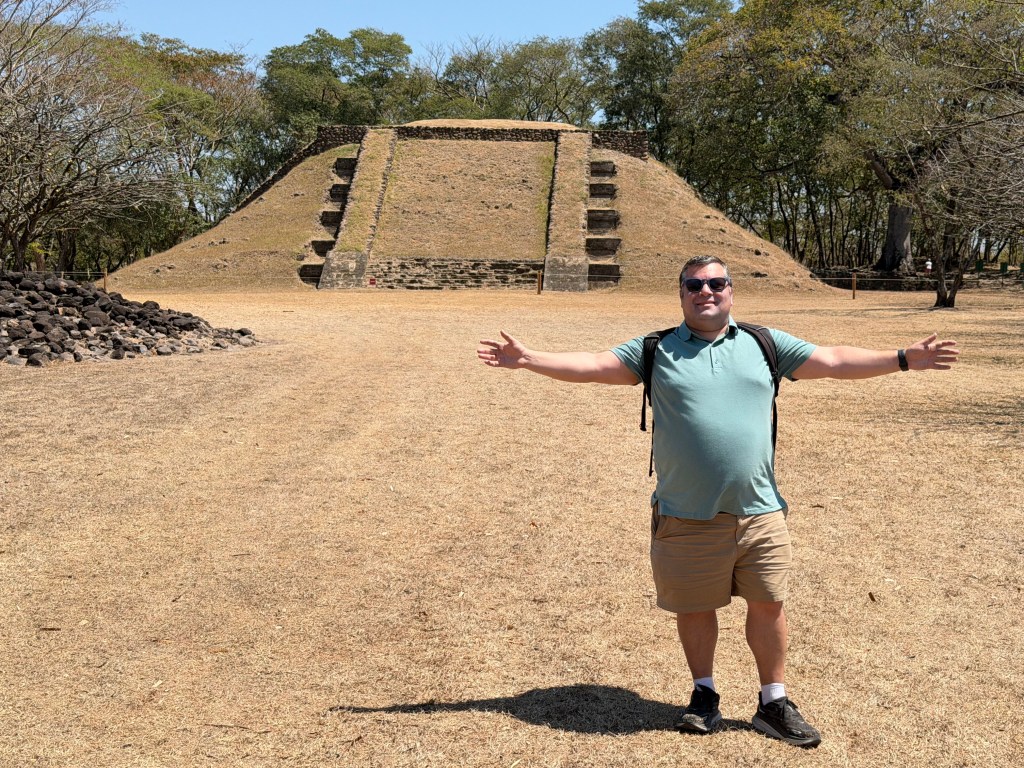
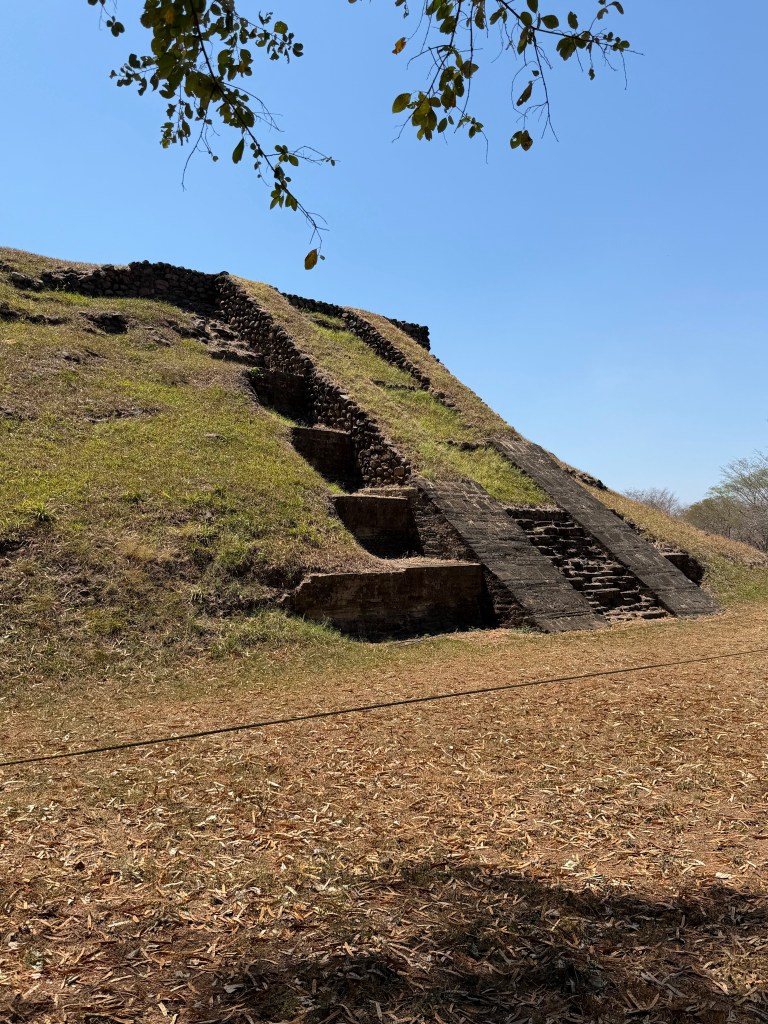
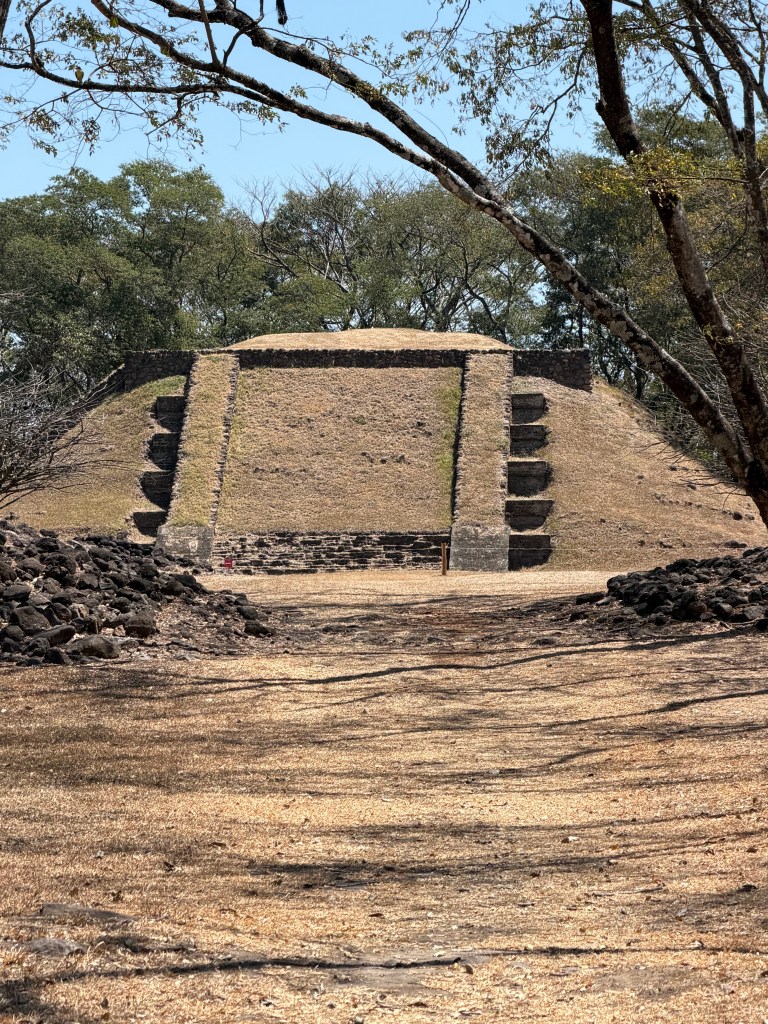
While some people are preserving indigenous languages, other people are preserving indigenous architecture and ruins. On my way to Suchitoto, I got to explore the (nearly empty of tourists!) Cihuatán. These 1000-year-old ruins are still being excavated since they’re a relatively recent find. And unlike in some other countries in the region, you can still climb the pyramid!

Those of you who know me well know that in certain circumstances, I have a fear of heights. Sometimes I like to challenge myself to overcome it and sometimes I decide it’s not worth it. In this case, I decided to climb the pyramid. I took it “one step at a time”, just like my mom’s mantra, and I made it to the top. I looked down, my guide took a picture of me, and I made my way down. It was incredible not only to look out and conquer my fear for that day, but also to literally be stepping on over 1000 years of history. I couldn’t recommend this place more!

After a week of exploring El Salvador and enjoying every bit of it, I decided to join the local synagogue “Comunidad Israelita de El Salvador” for Shabbat services. The total community in El Salvador is only 200 or so people. And yet there were over 20 people at services that night, meaning 10% of the community. It’s really impressive. You don’t often get more than 30-50 people at Shabbat services at 4000-person synagogues I’ve been to in Maryland and Atlanta. What would Jewish life be like if American Jews were a little more participatory? A little more Salvadoran?

The services were musical and joyous and just wonderful. The congregation is led by an Argentinian rabbi and I was able to meet congregants from all over the world in just a few minutes: Colombia, Venezuela, the U.S., El Salvador, and so many more places! Because this is Latin America, the greeting from many people was a kiss on the cheek. It felt so warm and welcoming. I highly recommend visiting this synagogue if you come to El Salvador.

I could write for ages about how awesome El Salvador is, but the bottom line is you should go see it and experience it with your own two eyes. The media wants to talk about politics and violence because they’re “sexy” topics which get eyeballs. But in the end, we have a choice of where to look for our knowledge and inspiration. El Salvador surprised me in the best way possible. Beautiful, safe, and filled with some of the most fun and interesting people I’ve ever met. Go visit! ¡Arriba El Salvador!

The Zionist Response to Zohran Mamdani

Subscribe to continue reading

Subscribe to get access to the rest of this post and other subscriber-only content.