The Zionist Response to Zohran Mamdani

The election of Zohran Mamdani has put many Jews, myself included, on edge. You can look up his long history of virulently anti-Israel comments here. His obsession with Israel (and not with other countries’ human rights concerns) is antisemitic. He has no problem marching in the NYC Pakistan Day Parade but boycotts the Israel Day Parade. The double standard is appalling, given that Islam is the official state religion of Pakistan and religious minorities and LGBTQ+ people are legally discriminated against. Yet it is only Israel that Mamdani chooses to boycott. No country is perfect and expecting Israel to be exemplary while excusing Pakistan’s human rights abuses is bigoted.

The purpose of this post, though, is not to rehash what many media outlets, Jewish organizations, and politicians have debated. I find Mamdani’s rhetoric appalling and antisemitic. You may not. But one thing is crystal clear: Mamdani has clearly said he boycotts the world’s only Jewish homeland and that requires a forceful and thoughtful response. Because Israel, for all its imperfections, is the only safe haven for our people and has saved the lives of millions of Jews from around the world fleeing persecution.

This post is about what’s next.

First, let’s define Zionism. Zionism is the national liberation movement of the Jewish people. It is the belief that Jews are a people, an ethnic group with literature, cuisines, customs, languages, and millennia of shared history. There are right-wing Zionists, centrists, and left-wing Zionists who have debated the future of our people and our relations with our non-Jewish neighbors both inside and outside Israel’s borders. But fundamental support for a Jewish safe haven in our ancestral homeland is backed by the vast majority of American Jews – 85% in this poll. You don’t need to agree with all of a particular Israeli government’s policies to believe that Jews need a place to call home.

Now that we’ve defined the problem (Mamdani) and what Zionism is (and isn’t), let’s talk about what a Zionist response to his rise should be.

The Zionist response to antisemitism is to invest in our people, our homeland, and our allies.

Our people. We should proudly support proud Jewish artists, educators, writers, and businesses who contribute to the well-being of our community. For every boycotter like Mamdani, buy another gift from Israel for your friend for Chanukah or from one of my favorite Zionist artists in Alexandria, VA. Check out Modern Tribe as well! Put your money where your mouth is.

Our homeland. In addition to supporting Jewish businesses, find ways to strengthen Israel. Donate to the Spirit of the Galilee, led by my dear friend Rabbi Leora Ezrachi-Vered, a group promoting co-existence between Israelis of all faiths. Support Blend.Ar, led by my friend Chen Kupperman, which organizes Arabic immersion courses in Abu Ghosh to promote thoughtful collaboration between Jews and Arabs. Contribute to Magen David Adom, Israel’s emergency responders who treat (and are treated by) people of all faiths. There are so many other fabulous charities out there that deserve your backing. Don’t hesitate to reach out if you need some advice about how to strengthen Israeli society.

Our allies. Many non-Jews are standing by our side and deserve recognition. If we take some of the energy we feel towards people like Mamdani and put it towards thanking people who have our back, we’ll feel better. For example, I live in Atlanta and the moderate mayor Andre Dickens won re-election Tuesday too. He has visited Israel and vigorously condemned the October 7th attacks. He takes safety seriously for his Jewish constituents. It’s people like him we need to elevate in our national discourse. Thank politicians like him for standing with us and support them with votes and donations. And donate to non-partisan organizations like the American Jewish Committee that build bridges of understanding between Jews and diverse communities.

In the end, the best response to hate is to remember that we may despair and feel like it’s 1933, but today is different. We have a homeland to call our own. We must stand together with our people, our safe haven Israel, and our non-Jewish allies. Haters gonna hate, but we are a strong community full of love and hope and we will come together and win.

A few days before the election, I was uncertain how to react to a near-certain Mamdani victory. A friend told me Delta restarted direct flights from Atlanta to Tel Aviv and I jumped on the site and bought a ticket to Israel. I’ll be back in Israel this spring for a long visit and I’ll be looking for all sorts of ways to support my friends there – Jews, Christians, Muslims, and Druze. Because by building a stronger Israel, I not only help them, I help bring greater safety and security and resilience to Jews in New York and around the world.

Yachad nenatzeach. Together, we will win.
Making Peace With Arabic

My journey with Arabic started at the local Jewish Community Center, where I took a class in high school. I then studied the language for four years in college and with Syrian refugees on Skype. My studies were helped by my passion for languages and my love for Hebrew, its very similar sister language.

Why Arabic? It all started when I was sitting in my Lebanese friend Jad Zakhour’s (z”l) car hearing my first sounds of Arabic music. It was those tantalizing sounds, plus the delicious food and warm welcome I always received in his house, that caused me to become curious about this language. After all, Arabs and Jews are cousins. If we’re ever going to make peace with each other, we need to understand each other.

As with many other Jews and Israelis, I felt the pain of October 7th deeply and personally. In addition to the horrific results of the attack, the subsequent war has involved my friends risking their lives by serving in the military, going through countless rocket attacks, and a friend’s nephew being injured in the vile Hezbollah terrorist attack on Druze kids playing soccer in Majdal Shams.

I lost friends over the past couple years who showed their antisemitic (or at best, deeply ignorant) sides to me. I was discriminated against in the LGBTQ+ community, including being screamed at in public for being Israeli. I would walk by my local synagogue only to find antisemitic graffiti daily across the street.

All of this caused me to distance myself from Arabic. Anything that sounded like Hamas, like terrorism, like antisemitism, made me feel disgusted and frankly, scared. This was not an easy thing for me to reject. I had written an entire book about my relationship with Arabic as a gay Jew. Arabic is in my veins, it is part of what motivates me to make the world a better place for everyone. Yet the pain was so raw I just couldn’t do it. I couldn’t even listen to Arabic music for over a year.

Something changed for me recently. Because of the Syrian government’s attacks on its Druze minority, Arabic’s spirit has reawakened in me. Why? I’m not entirely sure. But I think it’s because I remembered – Arabic is not just Hamas. Arabic is not just Hezbollah and the wretched Syrian government. It is also the language of the my friends. It is the language of 20% of Israelis. Yes, it is a language of many Muslims – and also Christians, Alawites, Druze, and Jews! It has been a Jewish language, with specific Jewish dialects, for many hundreds of years across the Middle East. Some of which were spoken by my Iraqi Jewish neighbors in Tel Aviv.

Terrorists don’t get to “own” a language. Neither do antisemites. Arabic can and should be for all, just like any other language. It is a way to communicate, it is a way to build bridges, it is a way to make peace. I don’t know how to make peace in the Middle East, but I do know I’m in the process of making peace with Arabic. And maybe, here as I sit writing and soaking in the sounds of the Arabic music that got me interested in the first place, making that peace internally is the first step to making a more peaceful world for everyone.

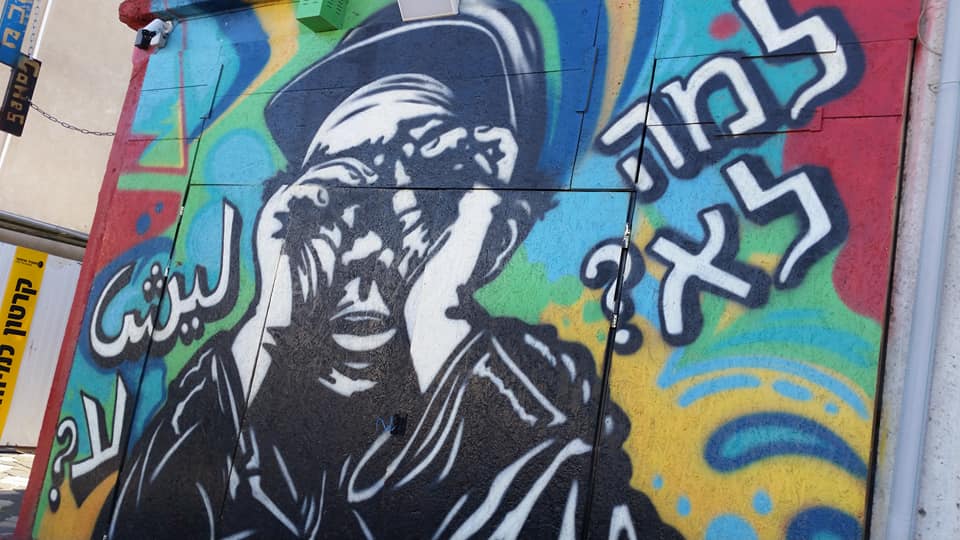
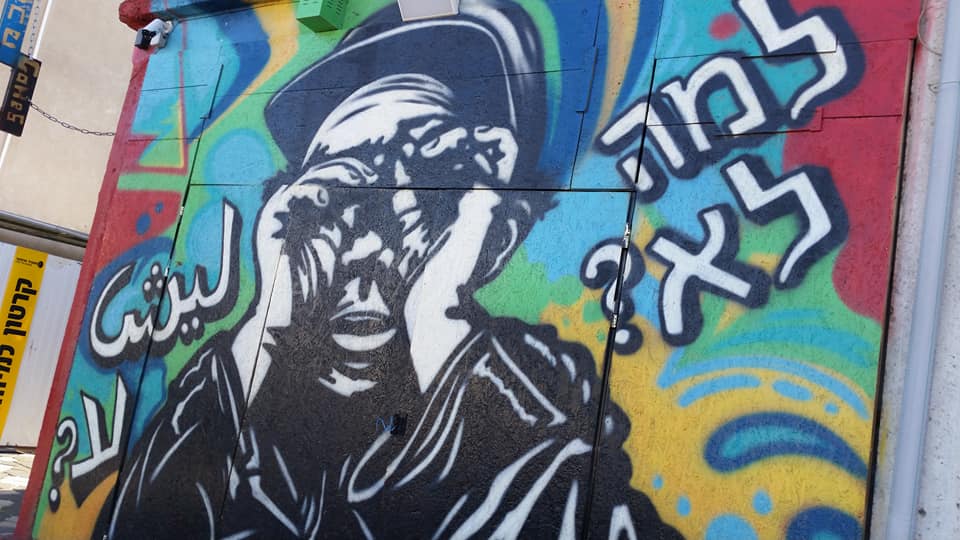
As my blog banner photo from Majdal Shams says in Hebrew and Arabic: “why not?” The time to heal, to build, and to grow is now. Make your internal peace and then maybe one day all sides can reach out their hands to create a safer, more peaceful world. Ken yehi ratzon, inshallah, may it be so.

Sicily and Malta: echoes of Israel

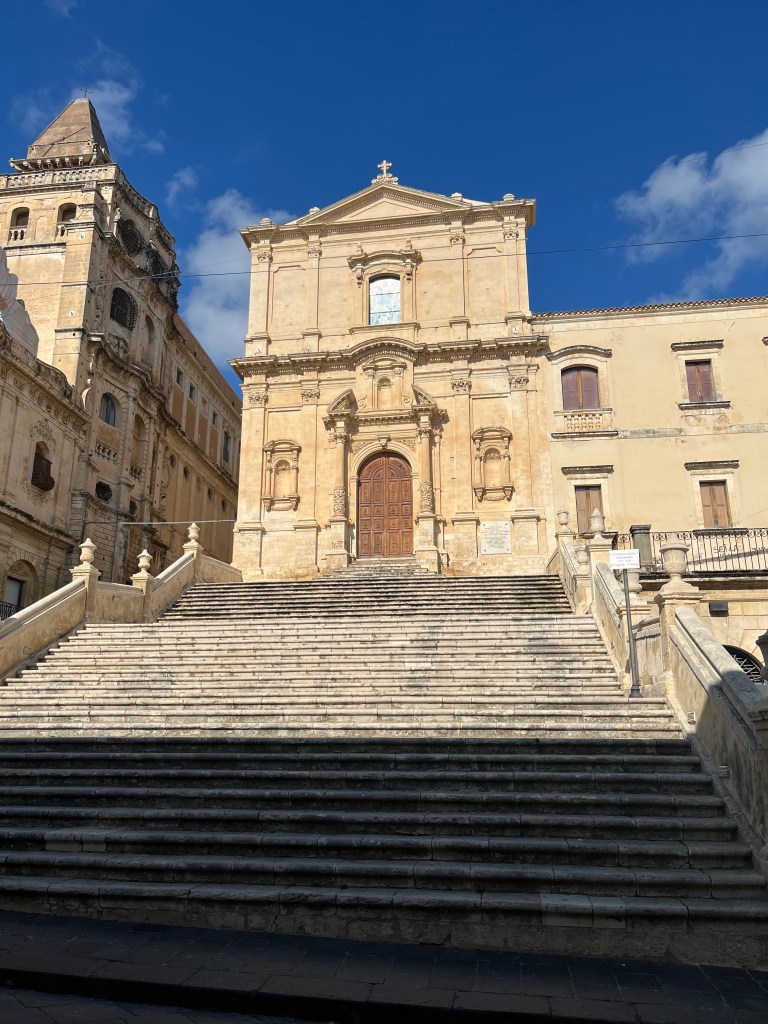
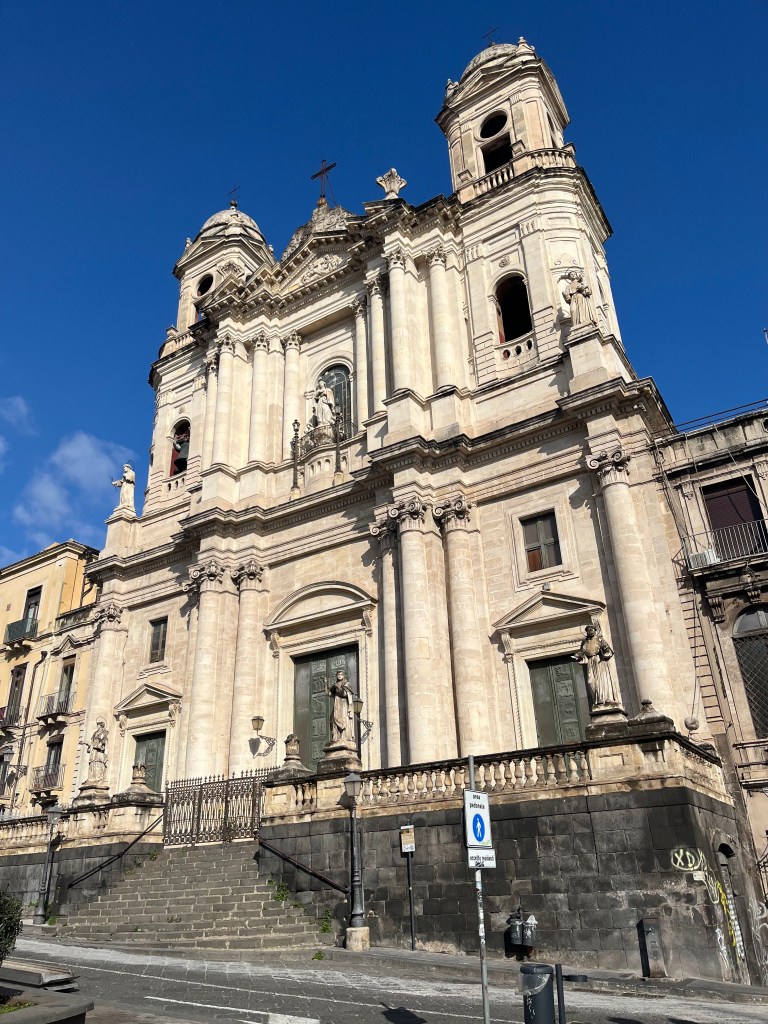
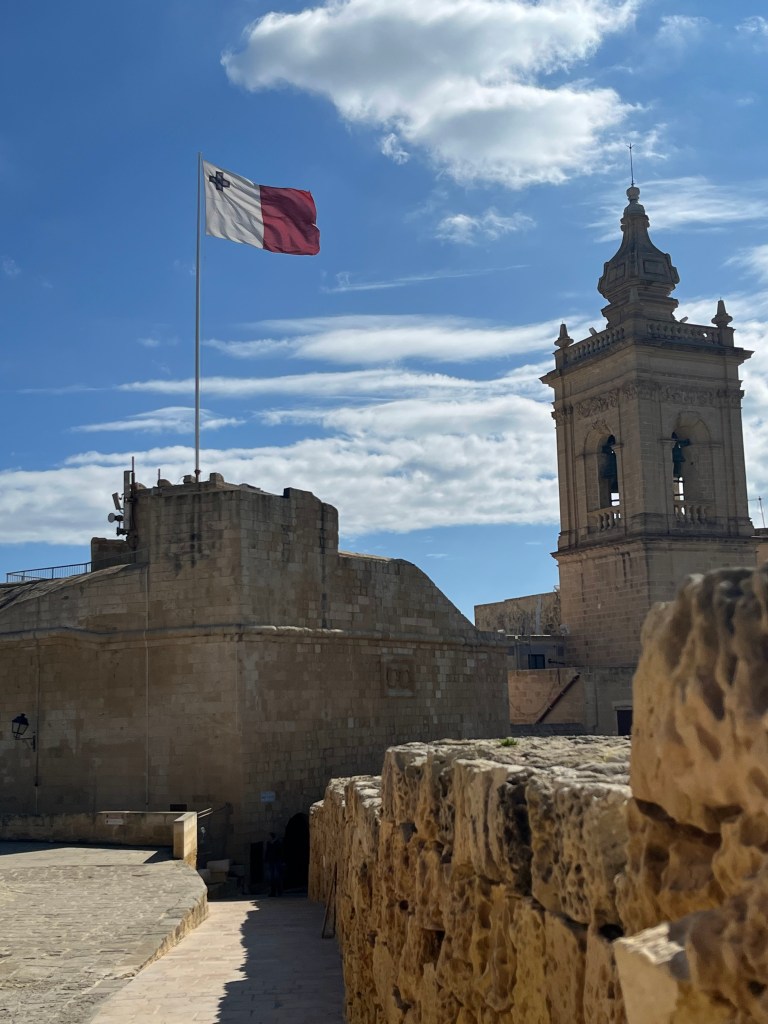
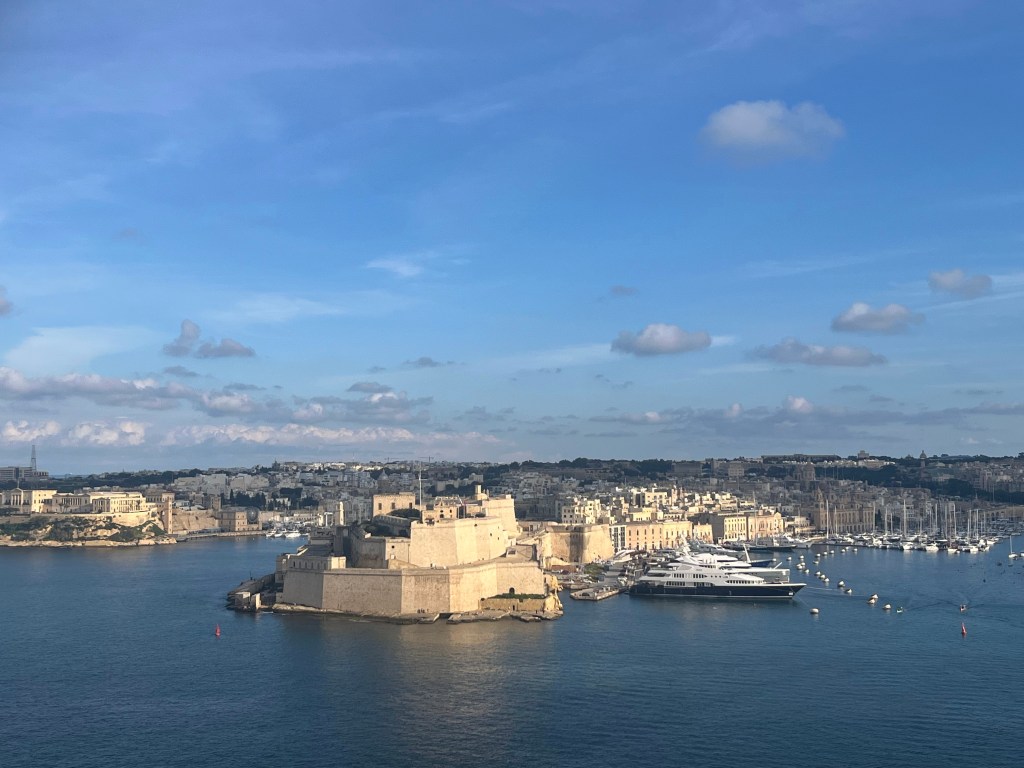
Sicily and Malta are two of the most beautiful places I’ve ever visited. The Mediterranean islands have a lot in common. They’ve been conquered by many civilizations, including the Greeks, the Romans, the Arabs, and countless others.

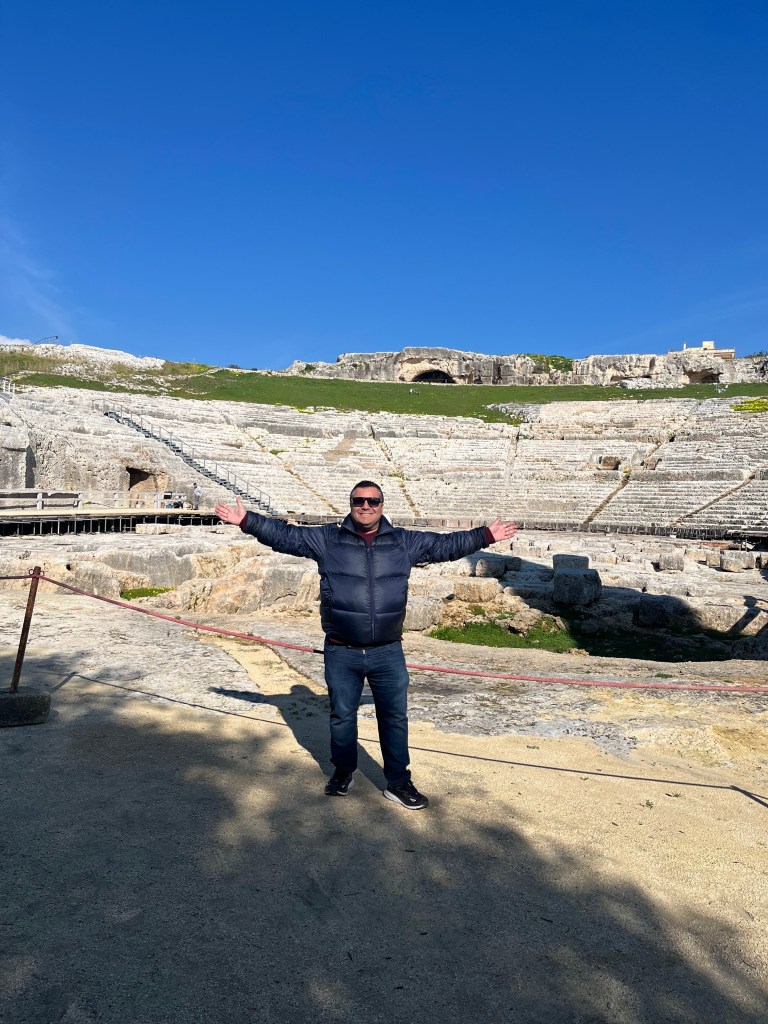
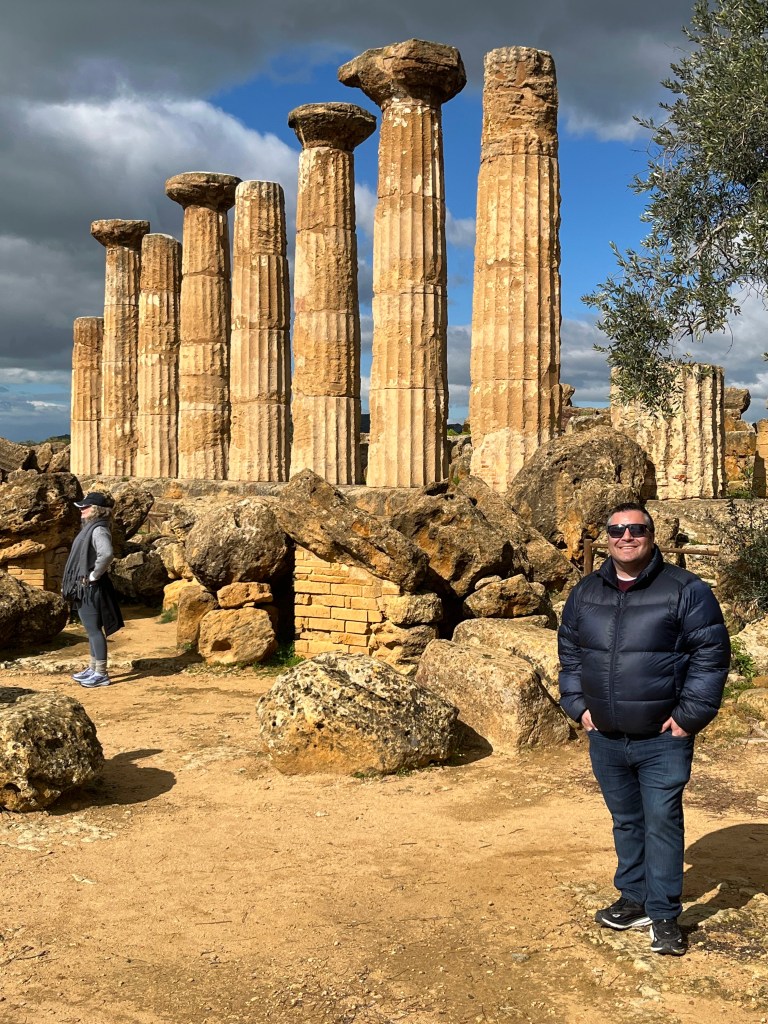
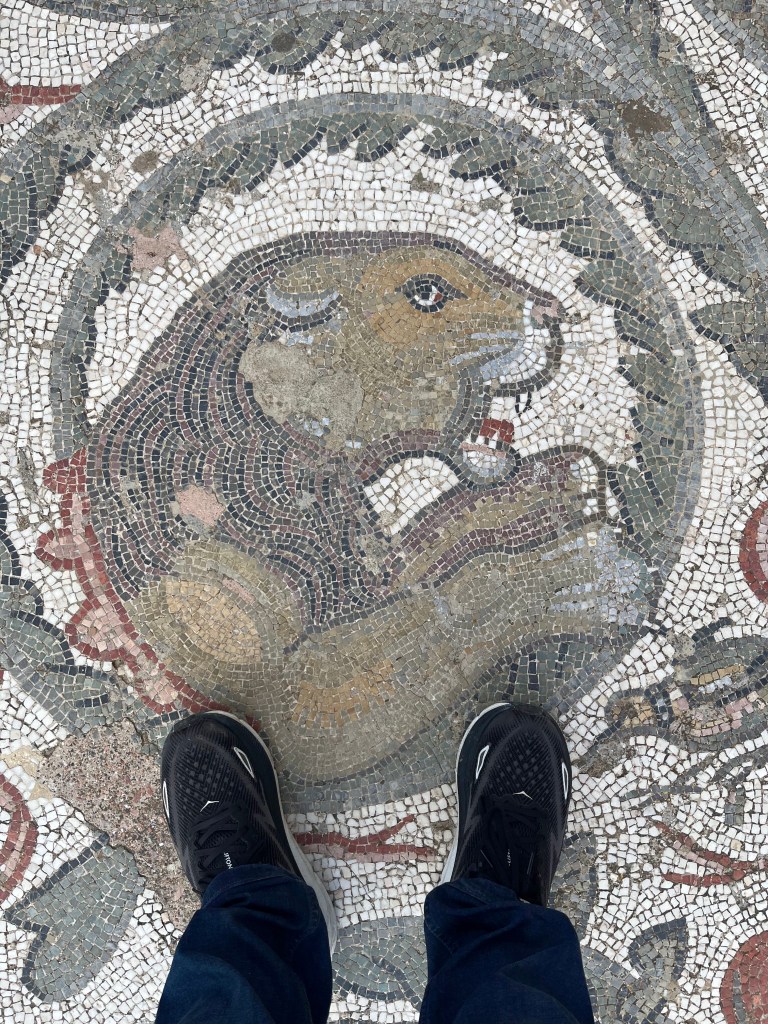
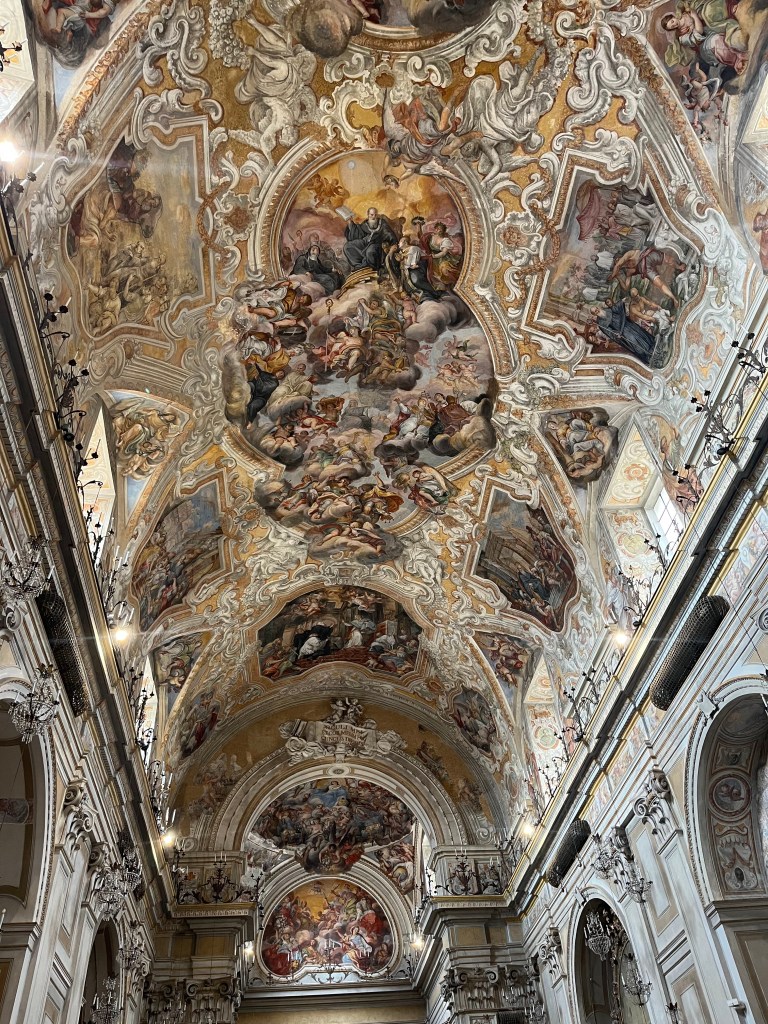
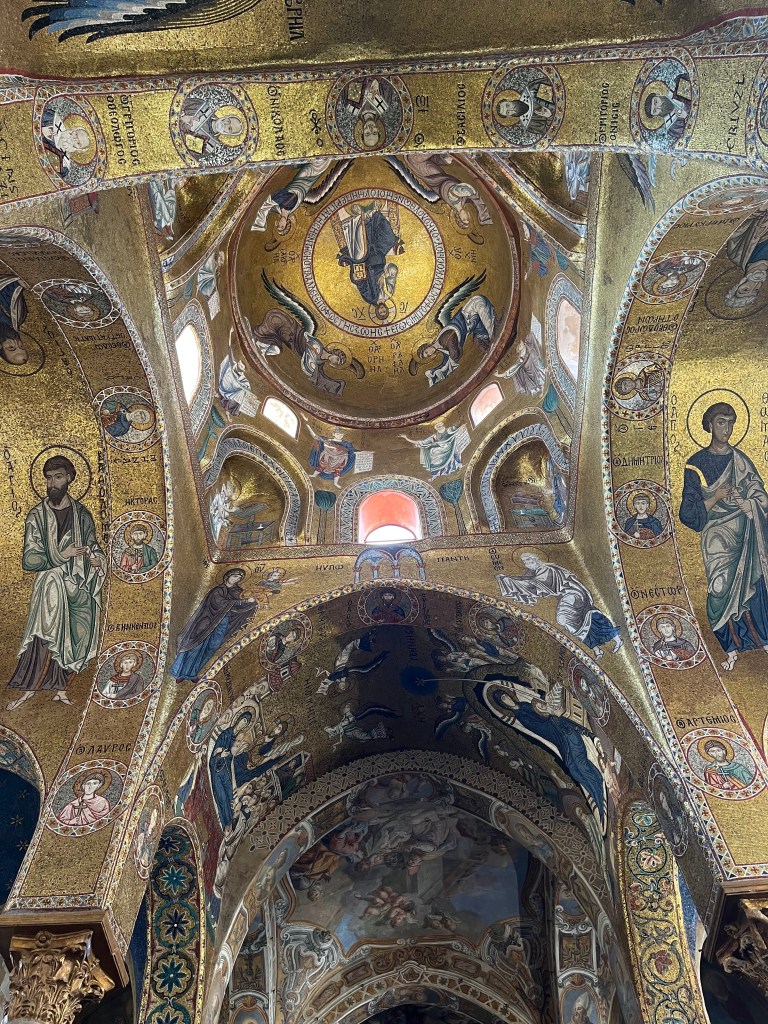
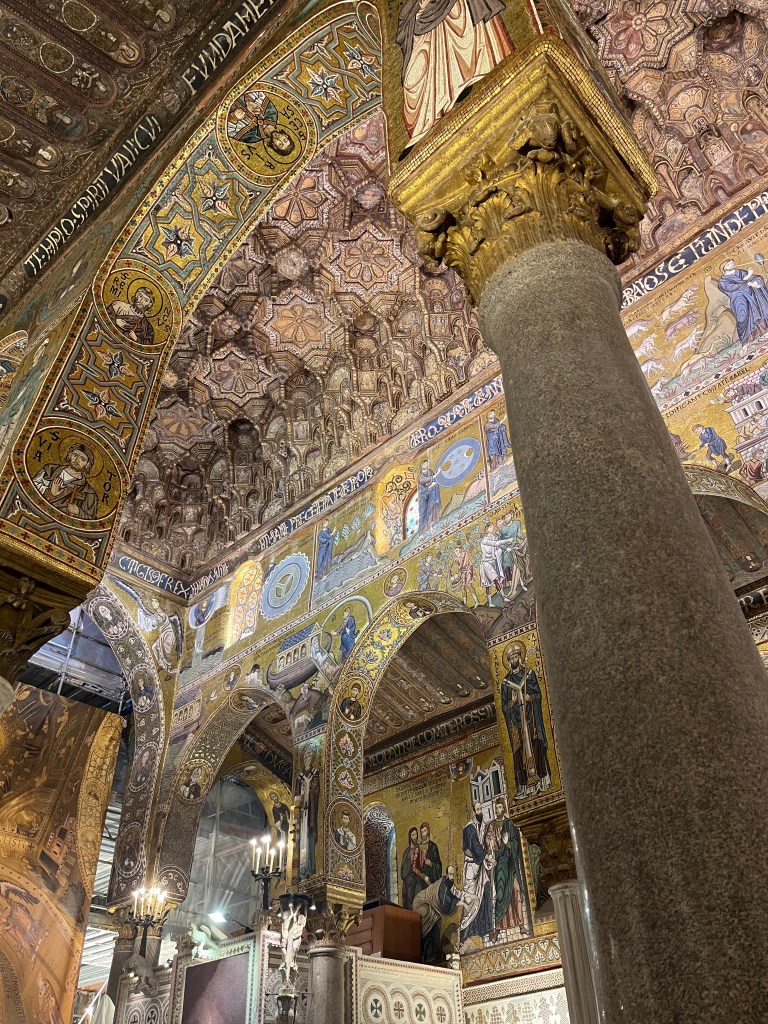
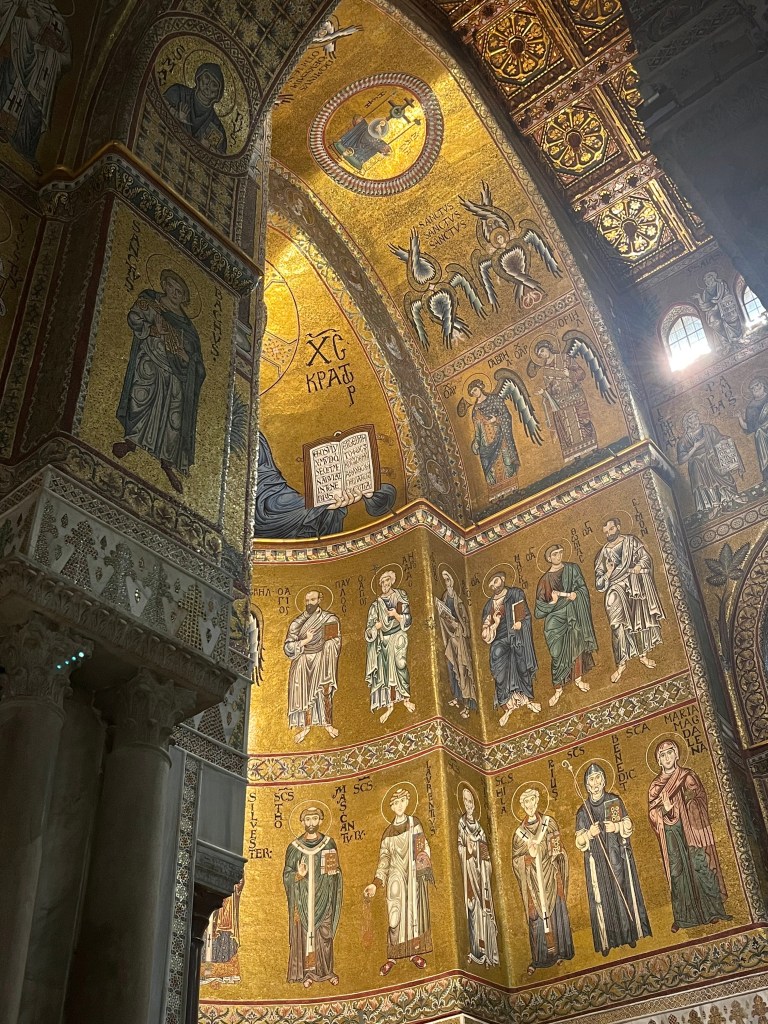
Each civilization has left its mark on the islands’ history. In Sicily, there are Roman mosaics, Greek theaters, Greek temples, Baroque churches, Arabesque cathedrals, even Middle Eastern-inspired food that is quite different from what you might encounter in northern Italy. I did a street food tour and enjoyed every last bite.

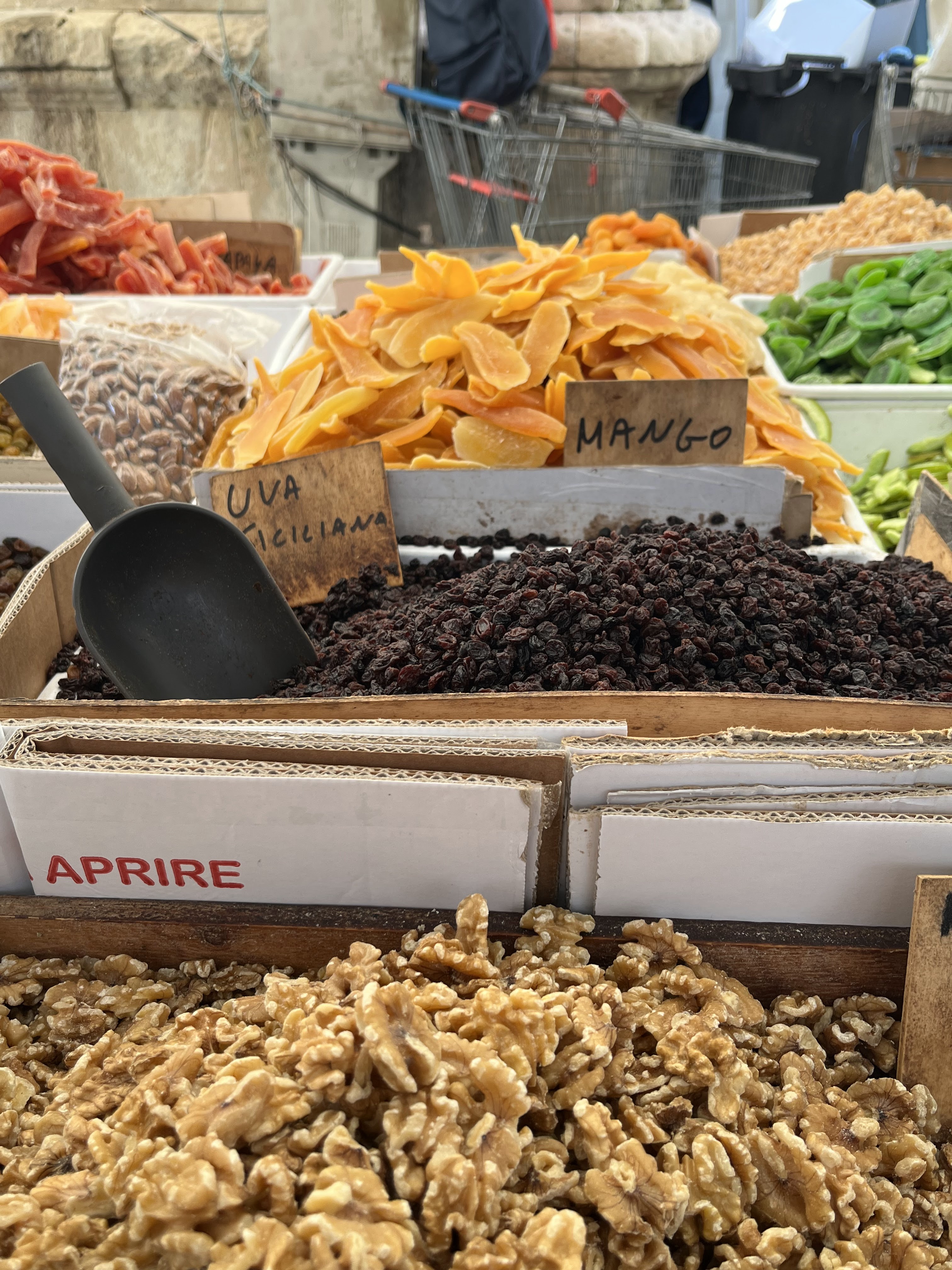
Even the markets in Sicily look almost identical to Israel or any Middle Eastern country. With loud shouting and free samples!

Malta is even more Middle Eastern than Sicily! I speak Arabic and when I wanted to catch a cab from the airport to my hotel, I heard a driver talking to another driver. I understood almost every word. I hopped in the cab and asked the driver if he was speaking Arabic or Maltese, the local language. He said Maltese! I was stunned. This man’s speech sounded so familiar to me that it almost sounded like a Tunisian immigrant to Malta speaking Arabic.

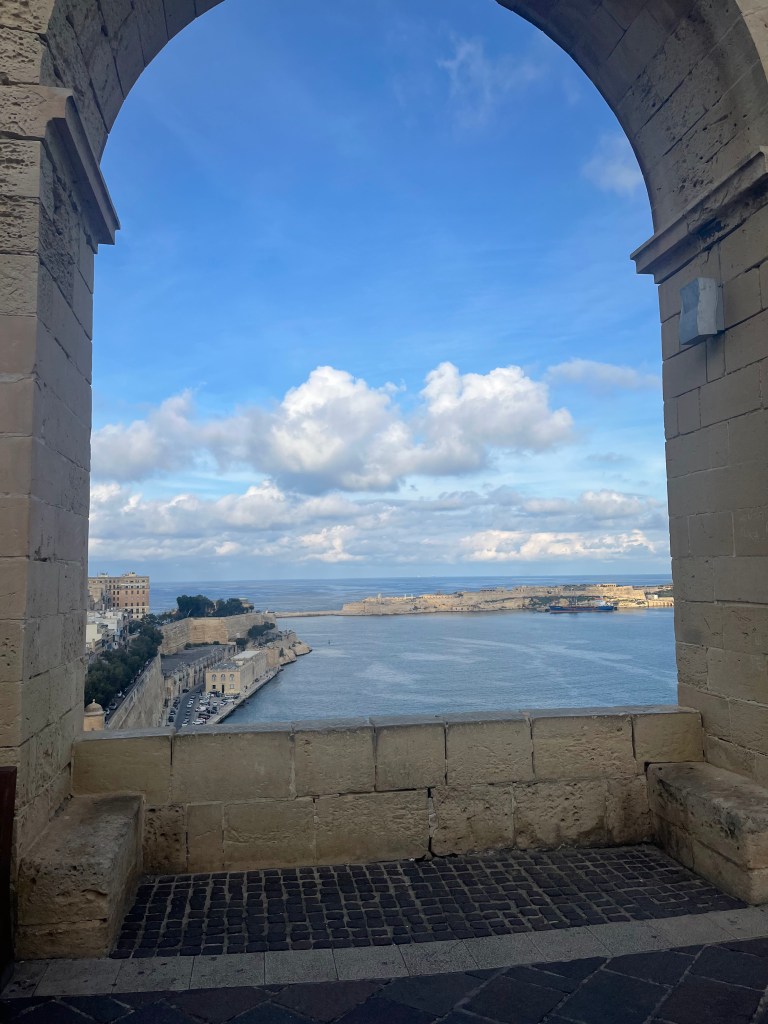
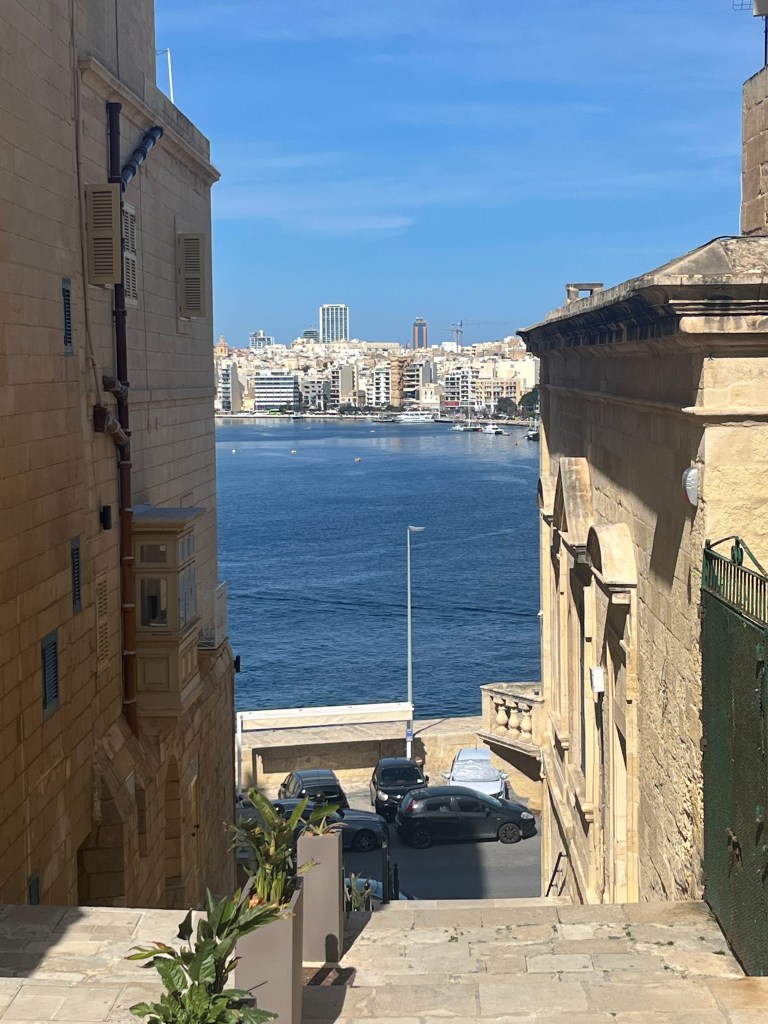
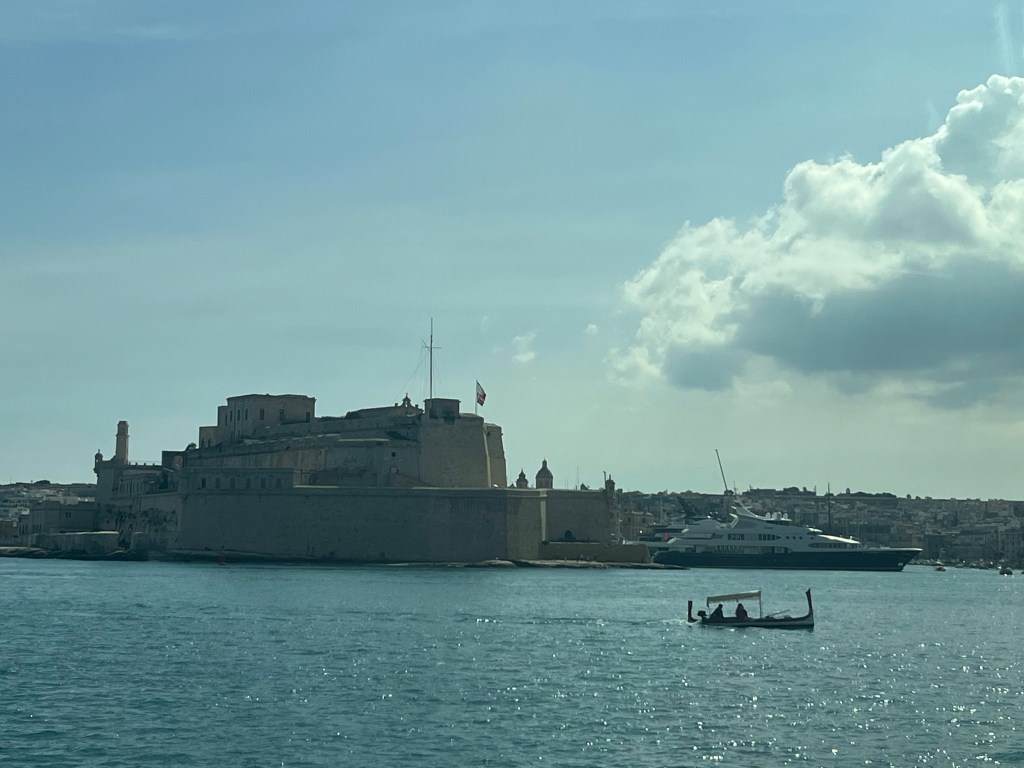
The architecture in Malta, in particular, is very reminiscent of what you’d find in Israel in places like Akko and Jerusalem.

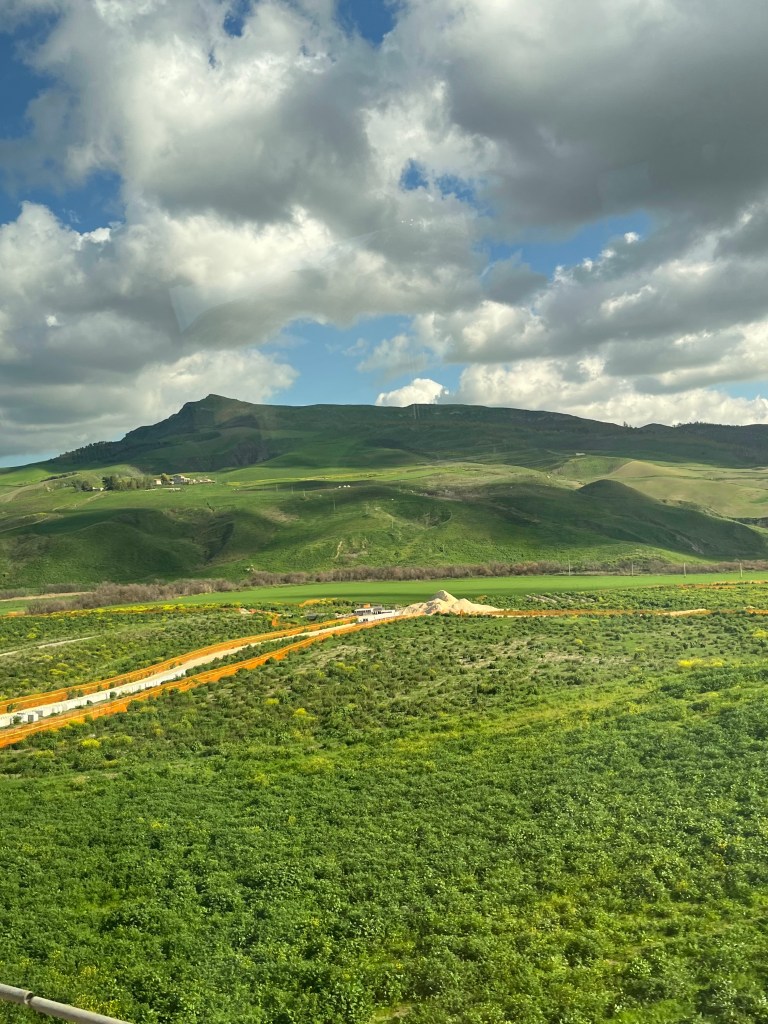
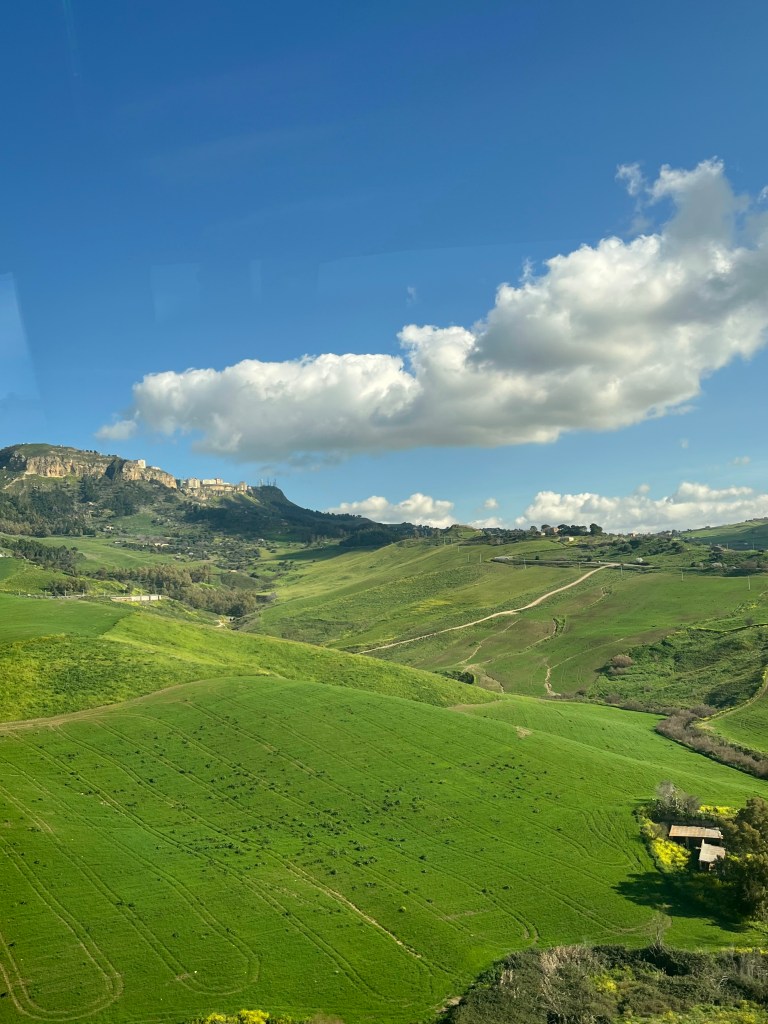
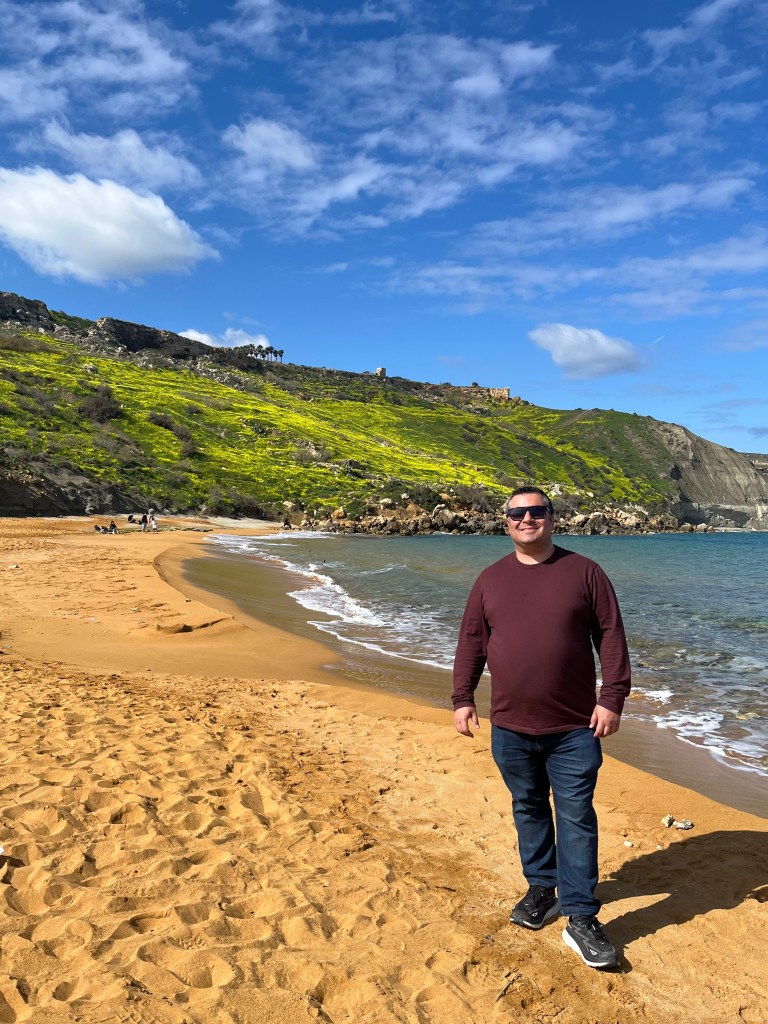
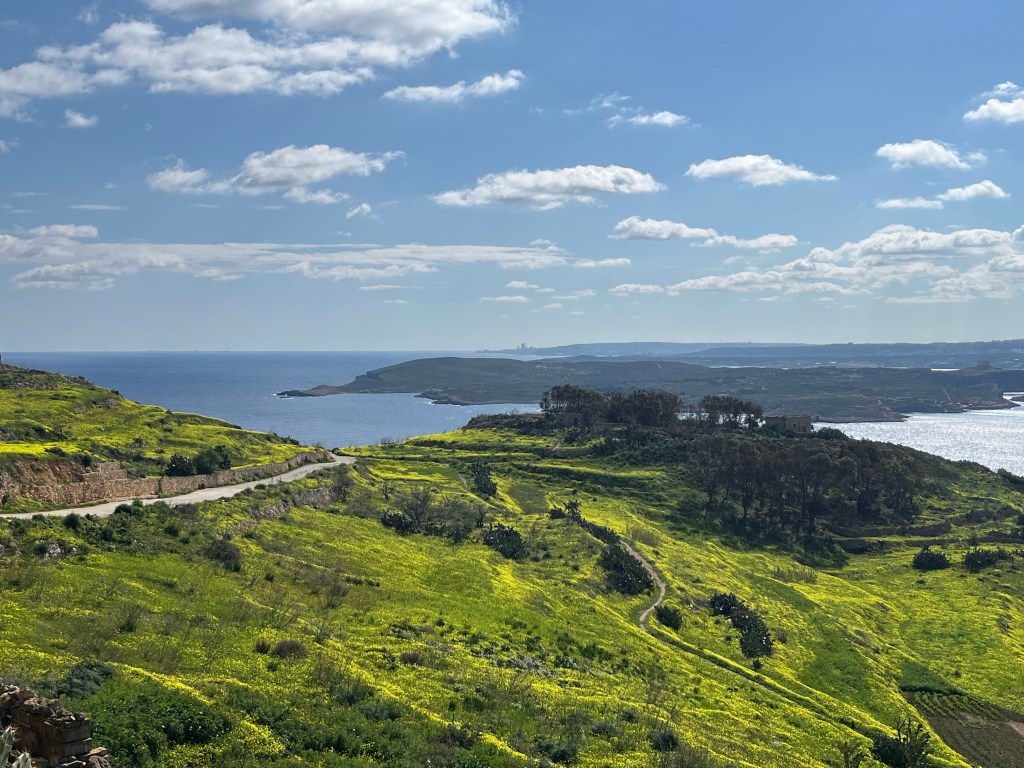
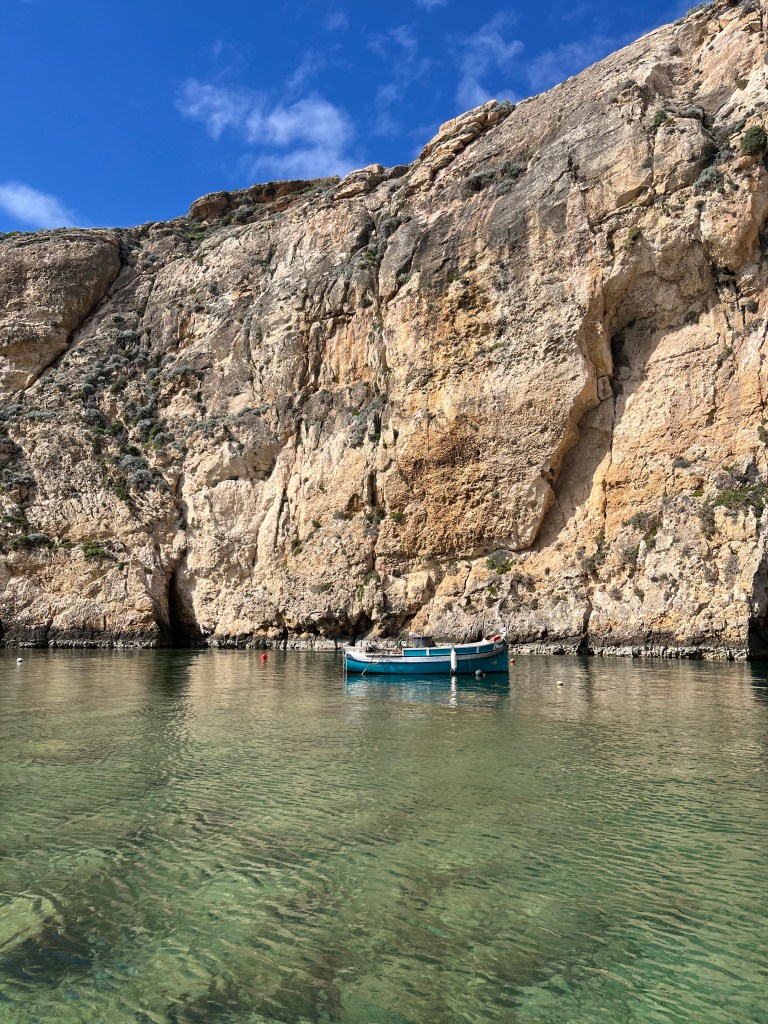
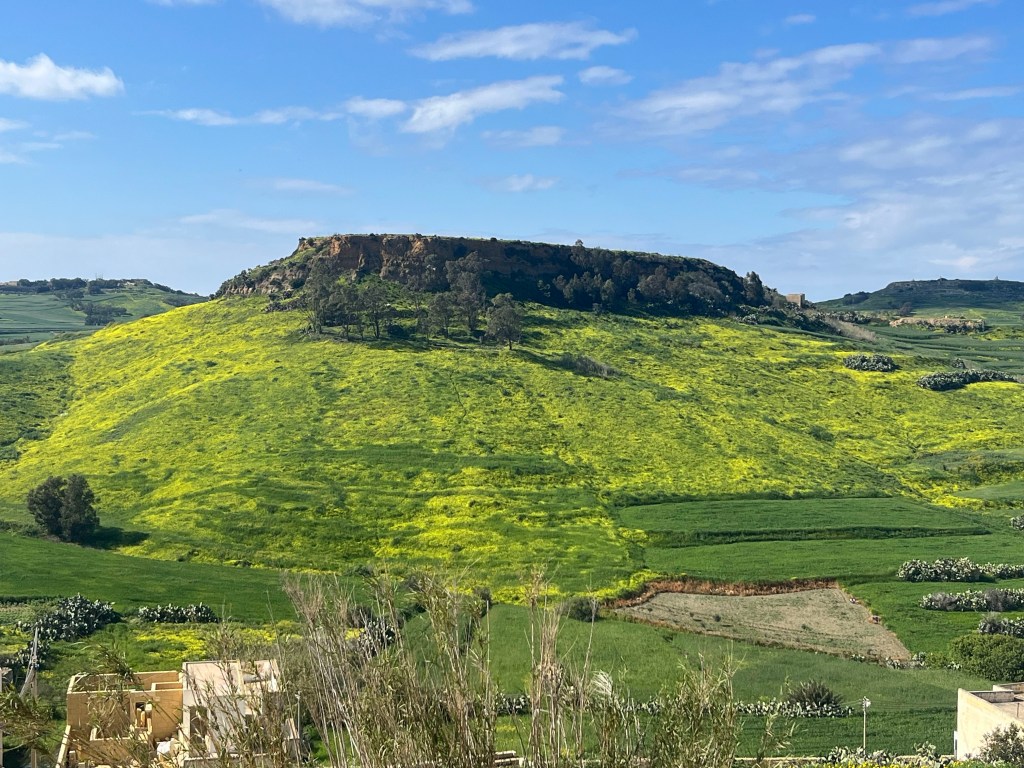
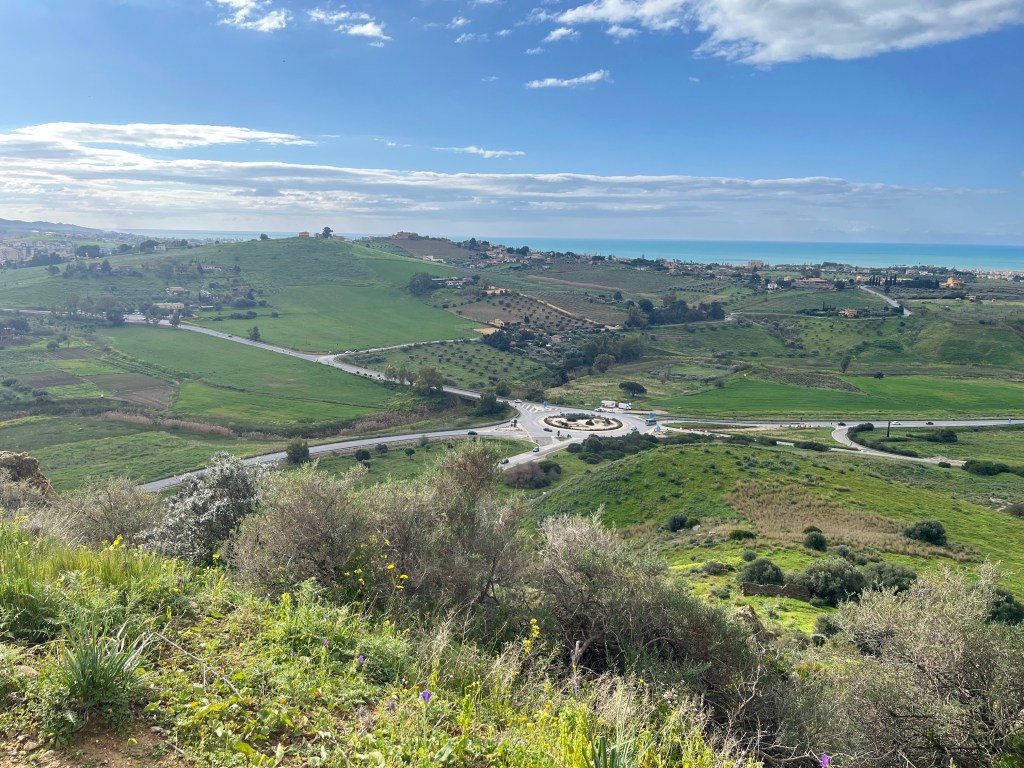
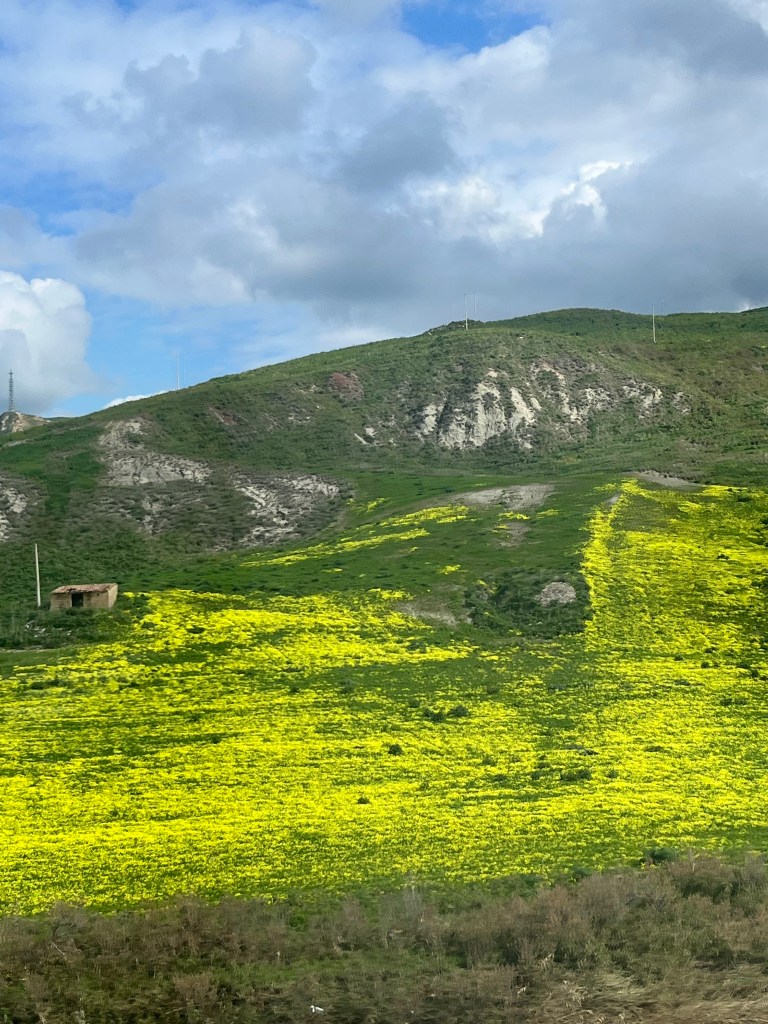
The nature in both countries is stunning. Malta’s blue lagoons and cliffs. Sicily’s incredible countryside, full of green hills, yellow flowers, lemon trees, and of course views of Mt. Etna (which erupted while I was on a bus!).

The Maltese and Sicilian people were incredibly friendly, especially in Malta. Both countries drive like maniacs but the people – the people were the superstars. They were so open. They were so willing to unabashedly share their stories, their lives, their problems with their spouses, their hopes, their dreams, their politics – it felt like being back in Israel but in a place that hasn’t known war in a very long time.

I have a lot to say about my experience in these two incredible countries. The sights to see are countless. The vibes are fabulous. The food delicious.

I couldn’t help but think that maybe one day, when Israel is given a chance to breathe, and when its neighbors accept its existence and all choose the path of peace, that it can be a destination as tranquil as Sicily and Malta. That have lived through ages of conquest and rich cultural heritage. But have come out on the other side stronger yet still welcoming. Whole.

May you have the great privilege that I did to visit these stunning countries. And may my friends in the Middle East one day know the peace of Malta and the peace of Sicily.

Libi bamizrach. My heart is in the east. Soon enough it won’t be enough for me to see buildings that remind me of Akko and Jerusalem. It’ll be time for me to visit the only place where I’m not a tourist. Where I don’t have to look longingly at beautiful architecture and be the “other”. The only place I can truly call my own.

Malta is home to an Inquisitor’s Palace and Sicily, once home to a bustling Jewish community, wiped it out during that very same Inquisition. These places, like many that I’ve visited, are or have been home to incredible Jewish communities. And I honor their resilience over the years.

And I wish for nothing more than for us to no longer need to be resilient. For us to be as tranquil as the Sicilian countryside or the lagoons of Malta. Because we’ve earned it.

Ken yehi ratzon. May it be God’s will.

Jewish, Christian, and Islamic Córdoba

Spain has an incredibly long history of co-existence (and discord) between Jews, Muslims, and Christians.  Few cities offer a more beautiful way of seeing this interaction than Córdoba.

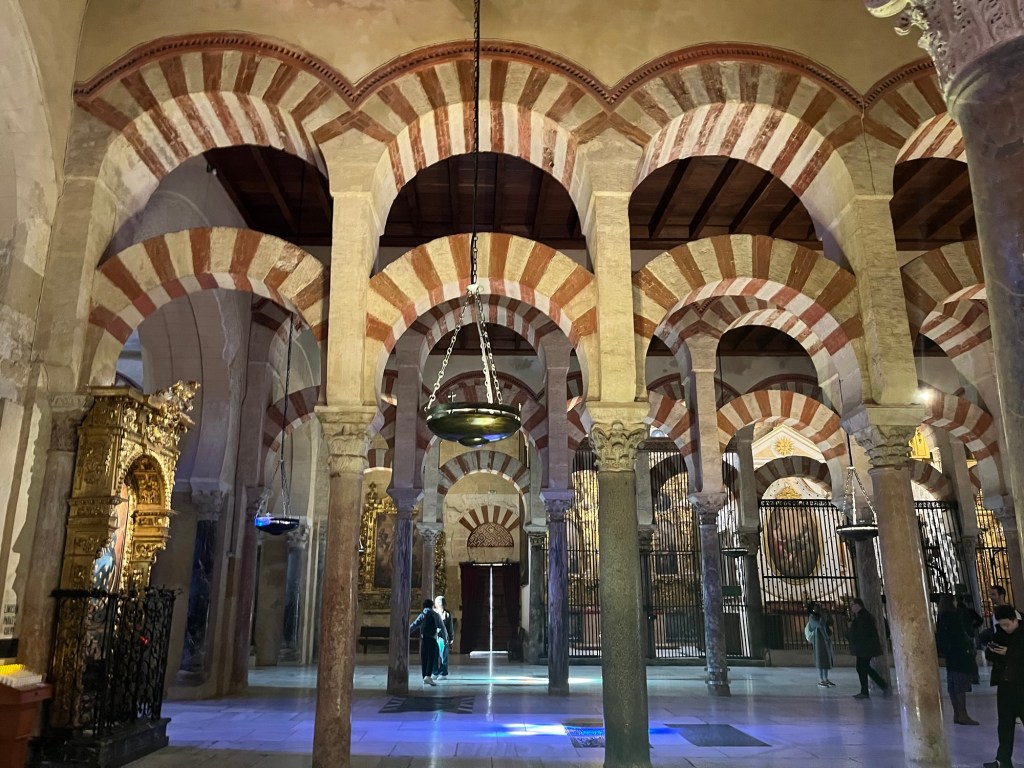
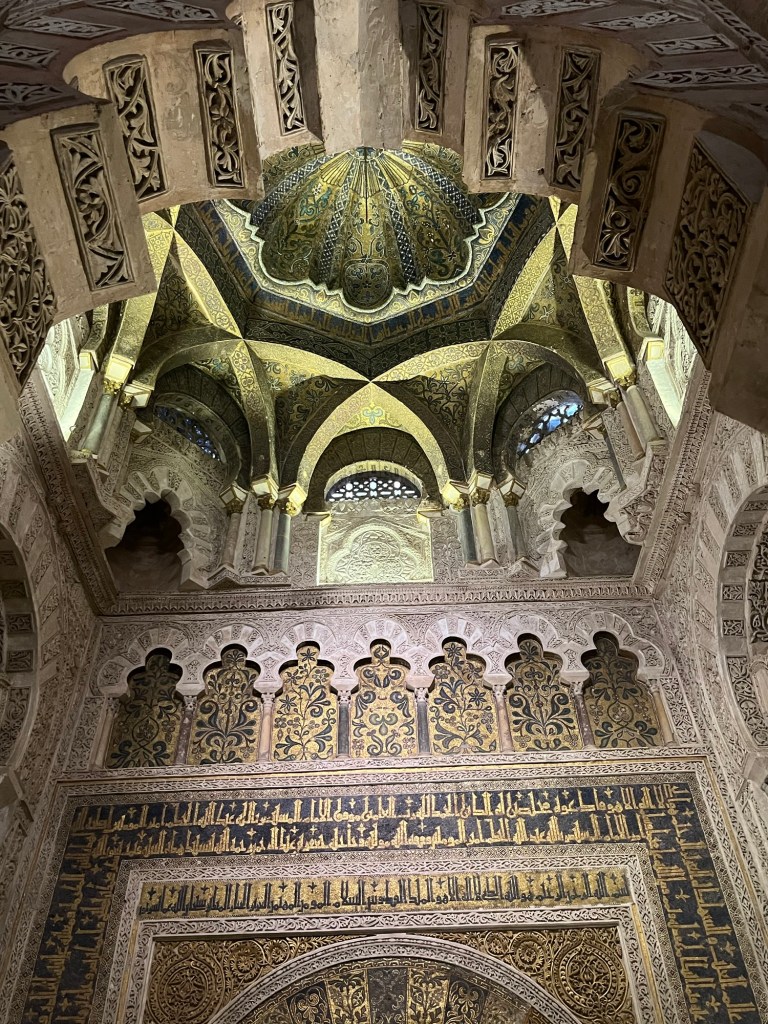
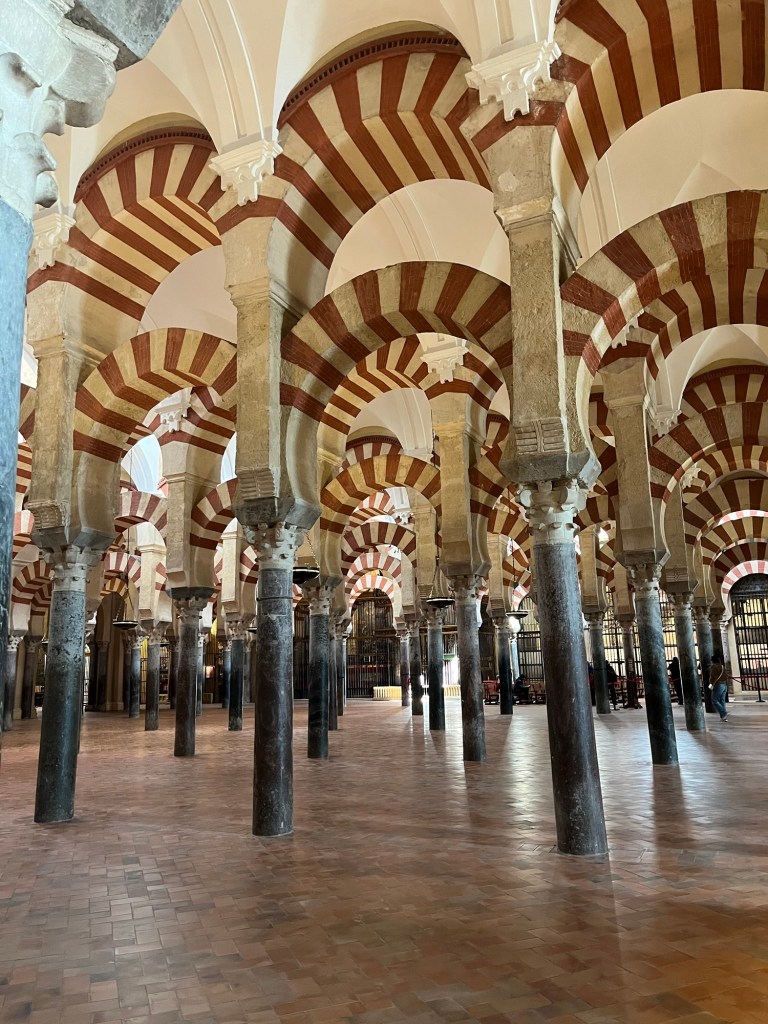
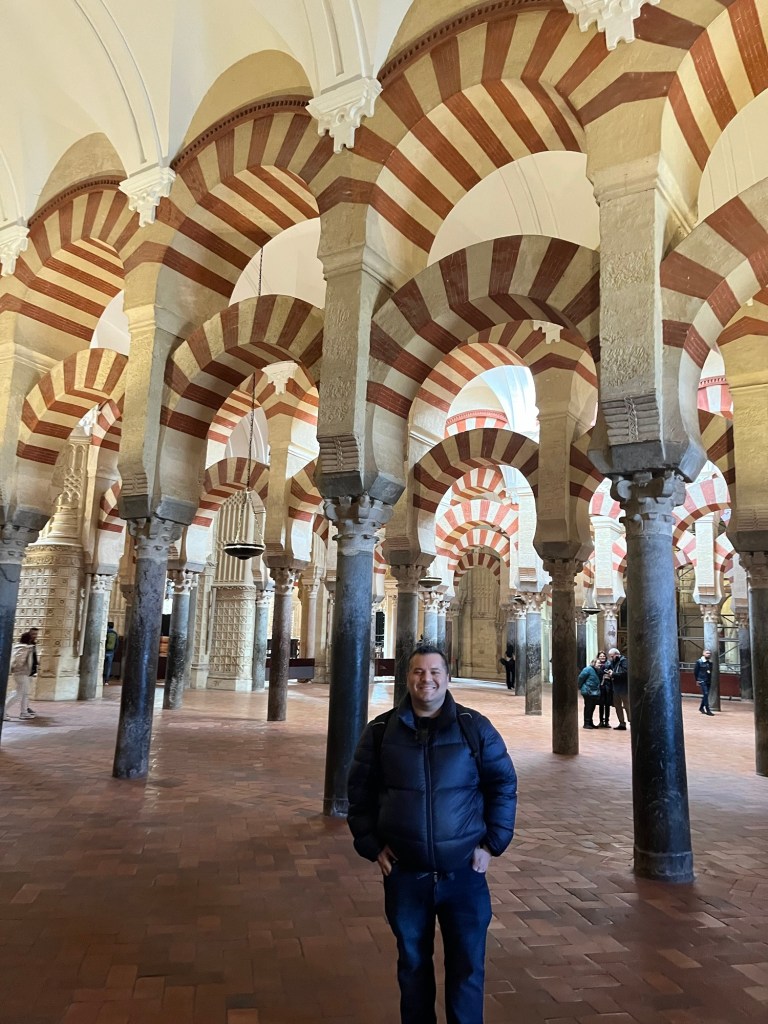
I started my visit off in the Mosque-Cathedral.  Yes, it is a mosque and a cathedral, although actively only a cathedral these days.  Built originally as a basilica by the Visigoths in the 6th century, it was destroyed and then built as a mosque by Muslim conquerors in the 7th century and then dedicated as a cathedral in 1146.  You can see a timeline of the Mosque-Cathedral’s construction here.

The back-and-forth conquest of the area by Muslims and Christians left its mark on the Mosque-Cathedral.  There are clearly Islamic archways throughout the 23,400 square meter building (that’s about 250,000 square feet!).  There’s even a beautifully restored mihrab, which showed Muslim worshippers the direction of Mecca for prayer.

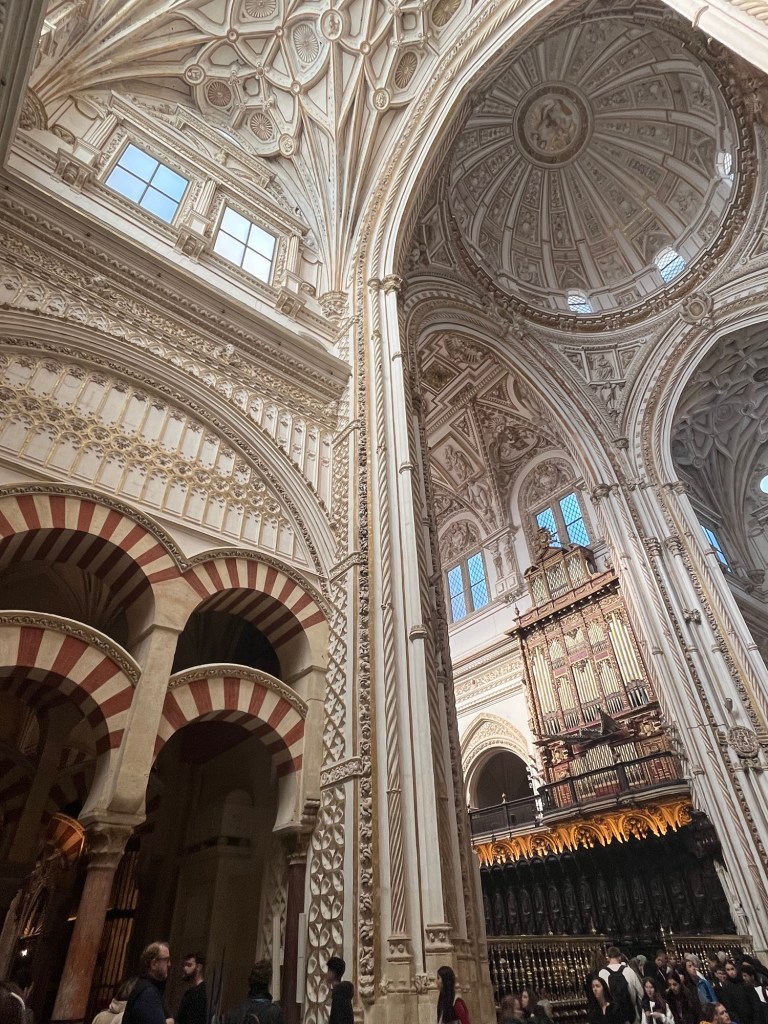
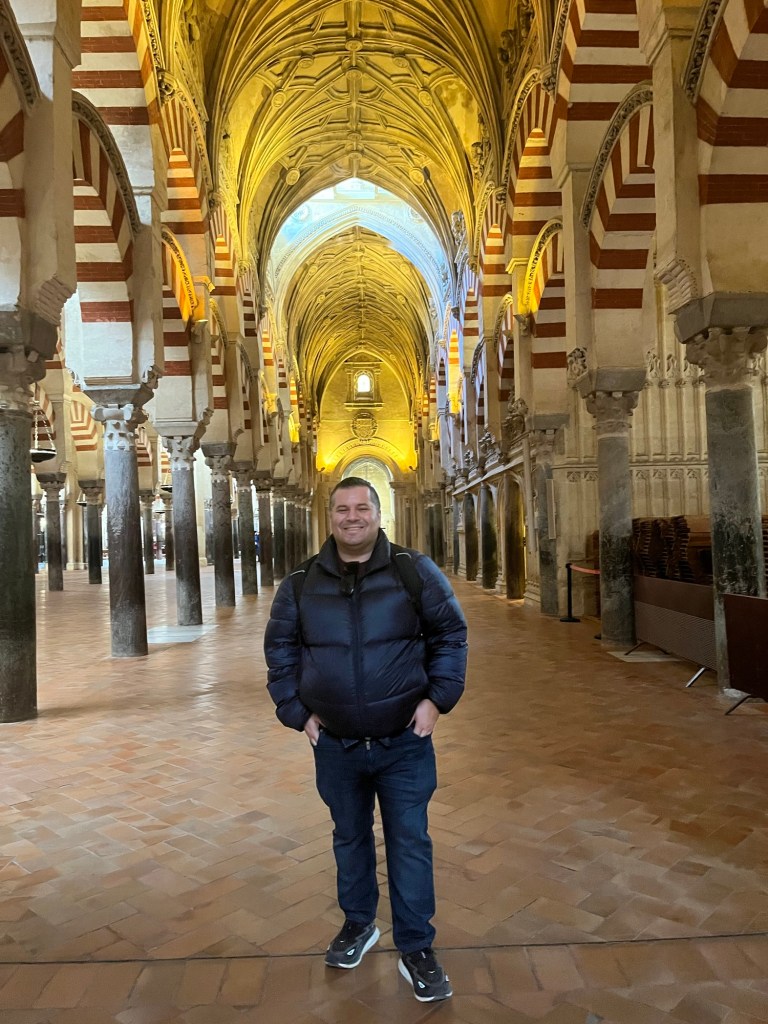
And then smack dab in the middle of the enormous mosque complex, there’s a cathedral!  And from the middle of the cathedral you can still see the Islamic archways that dot the entire campus.  It’s like one civilization couldn’t escape the other.

If you have the chance to go to Córdoba, this building is an absolute marvel and alongside the Alhambra, one of the most impressive pieces of architecture I’ve seen in Spain – indeed, perhaps all of Europe.

After my tour of the Mosque-Cathedral and eating some delicious gelato, I decided to explore the Judería, or Jewish quarter, of Córdoba.  Because Jews also called this place home for many centuries, including the famous Maimonides who was born in Córdoba in 1135.

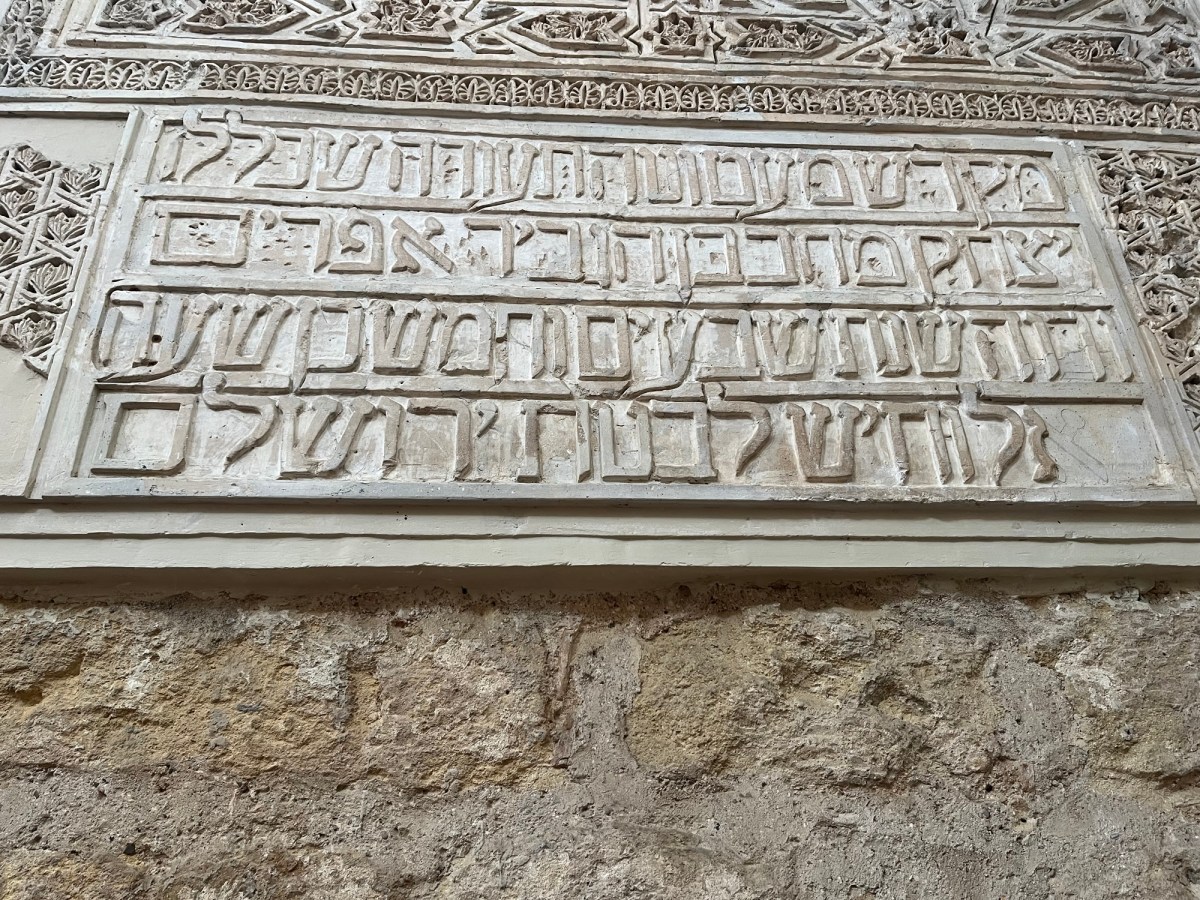
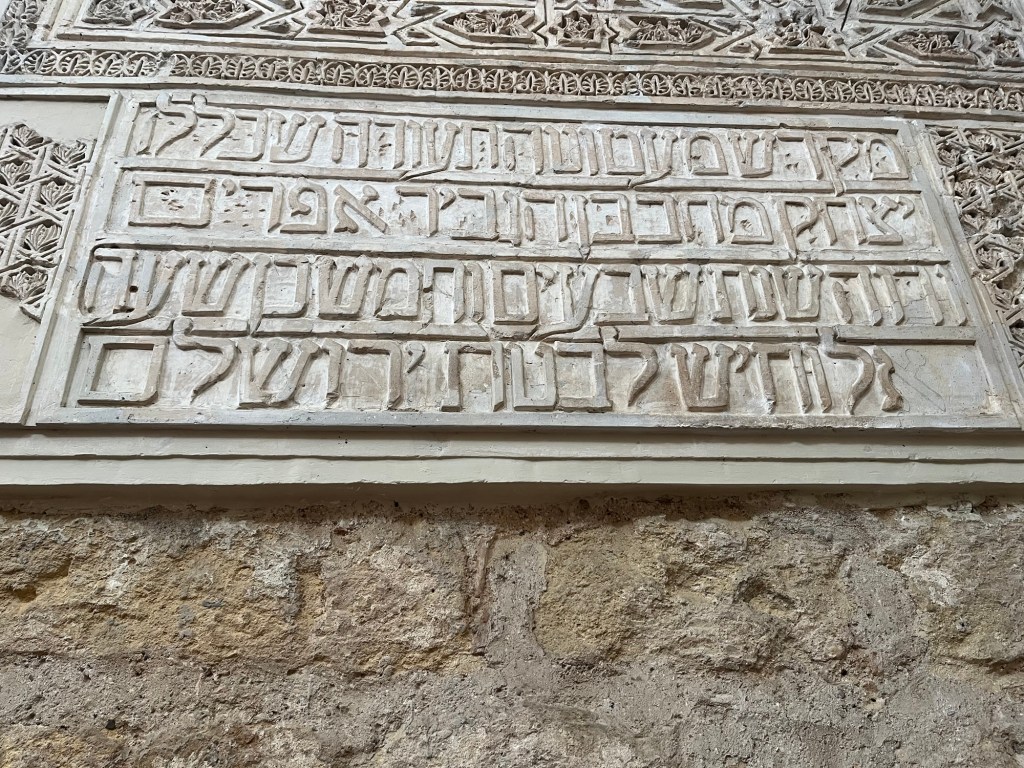
In the Jewish quarter, there is one of three remaining well-preserved medieval synagogues in Spain.  It was built in 1314 and has beautiful Moorish-style architecture and you can still clearly see the Hebrew engraving on the walls.  You can learn more about its history here.
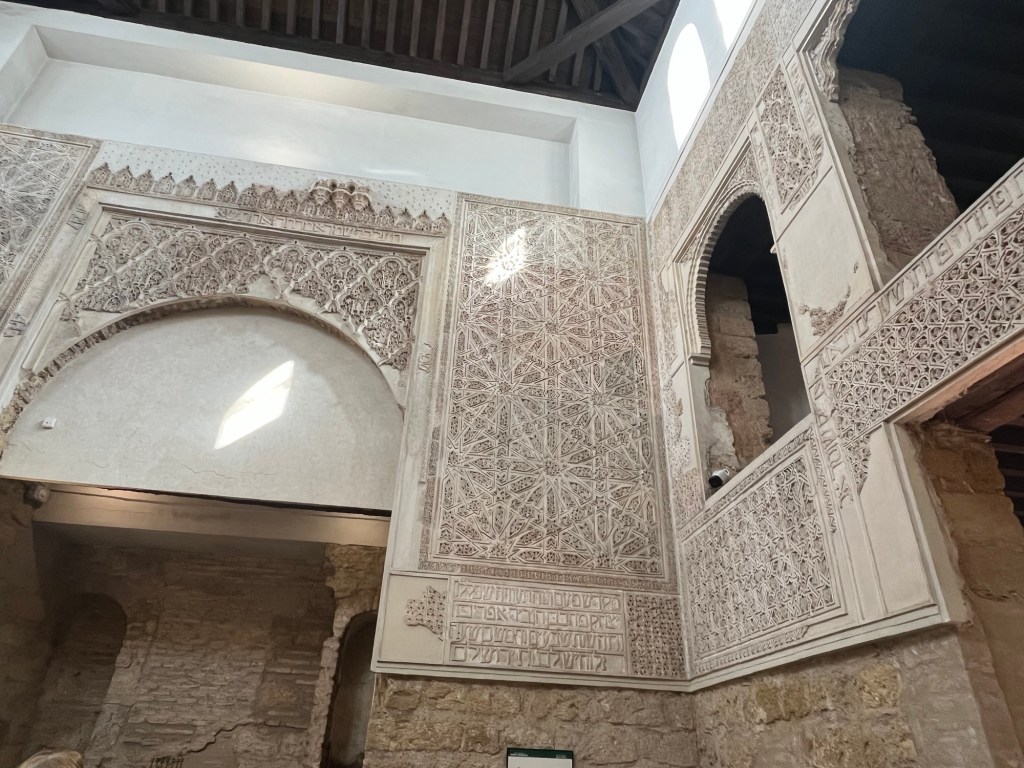
The Hebrew on the walls particularly caught my attention and spiritual energy.  The fact that I could read some of it really moved me.  Jewish history is so often erased.  Our connection to our ancestral homeland of Israel, where Hebrew comes from, is so often denied.  Yet here in Spain, many miles from our home, there stood a synagogue, over 700 years old, with engravings in the same language I pray in.  The same language I use to write to my Israeli friends on WhatsApp. Jewish history is real and the chain of our existence is unbroken by the conquerors of the day.  I’m grateful to Spanish activists like Red de Juderías de España who have preserved Jewish heritage for us to enjoy despite all the pain our people have endured in this country.
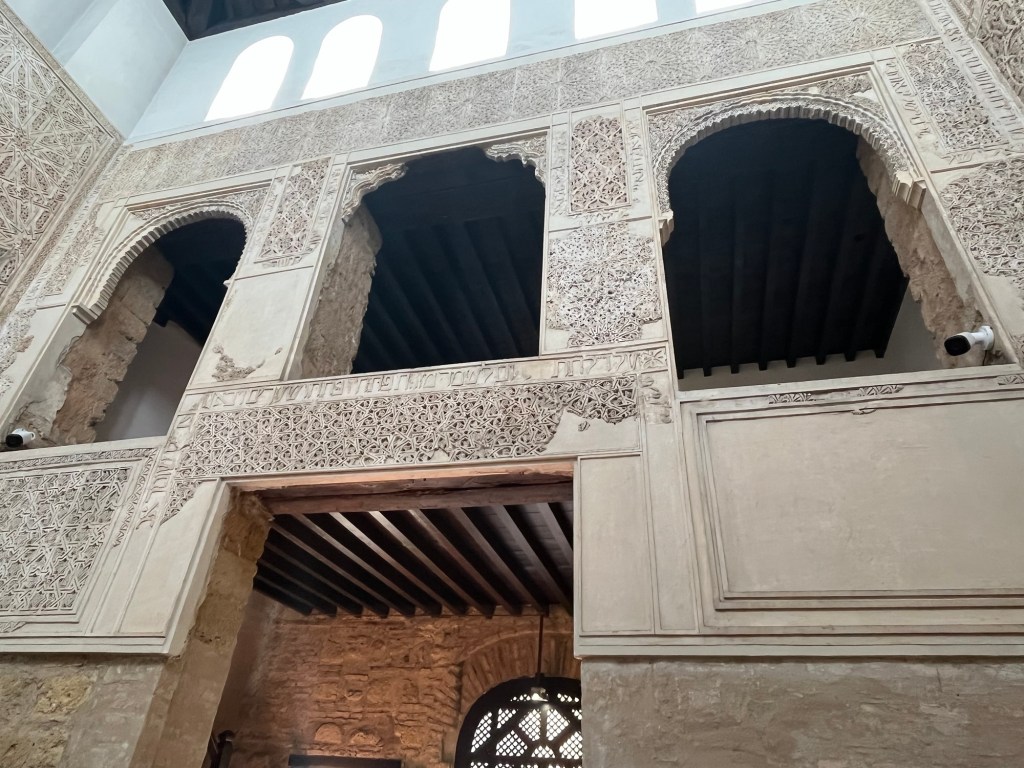
I also stopped by Casa de Sefarad, a Jewish history museum housed in a 14th century Jewish home with a lovely and friendly woman at the front desk who was very proud of the city’s connection to Maimonides.  It’s a beautiful museum and worth a visit.

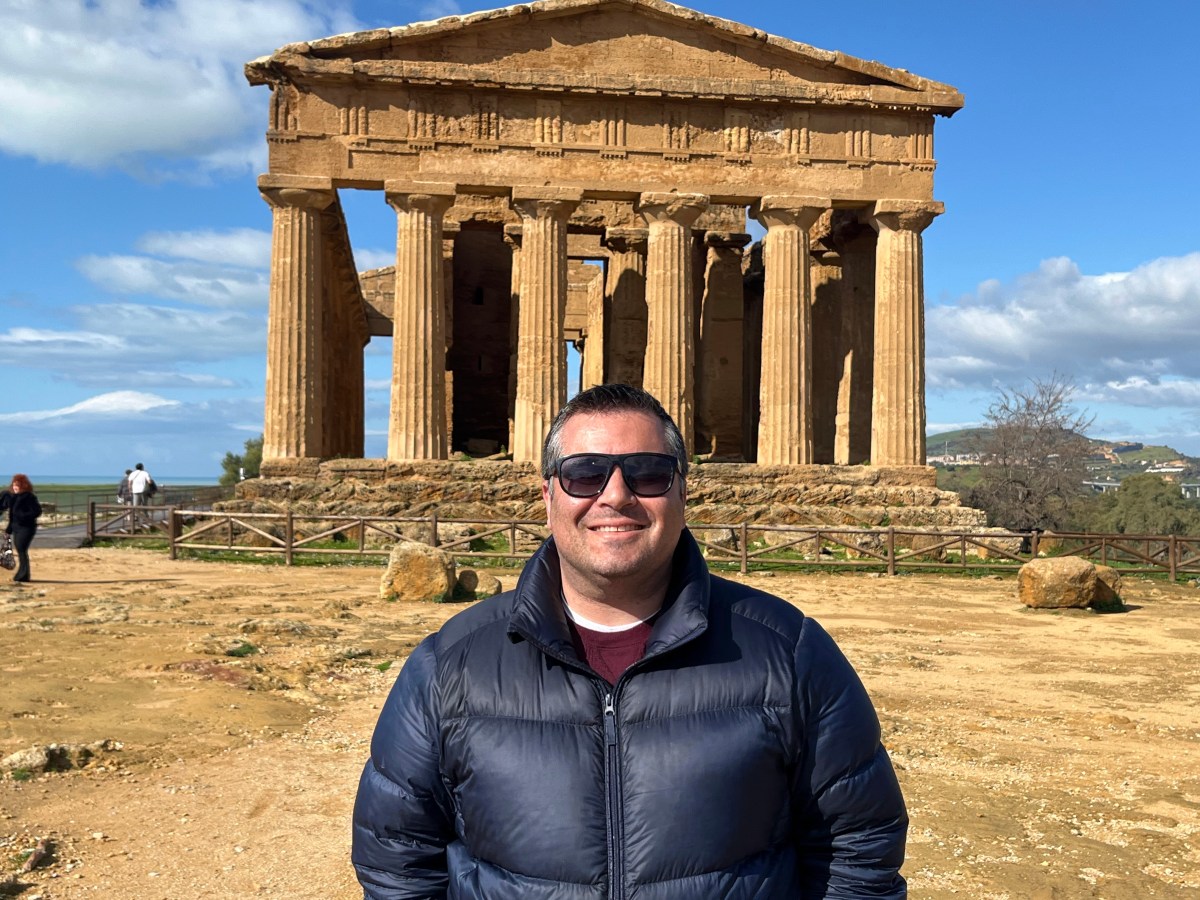
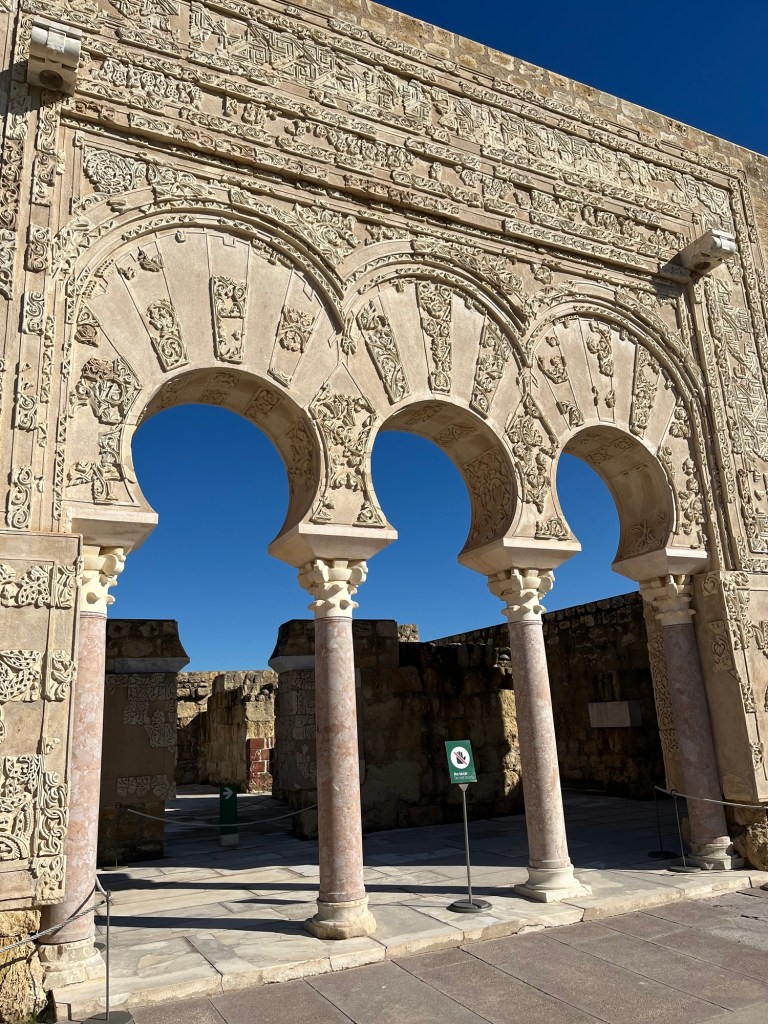
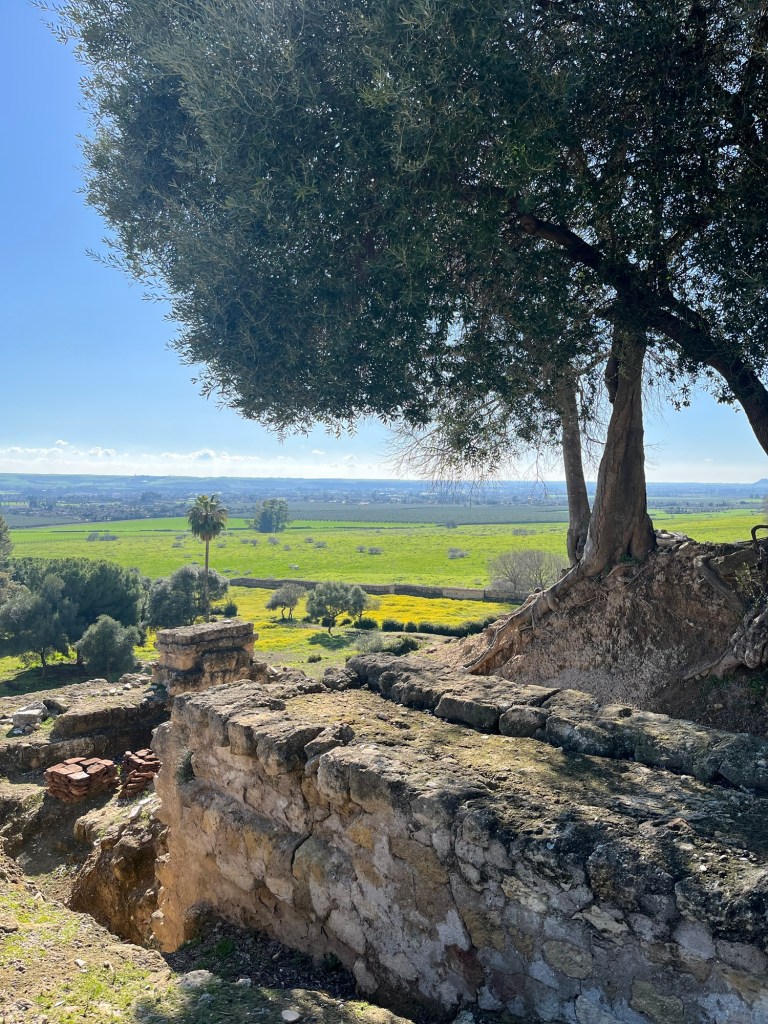
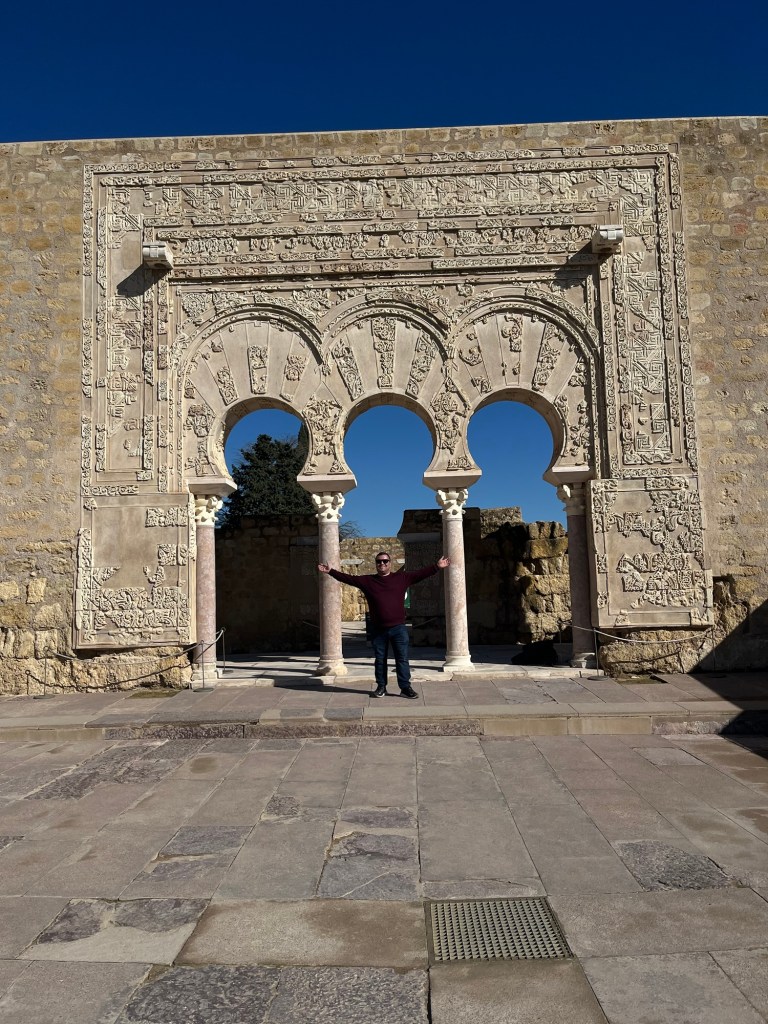
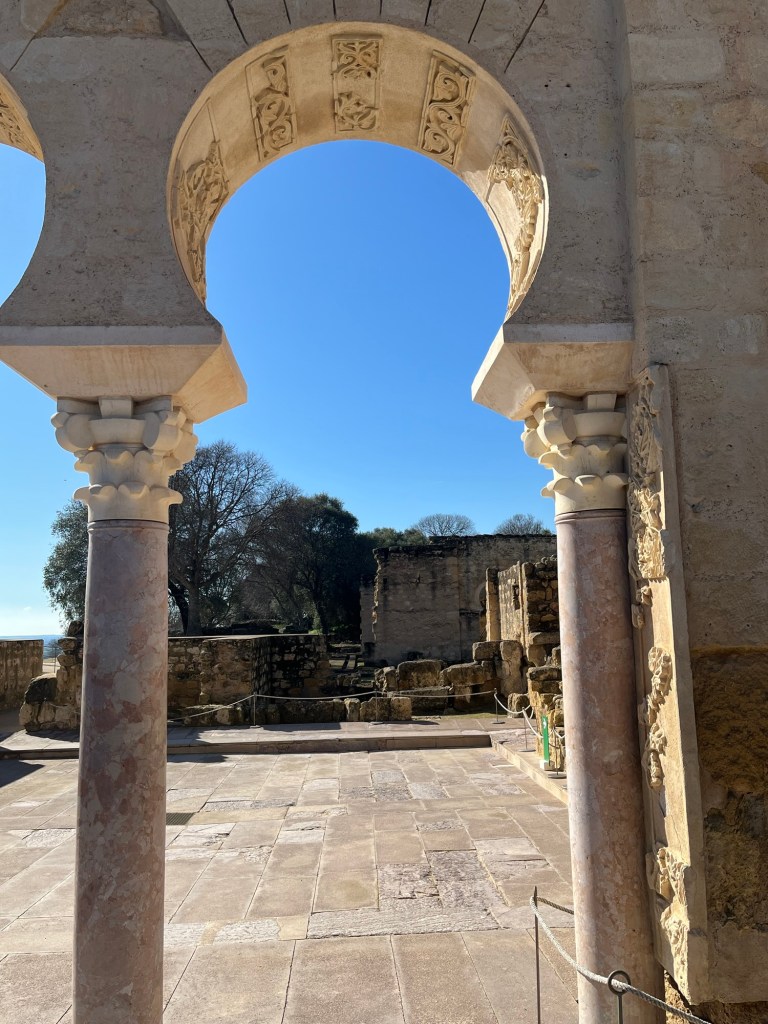
From the Jewish quarter, I decided to go a little outside Córdoba to Islamic ruins known as Medina Azahara.  These ruins date from the mid-10th century and are absolutely stunning.  This former city is now an archeological park and is set in a gorgeous rural area just a 15-minute drive outside of Córdoba.  If you have the chance, you must go.  You can still see archways and columns and elaborate Islamic architecture.  And far fewer crowds than the center of Córdoba.

It’s a place where you can really meditate on the meaning of these three cultures – Jewish, Islamic, and Christian – which have been, and in some cases continue to be, living in contention with each other.  But also influencing each other and at times even co-existing.  Whether it’s the Islamic arches in a Catholic cathedral, the Moorish décor surrounding Hebrew in a synagogue, or the Jewish scholars like Maimonides who crafted wisdom while living amongst these civilizations- one thing is clear.  We are interdependent.  And nothing, perhaps nowhere, shows that better than Córdoba.  So grab a salmorejo (feel free to hold the pork!) and enjoy this marvelous city of three cultures.

The difference between Israelis and Palestinians

Israelis and Palestinians share a lot in common. As do most human beings. We want a good life for our families, we want to put food on the table, we want to find a sense of purpose. We often find ourselves perplexed by the lack of control we have over events in our lives. Nowhere is that more true than the Middle East.

But what most western liberals fail to understand, that I do understand having traveled extensively in Israel and Palestine and being a fluent Arabic speaker, is that there are fundamental cultural differences between these two societies. Differences that are leading to continued conflict and distress.

Let’s start with some basic premises before we dive into this difficult topic. First, innocent people are suffering in Israel and Palestine and that makes me very sad. Second, the way out of this conflict is unclear and anyone who pretends to have a “magic solution” like “from the river to the sea, Palestine will be free” (i.e. genocide of Israelis) or “death to the Arabs” is full of shit. Erasing the “other” will only perpetuate conflict rather than resolve it. And third, some of the people I know with the strongest opinions about Israel and Palestine have never stepped foot there. And should be invited to listen and learn and, frankly, shut up if they have nothing constructive to say.

So what are some of the differences between Israelis and Palestinians? Israel is a much, much more diverse society than Palestinian society. Consisting of Jews from all over the world (including the dozen or so Muslim-majority countries that ethnically cleansed them in the 20th century), plus Druze, Arab Christians, Circassians, Arab Muslims, and non-Jewish refugees- it is a virtual melting pot of civilizations. Meanwhile, Palestinian society consists of an ever-increasing Muslim majority, with a dwindling Christian population consisting of 1 to 2.5% of the West Bank. Life is far from perfect for minorities in Israel, but it is a fundamentally more pluralistic and inclusive society, with non-Jews making up approximately 26.6% of the population, with full voting rights and citizenship.

Palestinians are also rabidly homophobic when compared to their Israeli neighbors. Only 5% of West Bank Palestinians support LGBTQ+ relationships according to a BBC poll. A year ago, a Palestinian gay man was beheaded in Hebron. Meanwhile, 61% of Israelis (and 68% of Israeli Jews) support equal rights for LGBTQ+ people. While right-wing politicians continue to attack the Israeli LGBTQ+ community, they represent a minority of the country and face intense pushback from Israeli civil society. There is next to no Palestinian civil society pushing for social acceptance for the queer community. Religious fundamentalism and a deep-seated conservatism define Palestinian society in a way that western liberals have trouble understanding – or at times even justify.

I could go on and on about the litany of differences, including the rights and roles of women, but I’d like to focus on the single most important difference between the two societies. Most Israeli Jews are prepared to accept a Palestinian state as part of a peace agreement. Only 24% of Palestinians accept the idea of an agreement with Israel, with even lower numbers in younger generations. The numbers vary according to how the question is phrased and no doubt the number of Israelis feeling in the mood to make a peace agreement after the horrific October 7th Hamas massacre is going to go down. But fundamentally, one society accepts the existence of the other, and the other doesn’t accept the existence of the former.

Most American liberals or progressives or whatever you’d like to call people on the left-end of the political spectrum that I’ve often called home- most of them have no clue how to process the idea of Palestinians’ cultural differences as an obstacle to peace and human rights. Not the only obstacle, but certainly a big one. When you see people waving pride flags at anti-Israel rallies in Europe and the U.S., you have to wonder how these people have deluded themselves. How, in a colonialist fashion, they have imposed an American understanding of race, sexuality, victimization, and oppression on two countries across the world with very complicated and significant cultural differences.

I’m not in any way suggesting that Palestinian human rights be disregarded because they are by-and-large ultraconservative, antisemitic, and homophobic. Two wrongs don’t make a right. The status quo cannot continue. All human beings deserve dignity and I’ve been incredibly outspoken (if you’ve followed this blog at all) in advocating for Palestinian and Arab-Israeli rights.

But the only way to make peace is to understand reality first. And until American and European liberals can wrap their heads around the cultural differences between Israeli and Palestinian societies, we will get nowhere. We will get more heated rhetoric and antisemitism. Out of both hatred and a lack of understanding of how this conflict continues to plague the region.

Jews and Israelis of all faiths have a right to protect themselves. Ourselves. If seeing Jews wield the power to protect themselves scares you or causes you concern, you are an antisemite. Until our neighbors, the Palestinians, are willing to accept the existence of Israel, this conflict will continue ad infinitum. And the day Palestinians come to the peace table in good faith, I’ll be the first in line to protest the Israeli government until it makes peace a reality. I eagerly await that day and hope one day, much like there is an Israeli peace movement, that there will be an equally large Palestinian one.

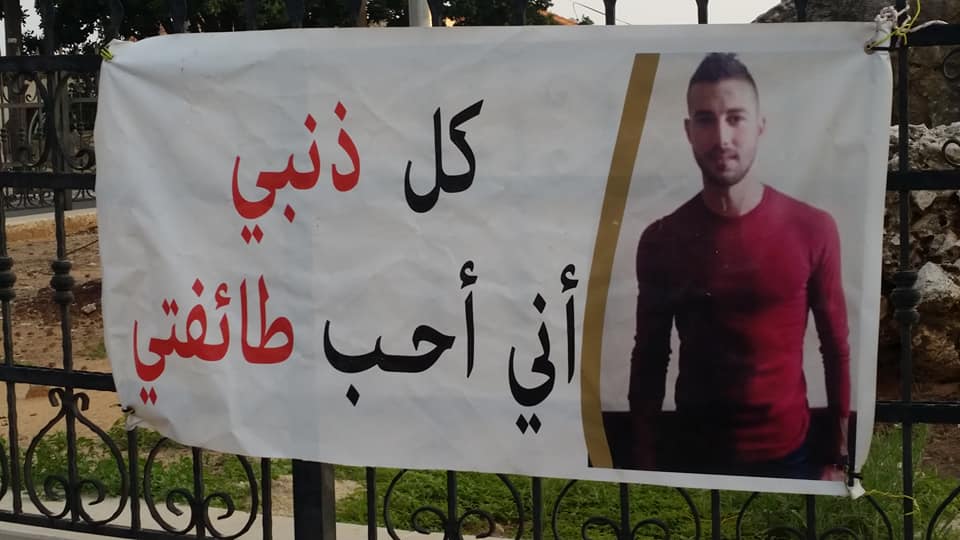
Until that day, we will protect ourselves. As my cover photo from a Druze village in the Galilee says in Arabic sarcastically: “it’s all my fault, I love my sect”. It’s all my fault. I love the Jewish and Israeli peoples and we will outlive all those near and far who wish us harm.

Feeling numb

When I was a kid, I was always the most talkative one in class. I had the best grades but the one thing my teachers would say to my mom at parent-teacher conferences was that I had to learn to raise my hand. Ever since, I’ve been speaking out – and writing – about what is important to me. And what was once a liability in the classroom has since become a skill and one that I’m proud to use to articulate my thoughts about life and the world around me.

Ever since the massive Hamas terrorist attack and pogrom on October 7, I’ve felt numb. And despite my usual verbosity, at times speechless. I’ve felt out of place and sad at friends’ parties, unable to find my inner joy. I’ve felt lonely as I watch acquaintances and friends – mostly not Jewish but occasionally Jewish – justify Hamas’s horrific attack. I feel as if I’m carrying a weight in my stomach as I watch a constant stream of victims’ faces scroll across my Facebook and Instagram. A very significant number of Israeli friends, although themselves “safe”, have lost loved ones to Hamas’s slaughter of innocent civilians.

First things first. I am incredibly sad and extend my deep condolences to my friends living in Israel who have lost loved ones and are coping with the most existential crisis in Israel’s history in the past fifty years. Who are stuck at home and bomb shelters as thousands of rockets whiz overhead. Who are scared and deserve better than to live in chaos and fear.

For me, while I am not in Israel, I feel this pain viscerally. I’ve spent time in many of the places attacked. I’ve met people there – some of whom may no longer be alive. My blog post cover photo is from Sderot, which has been battered to a pulp by Hamas attacks recently and has endured their terror tactics for over a decade. The reason I feel this attack so viscerally is not only because I’m a Jew, is not only because I’m Israeli, is not only because my friends are suffering. It’s also because I recognize that it could have been me kidnapped or killed. If the timing had been different, I could’ve been one of the civilians tortured or burnt alive. It could have been me.

When I visited Sderot a few years ago, I stopped by Kibbutz Nir Am across the street. At the time, Hamas was “only” sending over rockets and flaming kites to set fire to agricultural fields and parks. I encourage you to read the blog about my experience there and the kind people I met, including a father of a five-year-old. I hope they are ok. Nir Am is one of the kibbutzim that was attacked in the Hamas invasion.

One loss is a tragedy. Thousands is a statistic. But we must never lose sight of the 1,500+ Israeli lives lost in an utterly unnecessary and evil act by religious fanatics. Each and every innocent life lost is as if an entire world was lost. Friendships, partners, parents, children, community. Destroyed. Not to mention the hundreds of hostages kidnapped, raped, and abused by Hamas terrorists. It should go without saying, but I will say it anyways, that the Palestinians caught in the crossfire and oppressed by Hamas deserve safety too. And a government that represents their genuine interests for self-actualization and freedom, not murderous rampages against Israeli civilians. I mourn the losses of Palestinians as well and I hold Hamas accountable first and foremost for instigating this war resulting in these deaths.

Where to from here? I don’t know. Part of me wants vengeance. Part of me wants to crush Hamas (more justifiable than vengeance). Part of me wonders what the plan is for once Hamas is hopefully defeated. Part of me wonders if Hezbollah and Iran will strike at Israel from the north, my very favorite part of Israel. Part of me wonders if non-Jewish Israelis who’ve been killed and kidnapped are also getting their airtime they deserve. Clearly this was an attack on the Jewish people and Jews in and outside Israel are more vulnerable to antisemitism and violence than in a very long time. This was the single worst single-day attack on Jews since the Holocaust. And Hamas is also holding non-Jewish Thai people captive, for example. Hamas terrorists are simply fanatics who will stop at nothing to kill, kill, kill.

Part of me experiences this death and destruction as an Israeli. And part of me experiences it as an American Jew who lives next to a synagogue which now has multiple police cars outside for protection. Within whose doors my friend works at a preschool every day. As Hamas calls for global jihad. And progressive American voices who are usually our allies stay silent or, worse, allow their latent antisemitism to seep through. I get nervous every time I walk by the synagogue. What if the jihad comes here? Will that be enough for my fellow American progressives to speak out for our lives?

Why is it so hard for people to realize that it is possible to be pro-Palestinian and not justify Hamas’s actions? One friend (now former friend) claimed that what Hamas did wasn’t terrorism, it was an an act of anti-colonial resistance. Putting aside the fact that Jews are not colonizers in their own historic homeland and that they don’t control the Gaza Strip, when did Mahatma Gandhi ever sanction raping and burning British women alive? How sick some people are. It makes me feel unsafe and angry.

As I write this blog, I am giving myself permission to feel. To let the numbness fade and to find my words. Much as I did as a little kid. Yet I don’t particularly care to wait politely and raise my hand this time. Sorry Mrs. Kyle.

I live now as a bold, liberated Jew and a compassionate human being. Hamas is trash. They are the ISIS of Palestinian politics and do not represent all Palestinians. I continue to believe in freedom for Palestinians and I wish for the destruction and eradication of the Hamas movement which terrorizes their lives as well.

To my fellow Jews heaping criticism on Israelis right now, take a step back and recognize your privilege. We are lucky to live in the United States where we haven’t known war on our shores of this kind for a very, very long time. The closest thing was 9/11 and that was 30 times smaller in proportion compared to what Israel is experiencing right now in terms of casualties. We have a right to speak out and even to disagree among ourselves, but show some sensitivity to people whose lives are marked by traumas we couldn’t even imagine.

It is 12:19am and I needed to write this blog because I’ve been holding these thoughts inside me and haven’t been able to sleep well in a week and a half. Here’s to hoping this helps.

To my friends across the ocean, Israeli and Palestinian, who are struggling – I love you. All I can offer are my words but I mean each and every one. May we find a route to peace, to justice, to safety. And soon. Inshallah. God willing.

A Haggadah of Hope

It’s not hard to be disenchanted with Israeli politics these days. While most of the world has been focused on Benjamin Netanyahu’s anti-democratic “judicial reform”, his same government has also been engaging in racist incitement and encouraging violence against Palestinians. The pogrom in Huwara is only possible because of a government that cares nothing for the lives of its Palestinian neighbors and who views its own Arab citizens as a threat. With a new militia promised to radical racist cabinet member Itamar Ben-Gvir, we may only be steps away from even more confrontation and death.

In such dark moments, we must not find the light – we must be it. For me, that means digging through my books. It means finding some knowledge, some history, some inspiration for how we can overcome such horrible things.

I found just the book!

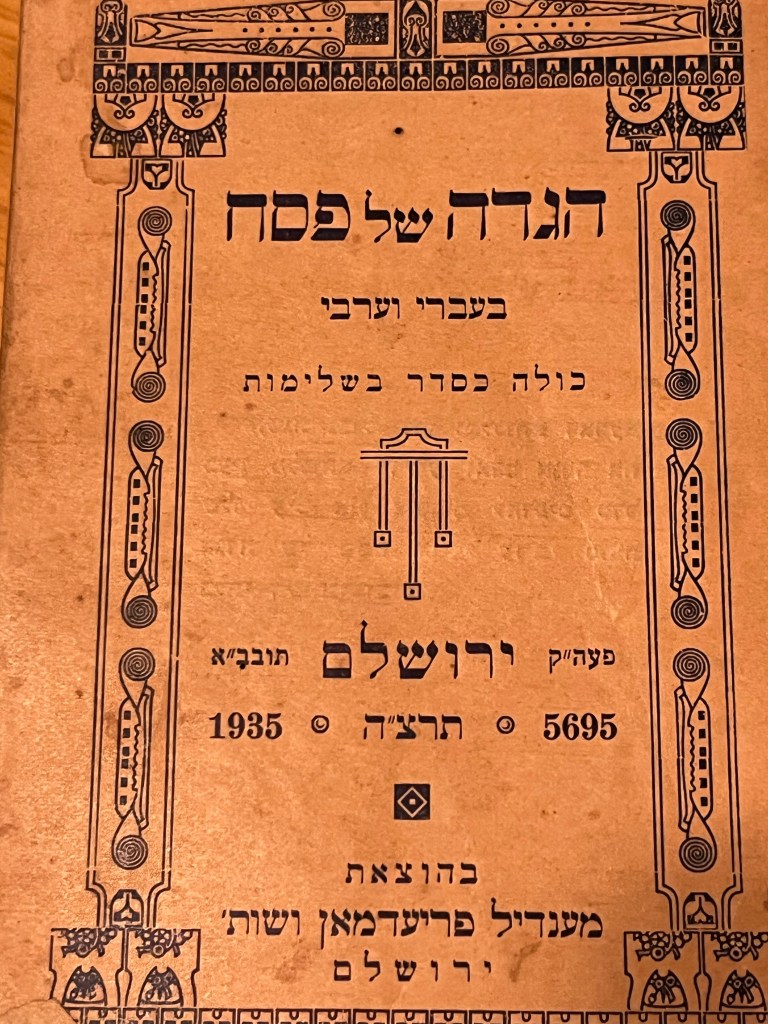
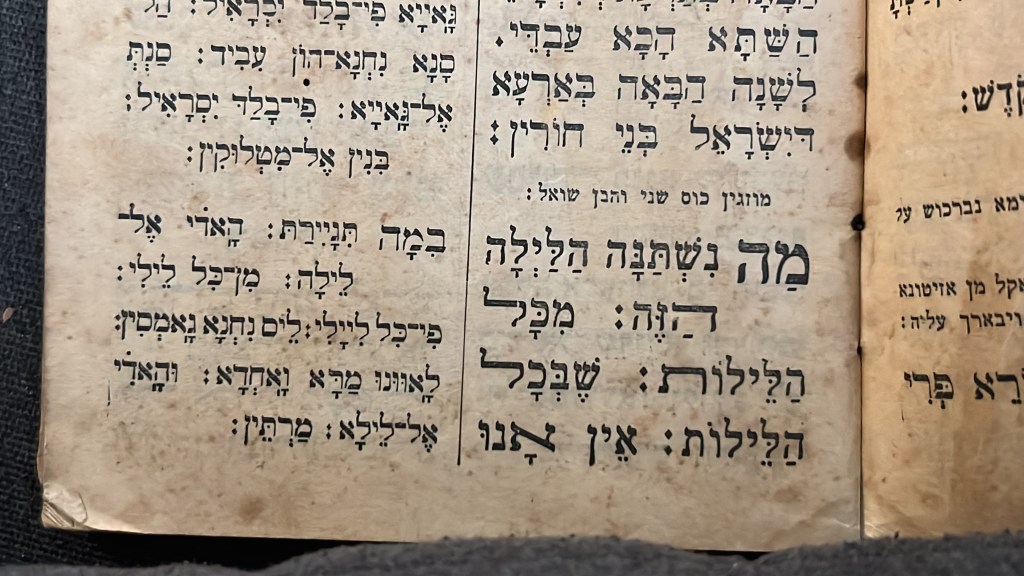
Digging through my bookshelves, I found a 1935 Haggadah, or Passover prayer book, from Jerusalem. But it was not any old Haggadah, it was a bilingual Hebrew-Arabic book – with the Arabic written in Hebrew characters.

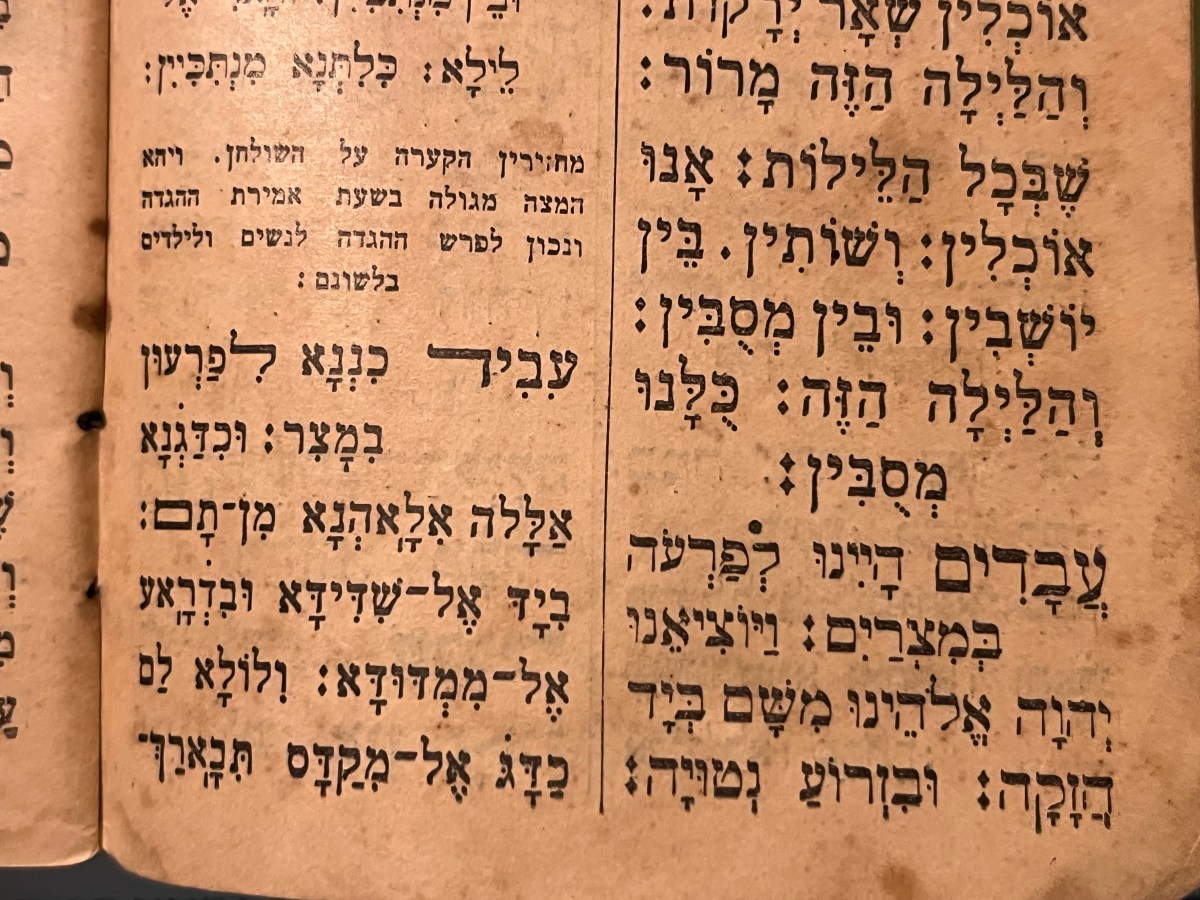
It remains a mystery to me as to why this Haggadah was published in both languages! Not because there is no reason for it to be – but rather many! First things first – this was published by an Ashkenazi printer – Mendl Friedman. So the printer was unlikely to be a native Arabic speaker, like some of the Jews who had been living in Jerusalem for centuries before the establishment of the State of Israel in 1948. Also, the Arabic inside the the Haggadah seems to be Levantine, though it’s a bit unclear at times and there seem to be a few inconsistencies. For example, in the Four Questions, the writer may have made a grammatical error (or I’m a bit rusty!), by first translating the Hebrew “leylot” (nights) as “leyli” (night as an adjective) instead of “liyali” (nights) before later switching back to “liyali”:

These inconsistencies make me think it was probably not a native speaker doing the translation, although I can’t be sure. In any case, we may never know whether this was an attempt to write in Judeo-Arabic, an attempt by Ashkenazi Jews to fit in their local environment, or the off chance that a Zionist organization wanted to promote integration into the local Palestinian culture (as some of them initially supported). Although the latter seems unlikely since the most pro-Arab Zionist movements tended to be extremely secular and were not likely to be publishing a religious text. If anyone reading this blog has insight into the who, what, when, where, why of this book, please share it with me.

So what does this have to do with today? In short, I am inspired by the publisher’s attempt to integrate Jewish and Arab cultures by way of language. Without knowing the intended audience, I can still say that publishing a sacred Jewish text in Arabic is a statement – especially in the conflict-ridden years leading up to Israel’s founding. I am moved by it and hope we will find many more ways to connect across cultures using language and our sacred texts as a point of commonality rather than conflict.

This Passover, Benjamin Netanyahu will probably be spouting off racist bullshit with his equally crazy family in a comfortable home rather than a jail cell where he belongs. However, we can be comforted by the past and inspired to act in the future. Jews and Arabs have not always been at each other’s throats. In 1935 an Ashkenazi Jew published a Passover Haggadah in Hebrew and Arabic. He probably couldn’t have imagined it would end up in a gay American-Israeli Jew’s hands, but that is the magic of history in action.

May this holiday bring more joy to the world. May it bring freedom. May it give us the courage to confront our modern-day autocratic Pharoahs in America, Israel, Russia, Turkey, Hungary, China, and more. For these Pharoahs sit in temporary comfort – justice will come. Avadim hayyinu – we were once slaves, and we will not stop fighting until we are all free. Chag pesach sameach, Happy Passover, and Ramadan Karim.

להציל את היהדות

מזמן לא כתבתי בעברית. כנראה שאכתוב עם מלא טעויות. אבל אני מרגיש שכדאי לכתוב. כדאי לפרש את הרגשות שלי ברגע כל כך רגיש בהיסטוריה של עם ישראל ומדינת ישראל. הרבה אנשים שקוראים את הבלוג שלי יודעים שאחרי כמה שנים בארץ, אני חזרתי לארצות הברית, איפה שגדלתי. התכוונתי לחזור לארץ ללימודים בבית המדרש של הרבנות הרפורמית. אבל לא מעט זמן אחרי שחזרתי לארה”ב, אמא שלי חלתה בסרטן. אז הייתה מגפת הקוביד. אז נפטר אבא החורג שלי. ותוך קצת זמן, אמא שלי גם תלך לועלמה. בקיצור, הרבה דברים קשוחים התרחשו בחיי ופתאום לחזור לארץ לא הייתה בחירה הגיונית. לפחות כרגע.

אבל למרות שאני נמצא רחוק מהארץ פיזית, אני חושב עליה כל יום. אני מתגעגע לחברים שלי שם ואני מודאג מאוד לגבי המצב הפוליטי. לצערי, כאמריקאי, אני מכיר את הפאשיזם באופן מאוד אישי. אני גר בוושינגטון די סי. הייתי פה כאשר דונלד טראמפ השתדל לגנוב את הבחירות וכאשר הוא הסית נגד אזרחיו ב6 לינואר. הייתה תקופה מאוד מפחידה.

עד ה6 לינואר, הרבה חברים שלי בארץ או התלהבו מטראמפ או לא הבינו למה אמריקאים מבחינות פוליטיות שונות לא היו יכולים “להסתדר”. כלומר, אנחנו פשוט לא ידענו איך לדבר אחר עם השני. אבל אחרי ה6 לינואר, הרבה חברים שלי סוף-סוך הבינו שזה לא היה עניין פשוט ובעצם זה היה משבר פוליטי שחווינו בקפיטול.

לצערי הרב, כל ישראלי שפוי עכשיו מבין מה שקרה בארה”ב לאחרונה. שיש בשתי המדינות תנועות פוליטיות שרוצות להרוס. שרוצות לדכא מיעוטים, למחוק את “האחר”. זאת תנועה פוליטית בינלאומית- מרוסיה להונגריה, מארה”ב לאיראן, וכן לישראל.

מהנסיון שלי בארה”ב, אני רק יכול להדגיש כמה זה חשוב להמשיך להפגין ולתמוך בתנועות פולטיות שהן בעד הדמוקרטיה לכולםן. גם כן לפלסטינאים.

אין עתיד למדינת ישראל בלי דמוקרטיה. ואין דמוקרטיה בלי חרות לכל תושבי ישראל ופלסטין.

בסוף, כמו כל דבר במדינה היהודית, זה עניין של איזה סוג של יהדות תהיה חזקה יותר בישראל. ברור שצריך להיות מקום לגיוון- גם ליהדות השמרנית שאני לא מאמנין בה. אבל- בואו נגיד את זה בצורה ברורה- אנחנו רוצים עתיד של איסור חמץ בבתי חולים או אנחנו רוצים עתיד של יהדות שוויונית?

ליבי במזרח. לכל המפגינות והמפגינית האמיצים- תודה. אני איתכם בלב ואני אמשיך לדבר עם הממשלה שלי בארה”ב כדי לשכנע אותה להשתמש בכח שלה לשמור על הזכויות שלכם. כי בעצם, למרות שאנחנו רחוקים פיזית, האינטרסים שלנו דומים מאוד. אנחנו חייבים לתמוך אחד בשני בשוויון.

אני הפכתי אולי פחות דתי אחרי כל המוות והטרגדיות במשפחה שלי ובחברה שלי בשנים האחרונות. אבל אני כן מאמין שהגורל שלנו הוא משותף. ואף פעם לא אוותר על הקשר בינינו והחלום של שלום, של דמוקרטיה, ושל יהדיות שמייצגת את הערכים שלנו. מתגעגע המון- שנתראה בקרוב בע”ה עם חיוכים של הצלחה של המאבק.

Democracy Now

Israeli democracy has never been perfect. No democracy is perfect. Embroiled in over 70 years of conflict with its neighbors, the State of Israel has often taken antidemocratic steps. Occupying the West Bank and its over three million Palestinian residents is certainly antidemocratic. And fortunately, there are many Israelis who agree with me that that must ultimately change. As of now, Israelis advocating for peace and for an end to the Occupation have democratic protections. Protections Palestinians only wish they had – be they from Israel or their own Palestinian Authority.

A while ago, I read a quote from a Palestinian who said that the thing he admired most about Israel was that, at least for its own citizens, there was democracy. Acknowledging that he couldn’t benefit from it didn’t stop him from gazing towards Tel Aviv and the beaches and the freedom and the dozen plus political parties (including Arab ones) and saying “wow, I wish I had this too.”

That fragile democracy that is granted to Israel’s citizens, first and foremost to its Jewish citizens but also to a degree its Palestinian-Israeli citizens, was once something to admire. In a region of the world plagued by religious extremism, Israel stood out as a mostly secular and reasonably liberal place depending on where in the country you lived. Much like how things can really vary by place politically in the U.S., but you are guaranteed certain fundamental rights that other countries in the world sometimes lack.

This fragile democracy, which allowed me to participate in countless demonstrations for LGBTQ+ rights, for Palestinian rights, for Druze and other minorities – that democracy is failing right now. It is under threat from within. And that threat is named Benjamin Netanyahu, flanked by homophobic and racist politicians such as Itamar Ben-Gvir and Bezalel Smotrich. Much like American democracy was (is?) under threat from right-wing extremists such as Donald Trump, Israel is facing a similar January 6th-type moment.

What is this threat? It has several faces. First off, there is Benjamin Netanyahu’s “judicial overhaul” which seeks to neuter the Supreme Court and save his own ass from his ongoing bribery investigation. Secondly, there are rabidly anti-Palestinian policies bubbling beneath the surface, as Itamar Ben-Gvir seeks ever greater control over the security apparatus in the West Bank. Thirdly, there is the issue of religious coercion. This coercion ranges from anti-LGBTQ+ policies to shutting down construction work on Shabbat, the Jewish Sabbath. It even includes a bill that would criminalize the entry of leavened products into hospitals during Passover, when such food is not traditionally eaten by Jews. It is a slap in the face of non-Jewish patients and families and Jews who may not be Orthodox in their observance.

How does one confront such authoritarian impulses? Israel is not unique in facing this challenge. I live in Washington, D.C. and was here for January 6th when right-wing terrorists attacked our own Capitol with the blessing of our former President. Countries like Poland, Hungary, India, Turkey, and others have seen a surge in authoritarian policies over the past few years.

In the U.S., the (lower-case d) democratic forces managed to unite moderates and progressives and even the occasional conservative to fight back on the streets and at the ballot box. It is thanks to the efforts of this coalition, particularly minority voters, that the Democratic Party had its best midterm elections in decades.

In Israel, this same demographic is fighting back- and hard. And I’m proud of my friends who’ve been demonstrating across the ocean. Hundreds of thousands of Israelis have taken to the streets to make their voices heard- for democracy, for change, for rule of law, for minority communities.

Well, not so much for minority communities. Palestinians and Palestinian citizens of Israel are under threat like never before. Israeli moderates and progressives are taking to the streets to protect their democracy. But rarely if ever have we heard from their most prominent leaders, Yair Lapid and Benny Gantz, about the racist threat to Israeli democracy. Of course the judiciary is important – and it can be a bulwark for non-Jewish communities as well. But the protest leaders have yet to address the intersection of their cause with that of the millions of Palestinians facing the prospect of ever-greater discrimination and violence from this government.

While some on the Israeli left have continually advocated for an inclusive vision of Israeli democracy that includes the rights of Palestinians, the center of the political map has yet to address this “Black Lives Matter”-esque issue. And by that I mean the crucial understanding of how minority rights intersect with the fight for democracy- for all.

In other words, because minorities don’t have a seat at the table in this protest for democracy, it will likely fail. I hate to write that – especially about a country I so love and want to see succeed. But until Palestinians- both citizens of Israel and those living across the Green Line– have a voice in this movement, it will be incomplete and not strong enough to take on the ferocious right-wing government threatening us all.

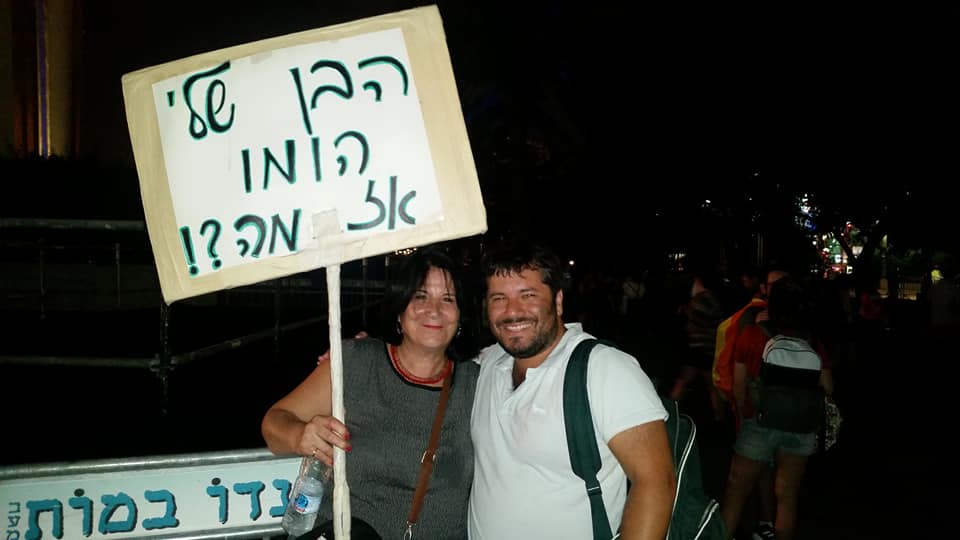
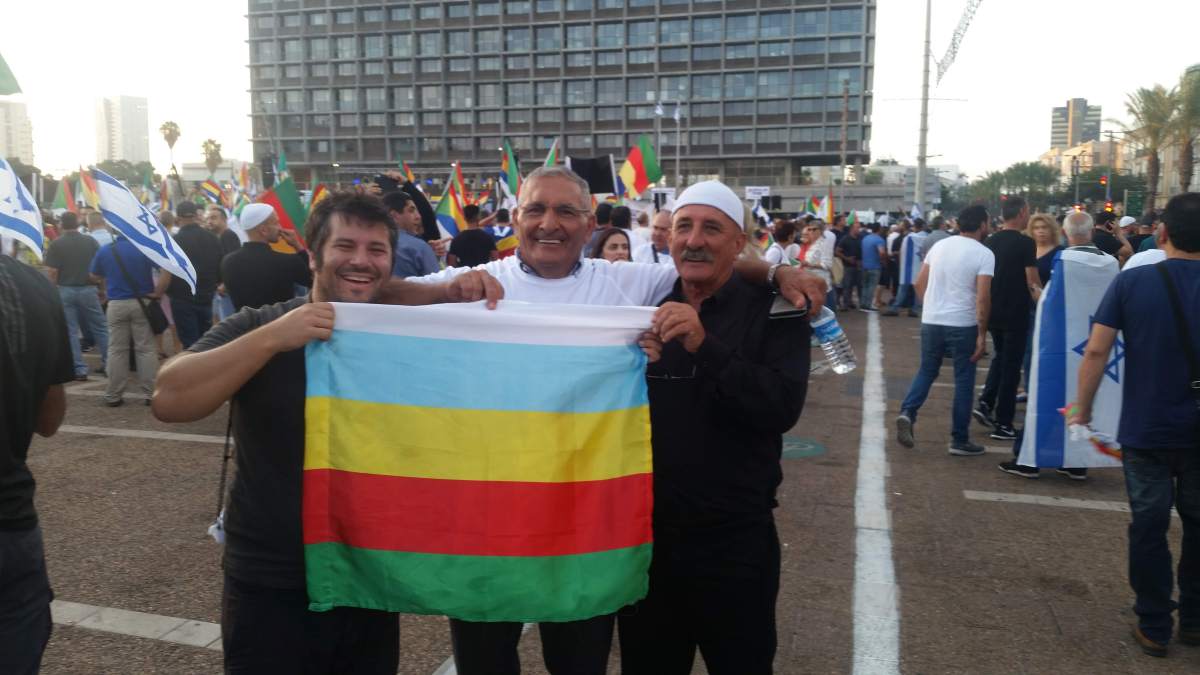
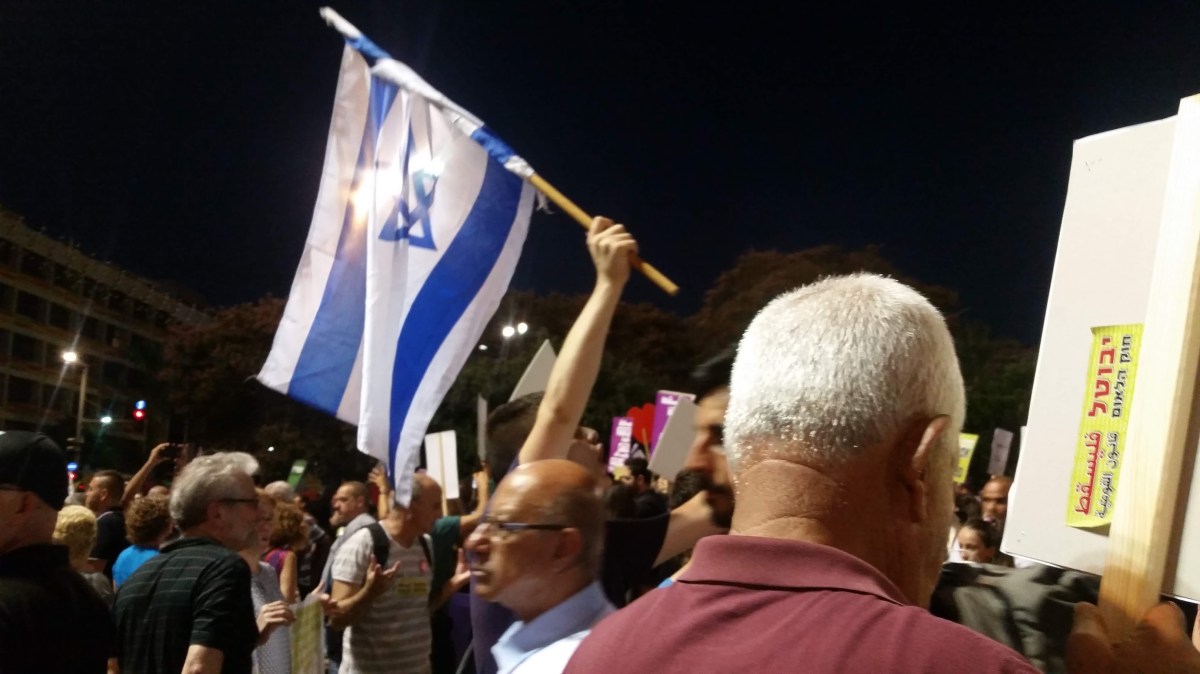
The photo I used for this blog is of me and two Druze friends of mine protesting for minority rights in Tel Aviv in August of 2018. It was a time when we fought for a shared future together. It was a time when Jews and non-Jews came together for democracy. It is possible. It is doable. It has been done before. It must be done now.

Im tirtzu eyn zo agadah. If you will it, it is not a dream. In the holiest of lands, hope must rise.

When the sh*t hits the fan

This past week has been one of those crazy weeks you never forget. My step-dad has spent the week in the ICU due to two blood clots and after going into cardiac arrest. My mom, who is on her newest round of chemotherapy, is taking care of him. I’m just trying to keep my head above water. Trying to enjoy life’s little moments and joys to distract me. With some degree of success. Thank you to all my friends who’ve been there for me this week and are helping me get through this.

This week, the insanity of my life seemed to parallel that of Israel’s.

Just as my world seemed to be spinning, Israel voted in one of the most right-wing, ultra-religious governments in its history. As an Israeli citizen, I’m embarrassed to see the rise of fundamentalism in my other homeland. It just goes to show that what we’re seeing in the U.S. and Europe is spreading to other countries as well. We must rise or fall together. This is the moment for people who care about the future of Israel – and its Palestinian neighbors – to speak out for democracy.

Faced with adversity in Israel and my own home front, I’m faced with a choice. I could pray, I could sway, I could wait for others to act in my place.

I will do no such thing. First of all, I will be there for my immediate family. Secondly, I will be there for myself – allowing for moments of relief and even joy as I step away from the trauma I’m dealing with. I want to live my life, which is what my step-dad would want even as he struggles for his own.

And when it comes to my brethren across the ocean – Arab citizens of Israel, Palestinians, and Israeli Jews and Druze – I will step it up for you. As LGBTQ+ and Reform rights are also under attack, I will not sit by silently. The Israel and Palestine we want to build is possible. And we will not give up. Please consider a donation to Standing Together, my favorite Jewish-Arab activist organization, to promote solidarity and peace.

One of the things I learned while living in Israel was the power of embracing life and its fulfillment even in the darkest of moments. That’s why you’ll find Israelis partying on the beach as rockets fall down. It’s an extreme example, but a real one.

So as the rockets metaphorically fall on my own family and on Israel’s democracy, I will fight, but I will also dance. I will push when needed, rest my body to rejuvenate for the long haul, and I will enjoy the people and love that I get to experience each day.

Because as my cover photo from Majdal Shams says in Hebrew and Arabic: “Why not?” Hope lives, always.